A bad-credit auto loan remains one of the most expensive ways to get behind the wheel, but it can still be a path to rebuilding a credit score when conventional lenders say no. For borrowers shut out by prime-rate financing, the math now hinges on whether they can handle higher monthly payments in an environment where the Federal Reserve’s policy rate sits near 3.9% and two-year Treasury yields are around 4.6%.
Subprime Auto Loans Pressure Ally, Capital One, Synchrony
That matters because auto lending is one of the clearest pressure points in household balance sheets. Elevated borrowing costs raise the hurdle for subprime borrowers already dealing with weaker credit profiles, while lenders face a tougher tradeoff between growth and charge-off risk.
Sentiment Indicators
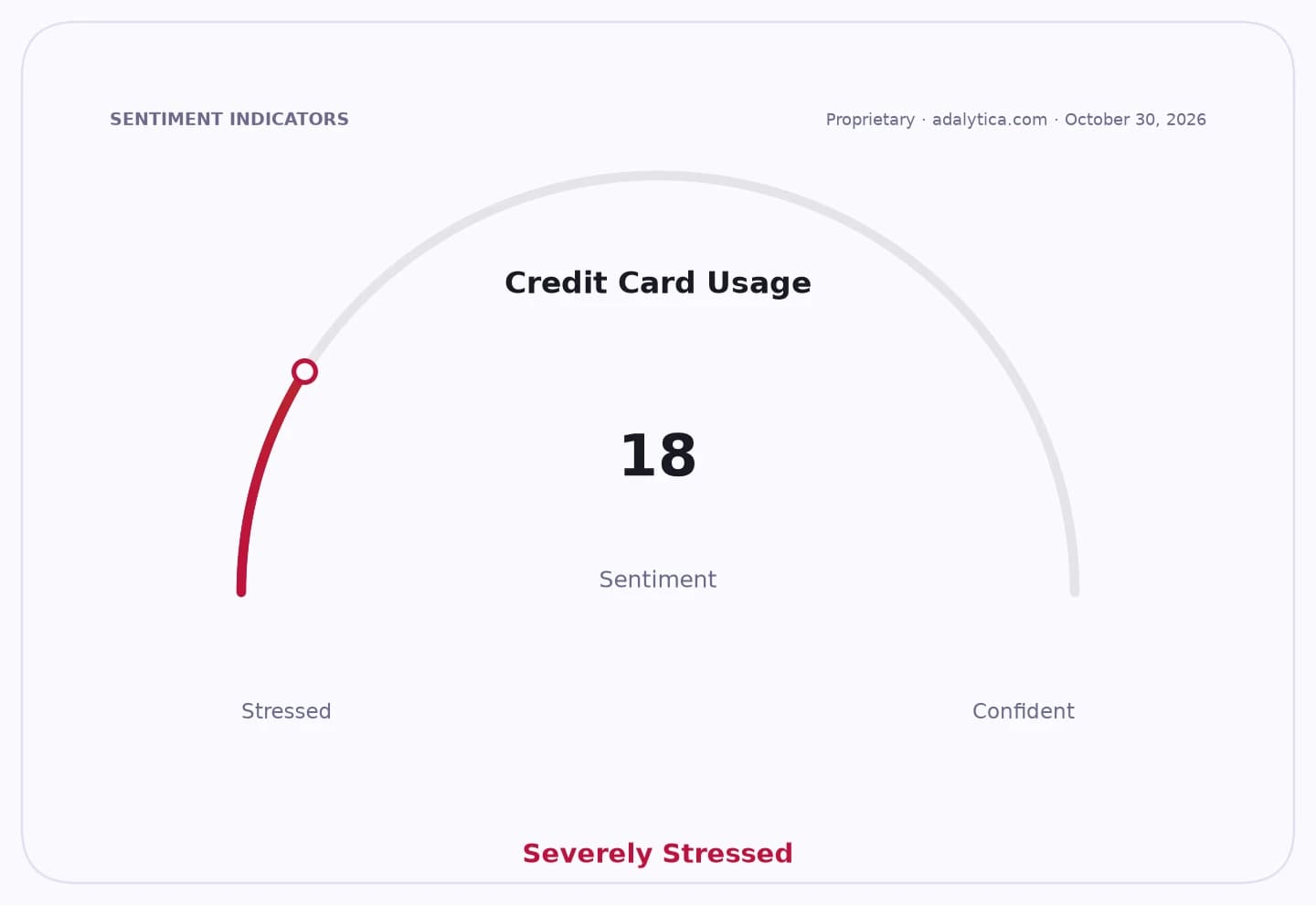
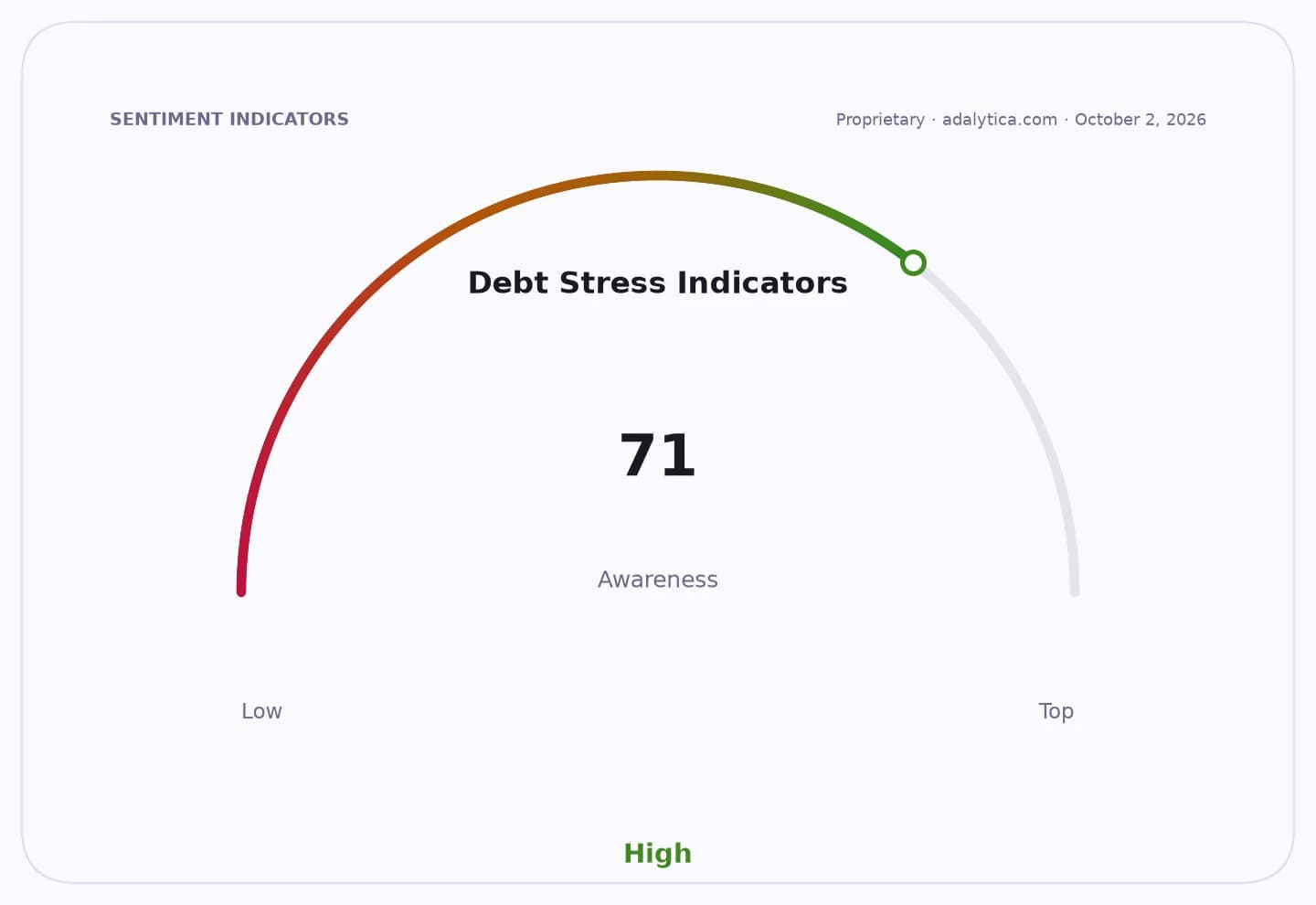
The broader credit backdrop is mixed. U.S. unemployment is forecast near 4.1%, suggesting a labor market that is still holding up, but household debt stress remains elevated in Adalytica’s gauge, which shows extreme fear on awareness and a high stress reading. That combination usually supports demand for credit repair products, yet it also makes lenders more selective, especially on used-car loans where collateral values can move quickly.
For issuers such as Ally Financial, Capital One and Synchrony Financial, the story is less about volume and more about underwriting discipline. Ally’s shares were last at $38.57, below its 200-day moving average of $41.14, while Capital One closed at $203.05 after trading as low as $202.04 on Friday, and Synchrony ended at $74.56. Those levels suggest investors are still pricing in pressure on consumer credit, even as the companies’ recent trading shows some stabilization after earlier volatility.
The investor angle is straightforward: subprime auto lending can generate attractive yields, but only if delinquencies stay contained and recoveries hold up. Capital One’s latest filing said it closely monitors delinquency rates across consumer credit portfolios, while Synchrony said reserve trends have improved alongside asset quality and macro expectations. That means any pickup in borrower stress could quickly feed into provisions, margins and capital returns.
For borrowers, the pitch of a bad-credit auto loan is not that it is cheap, but that it can create a payment history that helps rebuild credit over time. For lenders, it is a test of pricing power in a market where funding costs remain elevated and consumers are still stretched.
The key catalyst ahead is whether rates ease enough to improve affordability without triggering a fresh wave of credit demand from riskier borrowers. If financing costs stay high, the subprime auto market is likely to remain a costly credit-repair tool rather than a broad source of relief.
| Entity | Gains | Losses |
|---|---|---|
| Subprime borrowers | ▲Access to financing | ▼Higher monthly payments |
| Ally Financial, Capital One, Synchrony | ▲Loan yield | ▼Credit losses risk |
| Used-car lenders | ▲Demand from excluded buyers | ▼Tighter underwriting |
| Credit repair borrowers who pay on time | ▲Better credit history | ▼Interest expense |