Sulfur’s latest slide is forcing sulfuric acid prices to reprice, with the market now moving from a smelter-led structure toward one anchored again by brimstone costs.
Sulfur Price Drop Pushes China Sulfuric Acid Lower
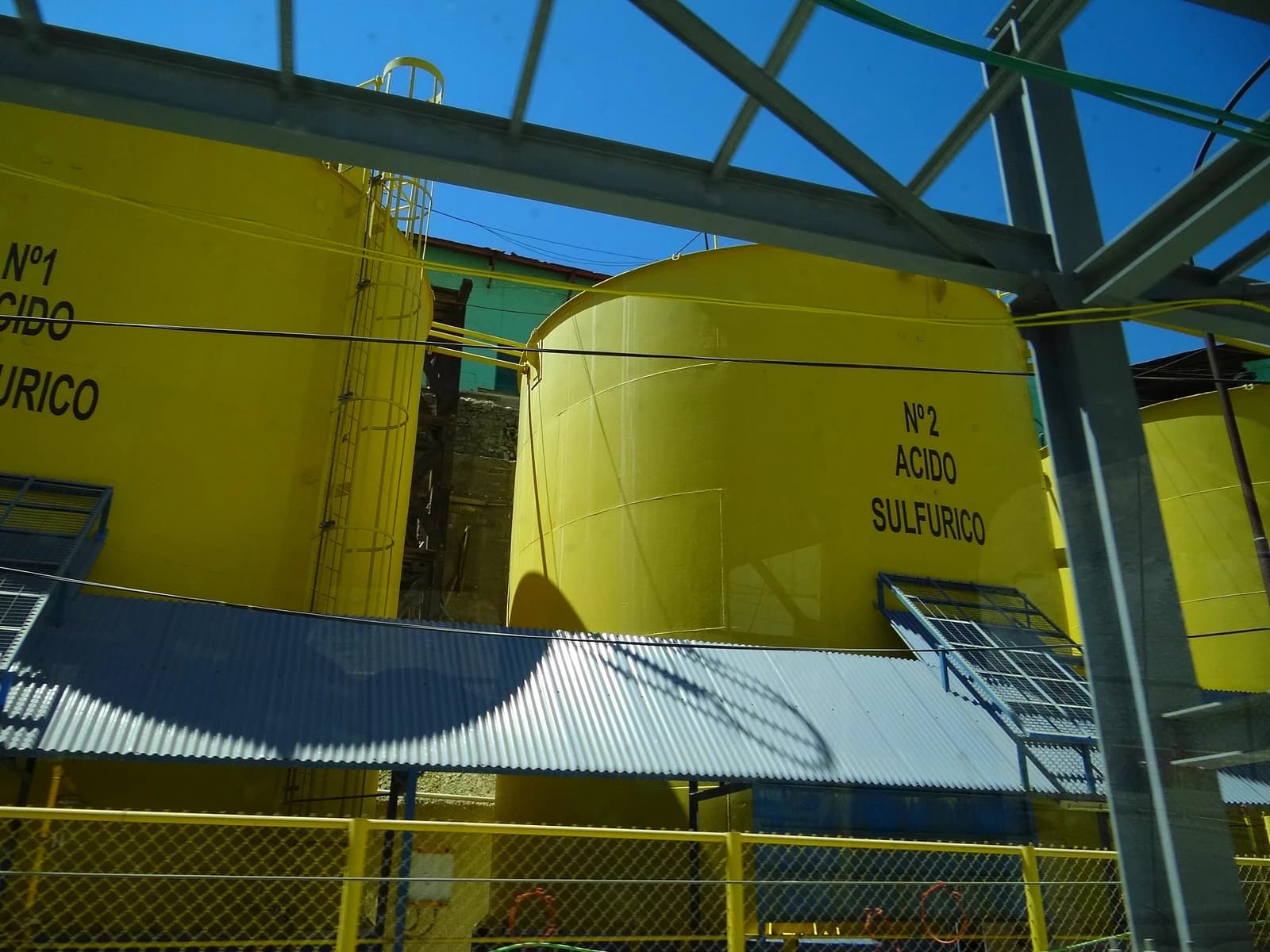
That matters because sulfur is not just an input for acid producers — it is the switch that decides whether acid pricing is driven by clearance from by-product smelters or by the cost of making acid from imported sulfur. In China, where smelter acid accounts for more than half of supply, that distinction can determine whether acid prices stay sticky or break lower.
Sentiment Indicators
SMM data cited in the source shows sulfur CIF Indonesia falling to $785 a ton as of Nov. 4, while the copper smelting acid index eased to 1,245 from an Oct. 23 peak of 1,274. The move suggests the sulfur price is crossing the threshold where brimstone acid becomes the marginal supplier again, narrowing the spread between theoretical sulfur-based acid costs and spot acid prices.
For investors, that shifts the read-through across the commodity and industrial complex. Chinese smelter acid producers face pressure from both weaker demand and cheaper substitution, while copper smelters lose by-product revenue just as treatment-charge economics remain under strain. The source estimates November spot smelting losses on copper concentrate could widen to around 6,500 yuan a ton.
The same sulfur move, however, is constructive for acid consumers abroad, especially in Indonesia’s HPAL nickel and copper projects, which import both sulfur and sulfuric acid. When the implied cost of making acid from sulfur remains far above direct acid imports, buyers are pulled back toward the cheaper option — making sulfur the anchor for international acid pricing as well.
That leaves the market at a key crossover point: if sulfur keeps falling, acid prices in China and export markets are likely to weaken further; if the spread stabilizes, smelter acid can keep cushioning the market and delay a full reset.
| Entity | Gains | Losses |
|---|---|---|
| Brimstone acid buyers | ▲Lower feedstock-linked costs | ▼Less room for smelter-acid premiums |
| Chinese smelter acid producers | ▲Short-term inventory clearance | ▼Margin pressure and weaker by-product pricing |
| Copper smelters | ▲None | ▼Lower acid credits and wider losses |
| Indonesian acid consumers | ▲Cheaper imported acid costs | ▼Less incentive to run sulfur-to-acid units |