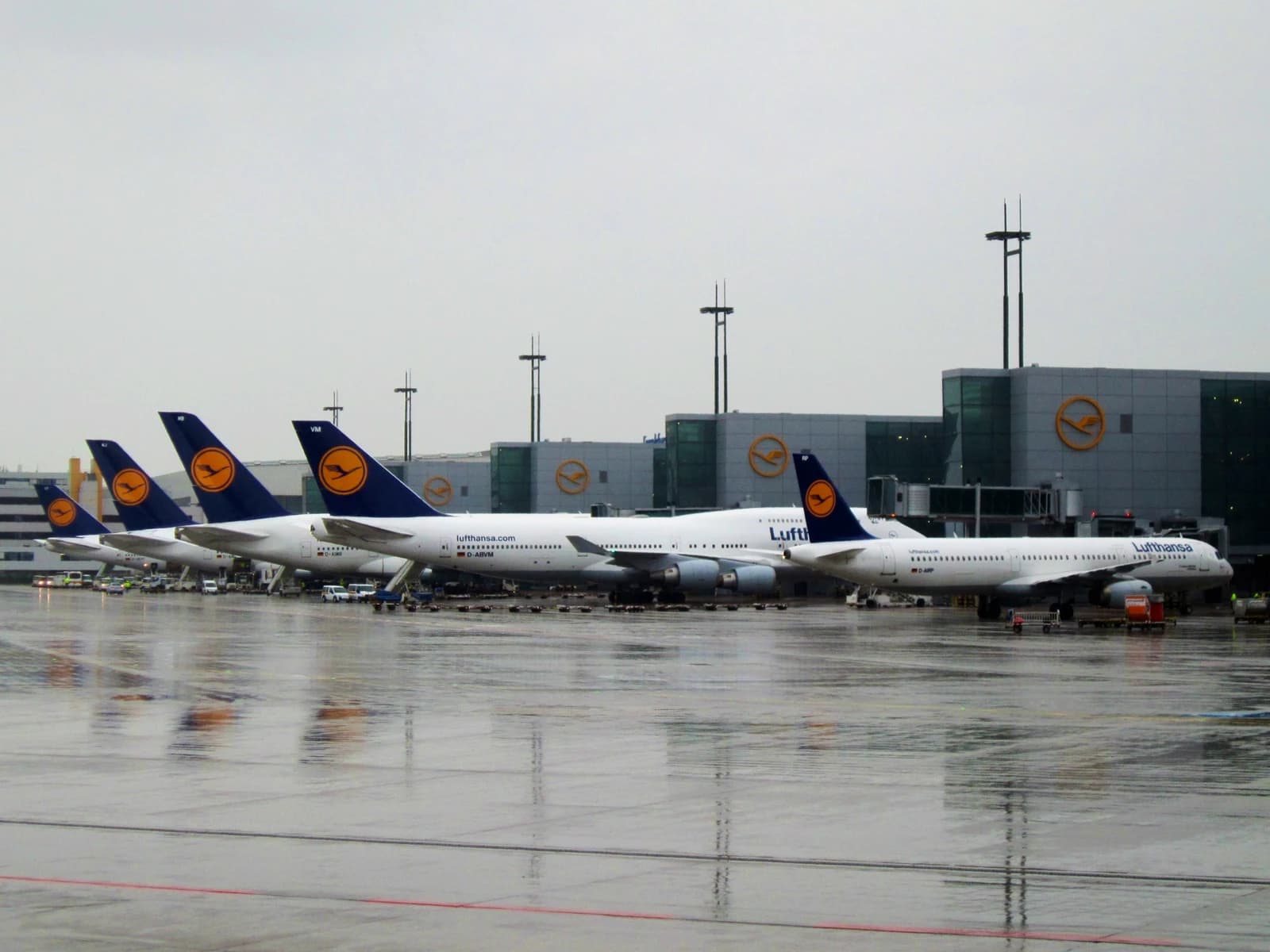
Sumitomo Corp’s push to build the world’s second-largest aircraft leasing platform is a wager that long-run demand for leased jets will outpace the financial and geopolitical risks now weighing on the industry.
Sumitomo Expands Aircraft Leasing Push
The Japanese trading house and its indirect stake in SMBC Aviation Capital moved this year to buy AerCap rival Air Lease for about $7.4 billion and then ordered 200 aircraft from Boeing and Airbus, lifting the combined fleet and orderbook to roughly 1,900 jets. That puts the group behind only AerCap, which has about 2,000 aircraft, and gives Sumitomo a credible path to the No. 1 spot if it keeps adding sale-and-leaseback deals and new orders.
Sentiment Indicators
The logic is straightforward: airlines want flexibility, lower upfront capital costs and a way to manage fleets without tying up balance sheets in assets that can cost hundreds of millions of yen apiece. With global airline fleets expected to rise from about 35,000 aircraft today to more than 50,000 in 20 years, leasing looks set to take a bigger share of financing. The current lease penetration is already about 50%, up from a much lower level in the past, and the trend is being reinforced by delivery delays at Boeing and Airbus that can stretch to five to eight years.
That supply shortage has helped push lease rates higher. Industry data cited by the report showed average widebody lease rates rose 14% last year, giving lessors pricing power even as airlines face expensive fuel and tighter financing conditions. Higher jet fuel costs have also encouraged sale-and-leaseback transactions, in which airlines sell owned aircraft to lessors and keep flying them, freeing cash while preserving capacity.
For investors, that combination is attractive but not without risk. The economics of leasing improve when aircraft values hold up, financing stays accessible and airlines remain healthy enough to sign long contracts. Sumitomo’s expansion offers a way to capture a structurally growing asset class with recurring cash flow, while also deepening exposure to a business with relatively high barriers to entry because of fleet scale, maintenance know-how and global relationships.
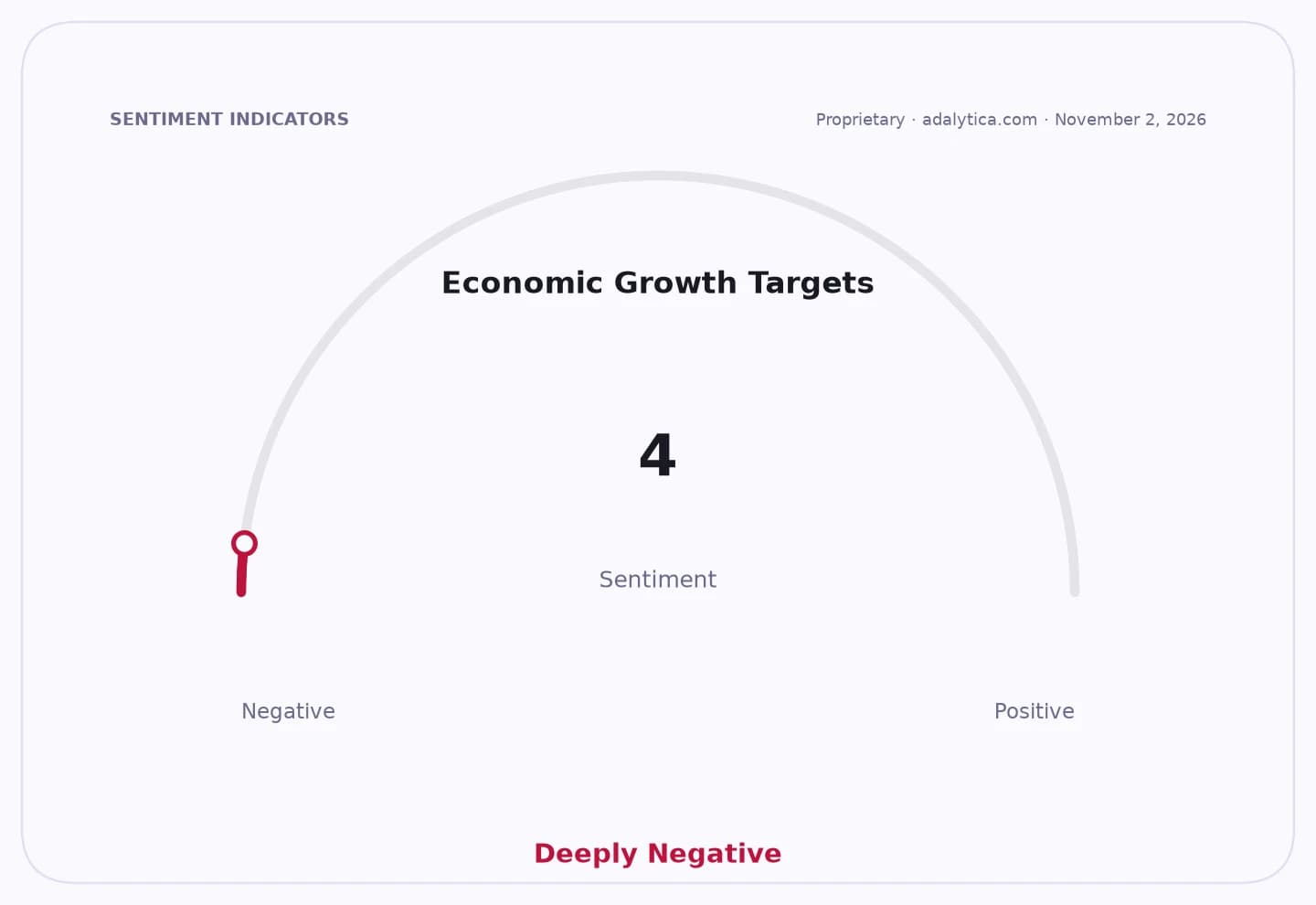
But the same factors that support the bull case can reverse quickly. Higher long-term interest rates raise the cost of funding aircraft purchases. Geopolitical conflict and trade friction can disrupt supply chains, delay deliveries and weaken travel demand. The report also noted that global concerns over supply-chain reliability and macroeconomic uncertainty remain a constraint, and the latest Adalytica Global Stability Sentiment reading showed “Extreme Fear” awareness despite a neutral overall sentiment, underscoring how quickly risk appetite can shift around aviation and cross-border asset businesses.
The competitive backdrop is intensifying. Itochu has taken stakes in Sirius Aviation and ACG, Sojitz has invested in JIA, and Mitsubishi Corp and Mitsui & Co. have backed engine leasing. The message is that Japan’s trading houses see aircraft leasing as a strategic, capital-intensive growth business rather than a niche financial play.
For Sumitomo, the key question is whether it can keep scaling fast enough to overtake AerCap without overpaying for assets or stretching its balance sheet in a more volatile rate and geopolitical environment. If airlines keep preferring leased fleets and aircraft supply remains tight, the answer could be yes. If funding costs rise further or air travel demand softens, the expansion could become more expensive to sustain.
| Entity | Gains | Losses |
|---|---|---|
| Sumitomo Corp / SMBCAC | ▲Fleet scale and fee income | ▼Higher funding and execution risk |
| Airlines | ▲Capital flexibility and faster fleet access | ▼Higher lease rates |
| AerCap | ▲Strong industry pricing backdrop | ▼Pressure from a faster-growing rival |
| Boeing / Airbus | ▲Large order pipeline | ▼Supply bottlenecks and delivery strain |