AI infrastructure spending is turning into real money for Sumitomo Bakelite, and that is the story investors should care about most. The Japanese materials maker is benefiting from a powerful buildout in semiconductors, where demand for faster chips, advanced packaging and power electronics is lifting volumes and pricing at the same time.
Sumitomo Bakelite Revenue Rises on AI Chip Demand
That matters because the AI boom is no longer just a story about chip designers and foundries. It is spreading deeper into the semiconductor supply chain, where suppliers of encapsulation materials, high-performance plastics and packaging products can capture durable growth as long as the investment cycle keeps running. Sumitomo Bakelite says it controls about 40% of the global semiconductor encapsulation materials market, putting it in a strong position if AI data-center demand continues to broaden.
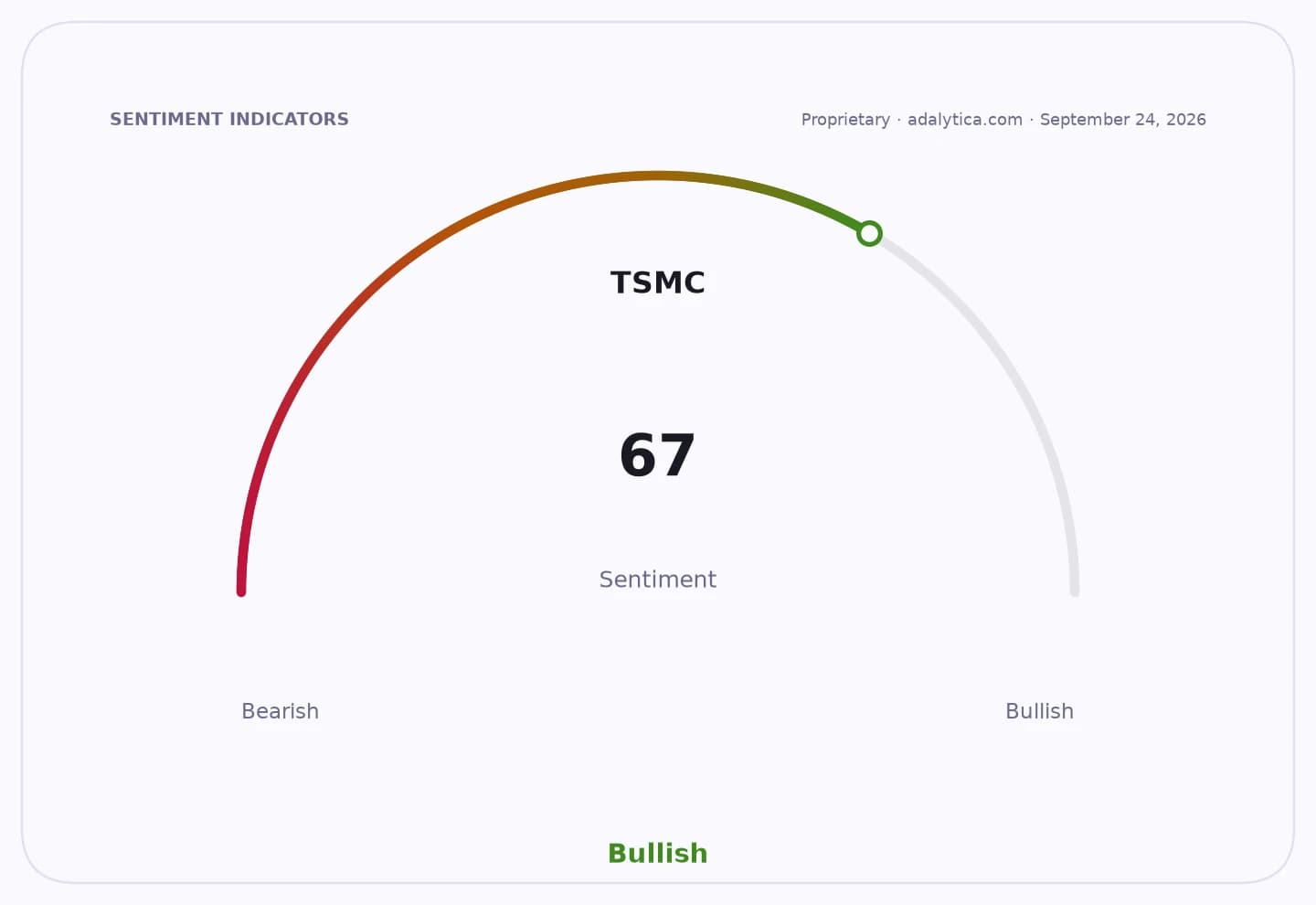
Sentiment IndicatorsⓘProprietary · adalytica.com · September 19, 2026
This is a snapshot — live sentiment, awareness and momentum for 130+ markets update continuously in the dashboard.Open AlphaPulse
The numbers show how quickly that tailwind is showing up in results. In the latest quarter, revenue rose 22.6% from a year earlier to JPY 95.2 billion, while semiconductor materials sales jumped 40% to JPY 34.2 billion. Operating profit climbed 65.4% to JPY 14.2 billion and the margin widened to 14.9% from 11.1%, helped by higher volumes, better pricing and a weaker yen. Even with raw-material pressure tied to Middle East supply-chain disruptions, the business is still converting AI demand into stronger earnings.
That is exactly why the market has already rewarded the stock. Sumitomo Bakelite shares are up 55.7% over the past year and trade near JPY 7,773, not far below the 52-week high. The stock sits on a 2027 estimated price-to-earnings ratio of 20.5 times, above its three-year average of 16.9 times, which tells you investors are paying up for the growth story and expecting it to last. Analysts remain constructive, with all seven covering the name rating it a buy.
The broader backdrop is still favorable. Japan is backing its semiconductor strategy with more than JPY 10 trillion in public funding and aims to attract over JPY 50 trillion in combined public and private investment. Globally, the World Semiconductor Trade Statistics group sees the chip market reaching about $1.7 trillion in 2026 and growing another 29% in 2027, powered by AI infrastructure, advanced memory and high-performance computing. For suppliers like Sumitomo Bakelite, that is the kind of cycle that can fuel years of compounding, not just one strong quarter.
Of course, investors should keep expectations grounded. Semiconductor materials is a competitive business, pricing can turn, and trade tensions or a slowdown in AI capital spending would eventually ripple through the chain. The company is also investing for future growth, which means execution matters and delays in commercialization could take some shine off the story.
Still, the long-term setup looks attractive for patient investors who want exposure to the picks-and-shovels side of AI. If the semiconductor buildout keeps expanding, Sumitomo Bakelite looks like one of the quieter beneficiaries worth watching closely and holding for the long run.
| Entity | Gains | Losses |
|---|---|---|
| Sumitomo Bakelite | ▲Higher materials demand | ▼Margin pressure from costs |
| AI chip builders | ▲More supply-chain support | ▼Higher input costs |
| Japan semiconductor strategy | ▲Industrial investment growth | ▼Limited if execution slows |
| Competitors in materials | ▲Spillover demand | ▼Pricing and share pressure |