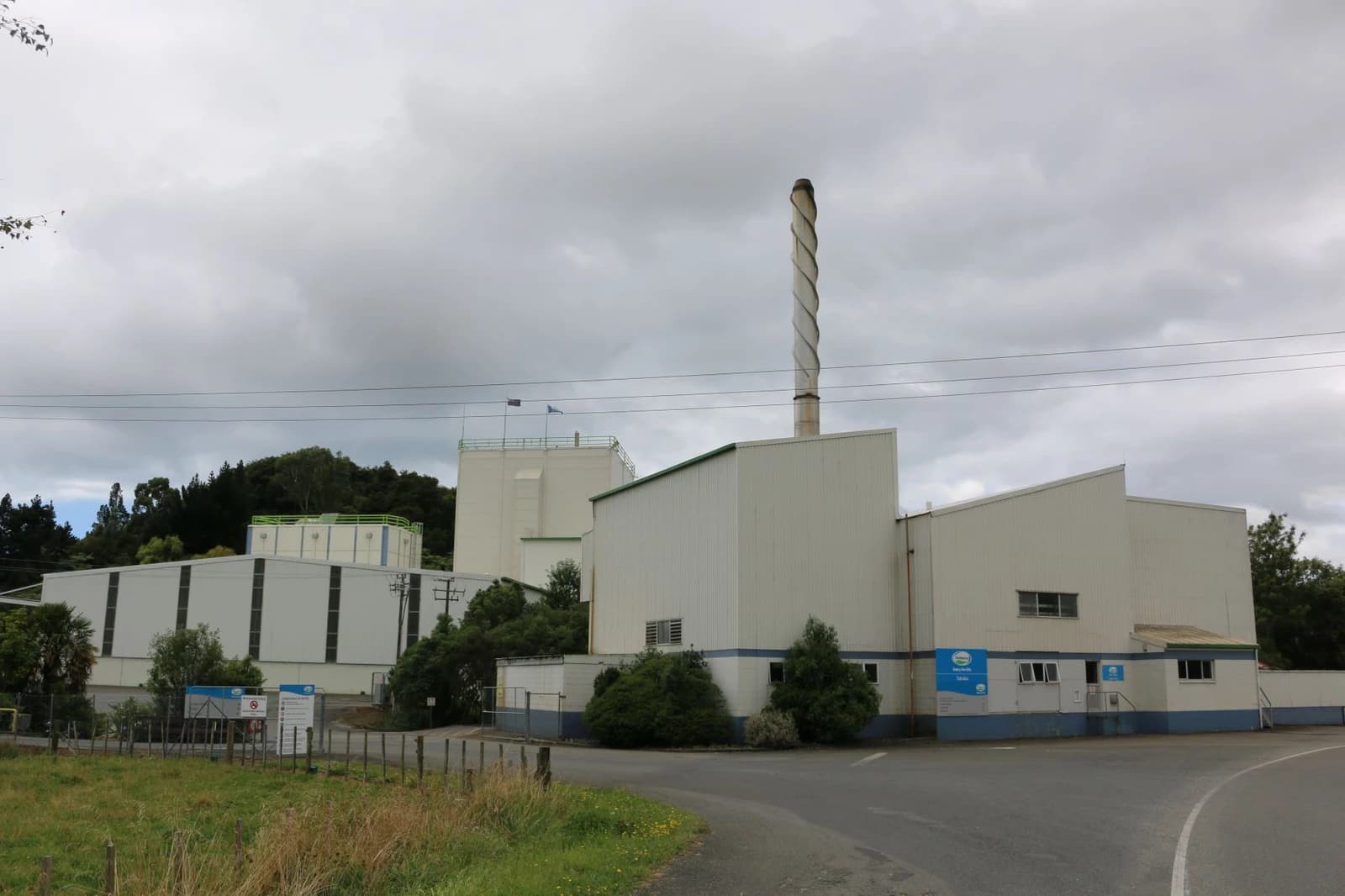
Sumul Dairy has raised the milk procurement price by 50 rupees per kilogram of fat, but the relief for dairy farmers in Gujarat is being partly erased by a roughly 100 rupee jump in cattle-feed bag prices, underscoring how inflation in farm inputs is still squeezing milk producers.
Sumul Dairy Raises Milk Procurement Price in Gujarat
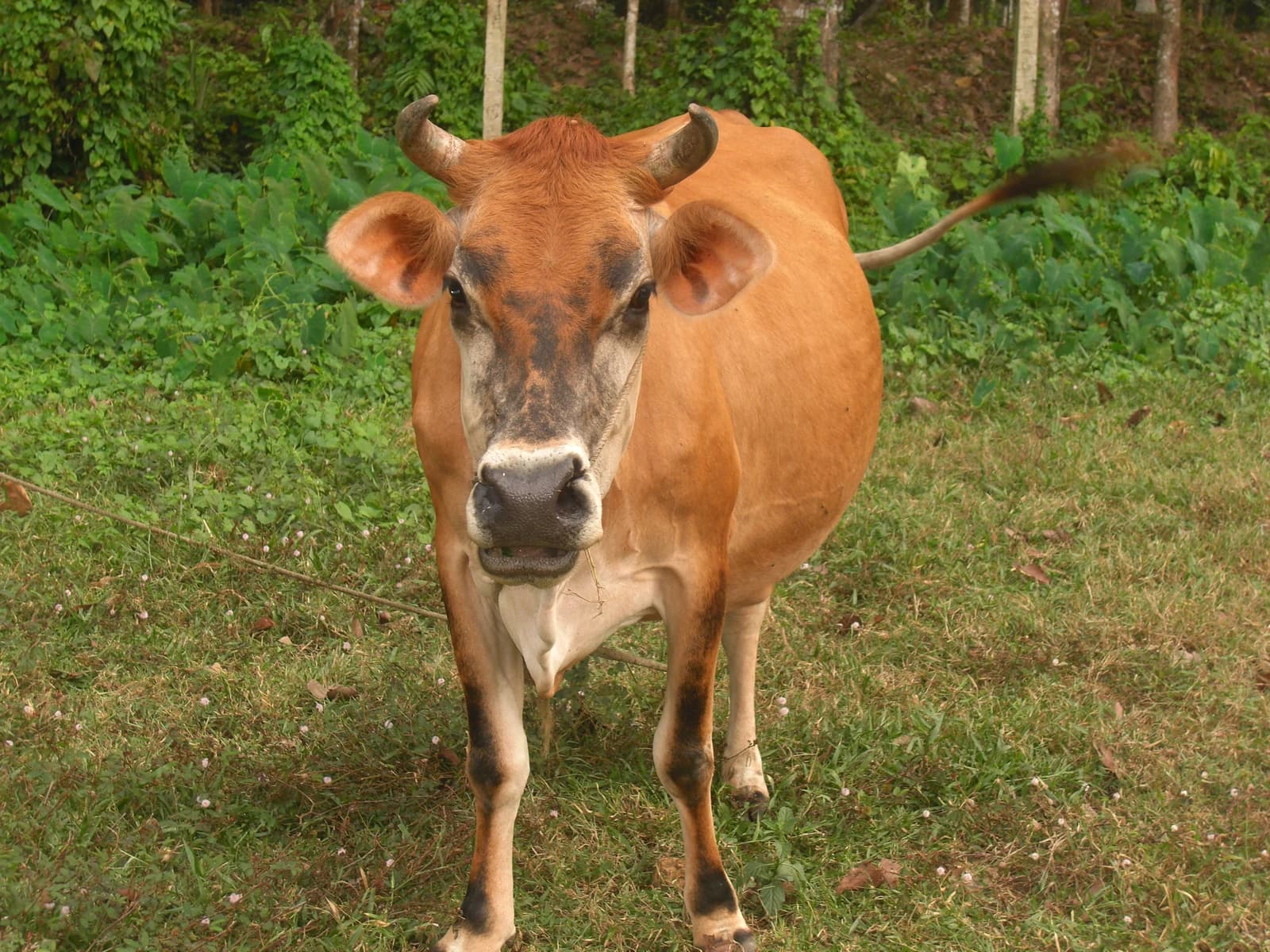
The move matters because milk pricing in India’s dairy heartland is not just a local adjustment: it is a direct read-through on rural incomes, consumer inflation and the cost base of one of the country’s most important household staples. When procurement prices rise, farmers get a better return on output, but if feed, fodder and maintenance costs rise faster, margins stay thin and herd expansion becomes less attractive.
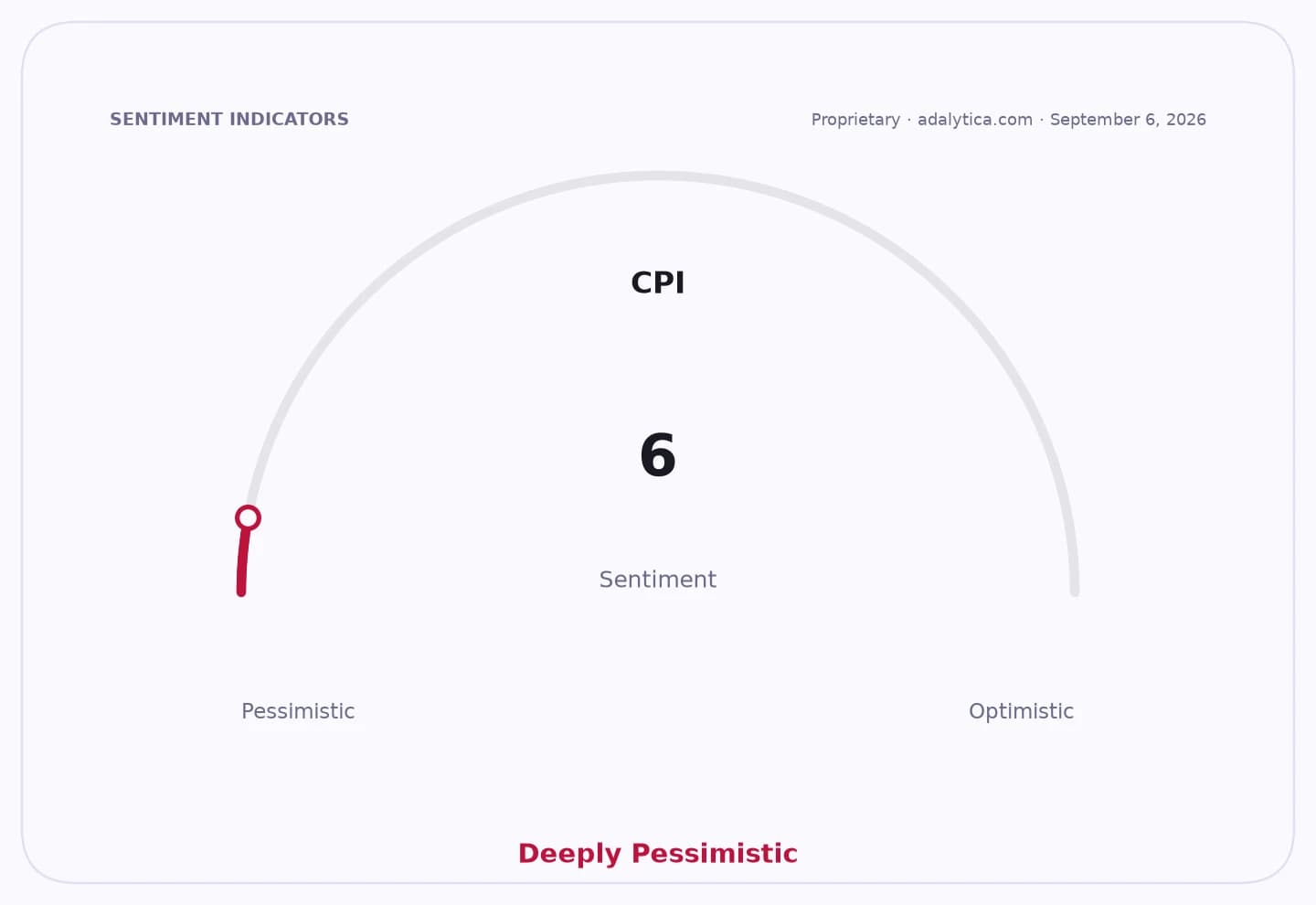
Sentiment IndicatorsⓘProprietary · adalytica.com · September 6, 2026
This is a snapshot — live sentiment, awareness and momentum for 130+ markets update continuously in the dashboard.Open AlphaPulse
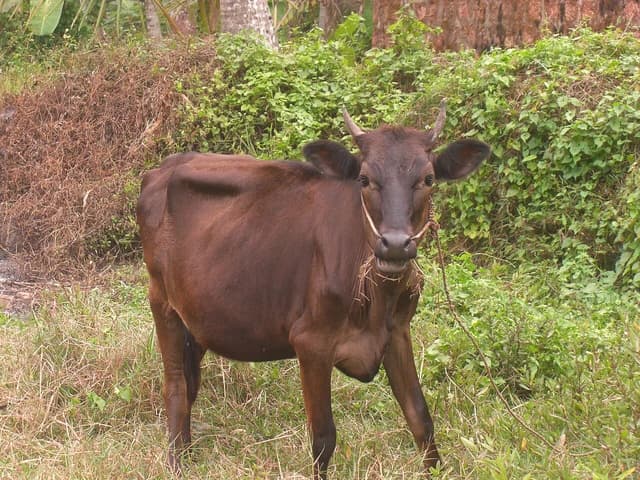
That tension is exactly what Sumul’s members are facing. Farmers had been pressing for higher milk prices for months, arguing that the previous revision, about four months ago, was no longer enough to cover costs. The latest increase, according to local reports, adds 50 rupees per kilogram of fat — the key pricing unit in milk procurement — and therefore improves the payout to producers with higher-fat milk. But the benefit is being offset by higher feed costs, which producers say have risen by around 100 rupees per bag.
The underlying pressure is broader than one cooperative. Feed and fodder costs have been climbing amid shortages linked to El Nino and more general agricultural inflation, making it more expensive to maintain cattle and produce milk. Similar pricing moves elsewhere in India — including recent increases in Mumbai retail milk prices and an Aavin hike in Tamil Nadu — point to a wider sector trend rather than an isolated decision by Sumul.
For investors, the implication is that dairy inflation may remain sticky even if consumer demand softens. Cooperatives and private dairies are likely to keep passing through input costs where they can, which supports farm-gate prices but risks pinching urban households already facing higher food bills. That can affect volumes, branding strategies and working-capital needs across the dairy value chain.
The bull case is that higher procurement prices help stabilize supply and protect farmer participation, which is essential for long-term milk availability. The bear case is that feed inflation continues to outrun milk realizations, leaving producers under pressure and forcing further price increases that could weigh on consumption.
| Entity | Gains | Losses |
|---|---|---|
| Sumul dairy farmers | ▲Higher milk realization | ▼Higher feed bills |
| Sumul Dairy | ▲Better supply retention | ▼Greater procurement costs |
| Consumers | ▲— | ▼Higher milk prices |
| Feed suppliers | ▲Higher sales prices | ▼Dairy producers' margins |