Rising food prices are becoming a political and economic headache for India just as the festival season begins, with the Congress accusing the Modi government of masking inflation while households face a sharper squeeze on everyday spending.
India food inflation rises ahead of Diwali
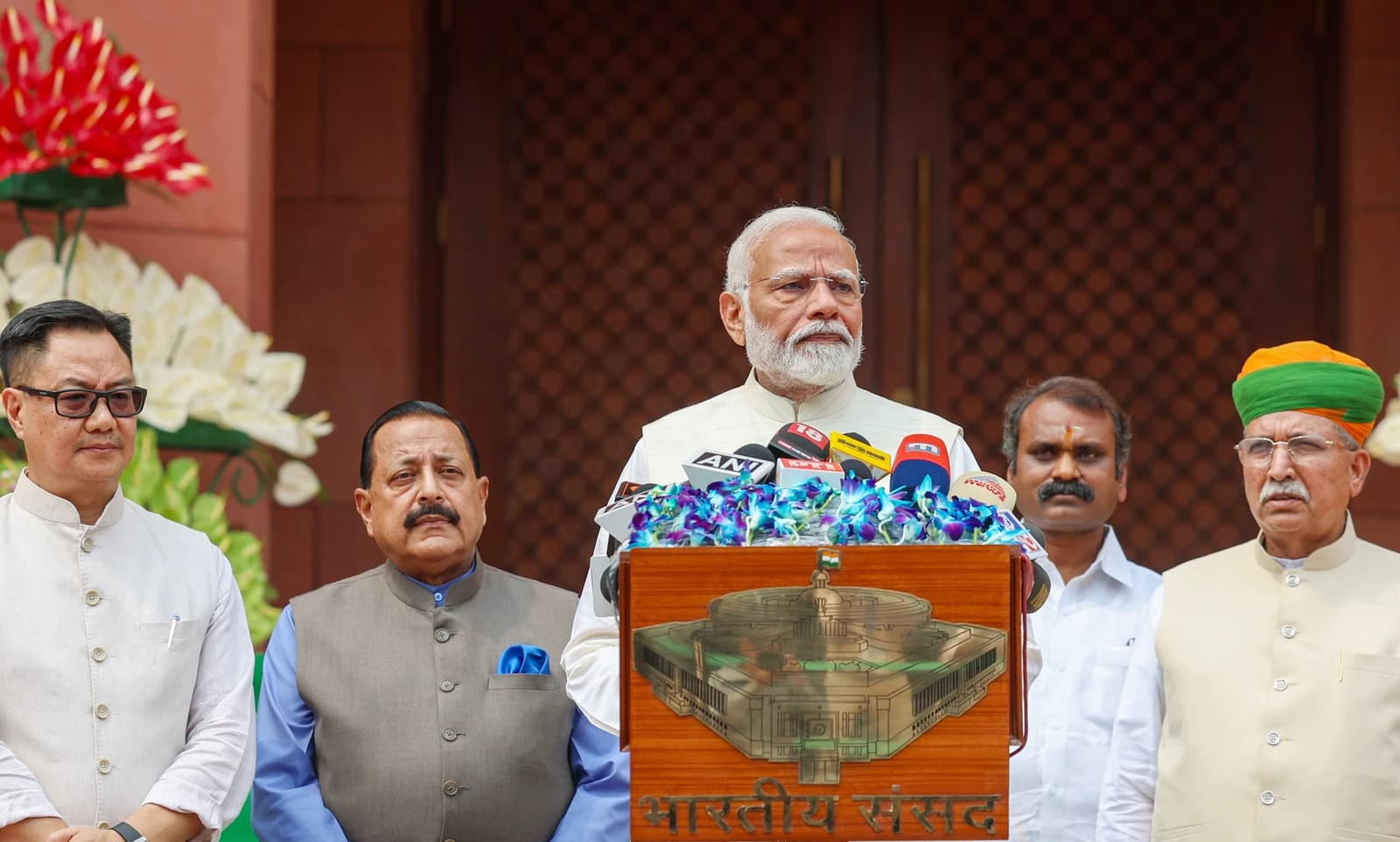
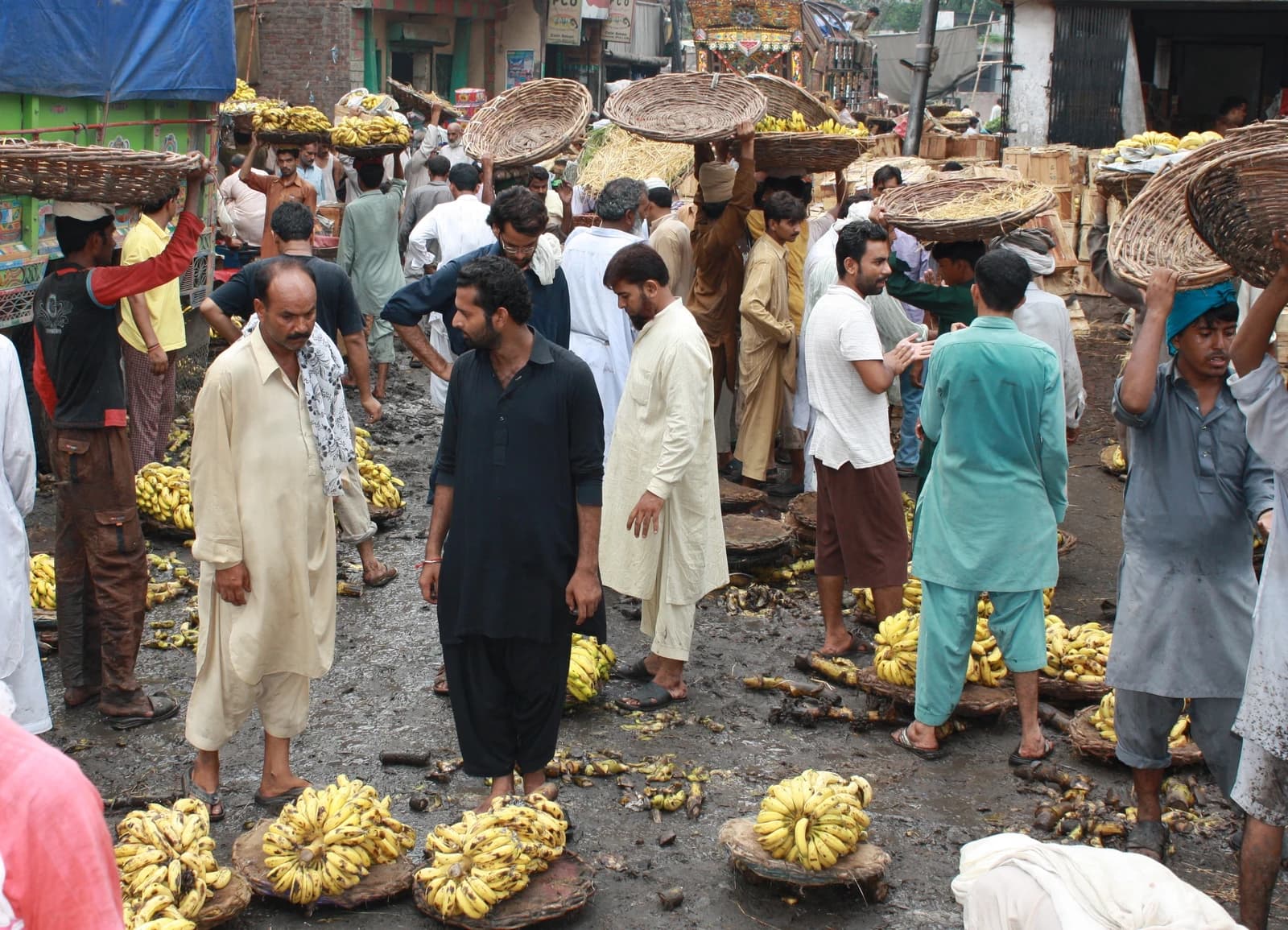
The immediate issue is not a broad-based collapse in growth, but the way food inflation is filtering through kitchens and festival budgets. Congress general secretary Jairam Ramesh said wholesale onion prices have doubled in three weeks, sugar is up 25%, and other staples including arhar, urad, mustard and refined oil have also become more expensive ahead of Diwali. He said the government’s response amounted to “statistical jugglery,” arguing that official data understate the pressure on consumers.
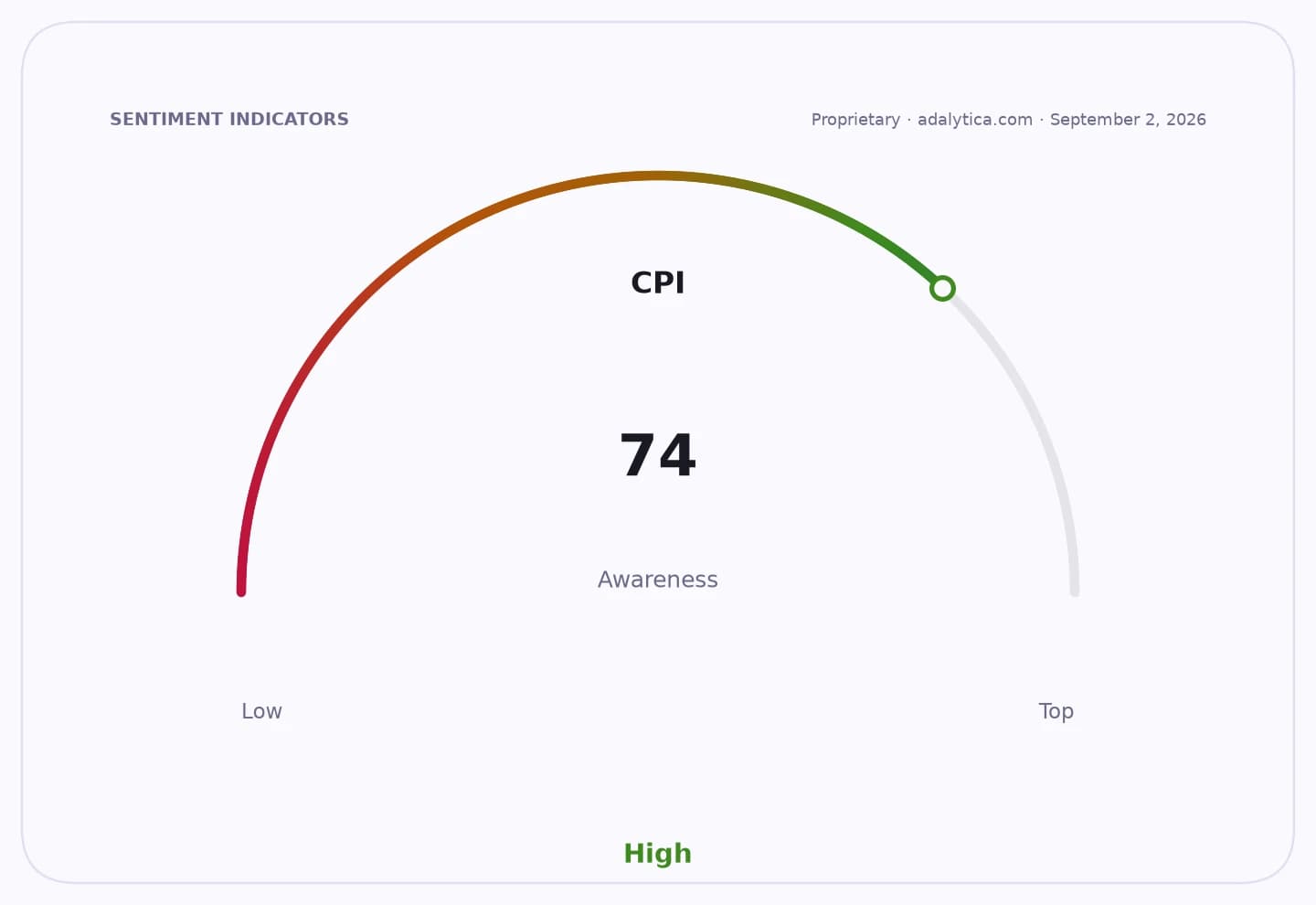
Sentiment IndicatorsⓘProprietary · adalytica.com · September 7, 2026
This is a snapshot — live sentiment, awareness and momentum for 130+ markets update continuously in the dashboard.Open AlphaPulse
That matters because food carries outsized weight in Indian household budgets, particularly for lower- and middle-income families, and because festival demand typically amplifies spending on sweets, dairy, dry fruits and cooking oil. Even modest price increases can have a disproportionate effect on sentiment when consumers are already sensitive to the cost of essentials. Higher milk and sugar prices, in particular, feed directly into the cost of sweets, while ghee and spices add to the overall bill.
For policymakers, the backlash underscores how inflation remains a live issue even as the government points to strong growth data. The Congress has also questioned the credibility of India’s reported 7.8% GDP expansion in the April-June quarter, calling it disconnected from weak investment sentiment. That argument has little immediate market impact on its own, but it reinforces a broader narrative: headline growth is looking healthier than the lived experience of many consumers.
Investors tend to focus on that gap because it can affect consumption patterns, policy expectations and earnings across staples, retail and discretionary sectors. Persistent food inflation could pressure volumes for consumer goods makers if households trade down, while benefiting farmers and some agri-linked businesses if higher prices hold. It also complicates the central bank’s task if food costs spill over into broader inflation readings, even if core price pressures remain contained.
The market implication is that India’s growth story is still intact, but it is becoming more politically and economically uneven. If food inflation stays elevated through the festive season, it could sap consumer confidence, sharpen scrutiny of official statistics and keep pressure on the government to show that growth is not being bought at the cost of household purchasing power.
| Entity | Gains | Losses |
|---|---|---|
| Food producers | ▲Higher selling prices | ▼Consumer pushback |
| Households | ▲None | ▼Higher festival budgets |
| Modi government | ▲Growth narrative | ▼Inflation criticism |
| Consumer staples | ▲Pricing power | ▼Volume risk |