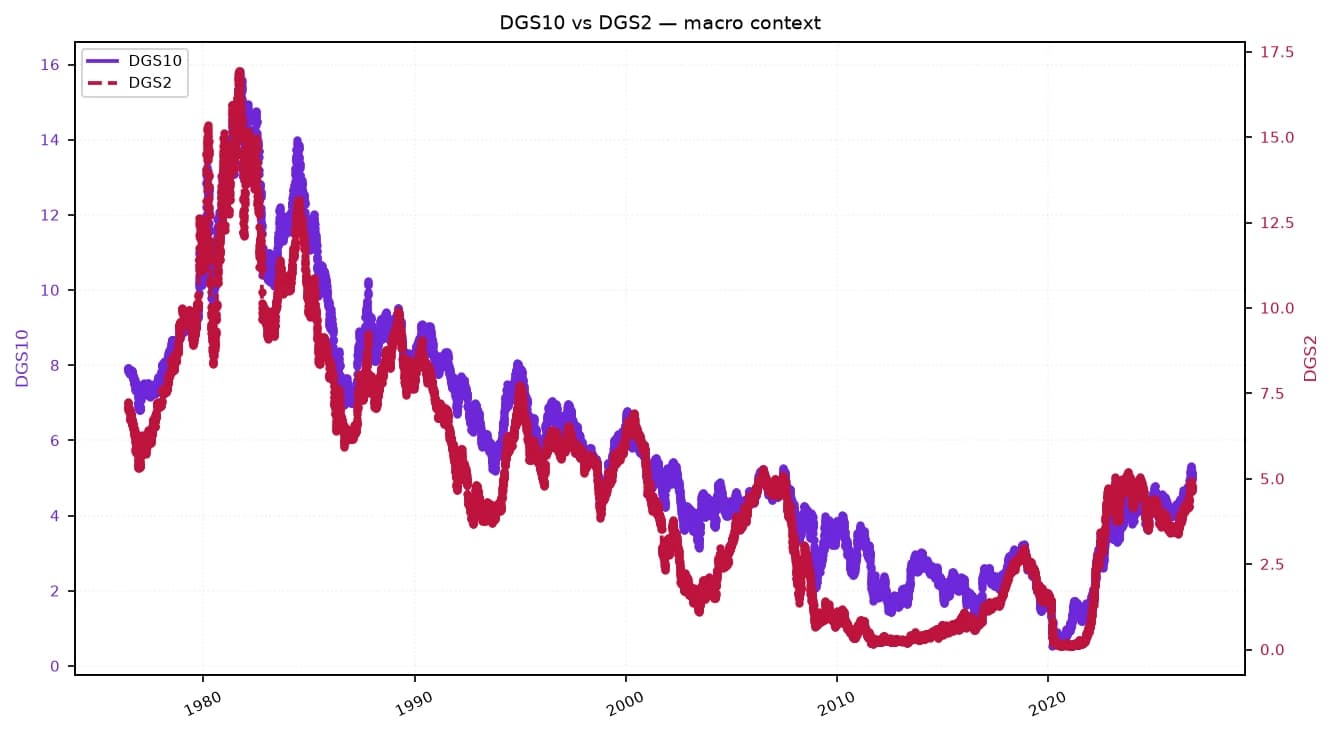
Sun Pharmaceutical Industries tapped India’s bond market just as borrowing costs hardened, and the result is a clear warning for every issuer trying to fund growth in a rising-yield environment: money is still available, but not on the easy terms companies were getting earlier this year.
Sun Pharma Raises ₹7,816 Crore in Bond Sale
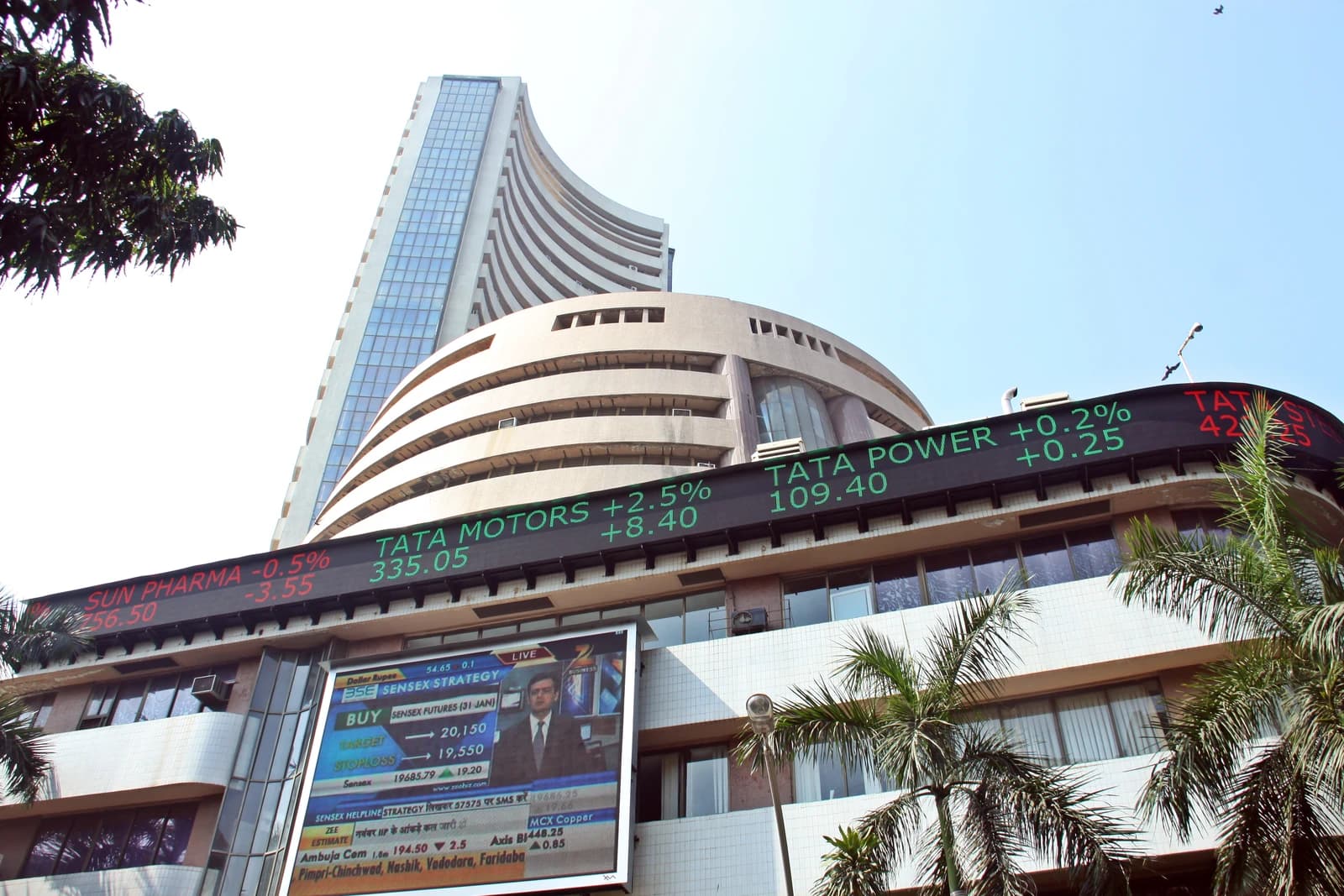
The drugmaker raised ₹7,816 crore, short of its ₹10,000-crore target, after pricing five-year notes at 8.05% and seven-year notes at 8.20%. That is a respectable haul, but the miss matters because it shows how quickly investor appetite cools when benchmark yields move up and the spread for taking corporate risk narrows. Government bond yields have climbed above 7.4%, while corporate bond yields have hardened by roughly 10 to 20 basis points in recent sessions, making it harder for issuers to sell longer-dated paper without paying up.
Sentiment Indicators
For Sun Pharma, the outcome still reflects solid credit quality. Crisil Ratings assigned the proposed notes an AAA/Stable rating, and the issuance drew ₹2,100 crore in anchor commitments from insurers, mutual funds and pension funds. But even top-tier borrowers are now being forced to price more aggressively to get deals done. That is the economically important shift: higher rates are beginning to bite into corporate funding plans, not just in theory but in actual subscription levels.
This is exactly why the bond market matters for equity investors. When financing costs rise, capital allocation gets less forgiving. Companies with heavy expansion plans, refinancing needs or acquisition ambitions have to either accept higher interest expense or scale back issuance. For Sun Pharma, a larger debt raise would have supported more flexibility on the balance sheet and possibly future investment capacity. Falling short means less firepower than planned, even if the company still secured a substantial amount.
The deal also fits a broader market pattern. Investors are becoming more cautious about locking in returns after yields have moved higher, and that caution is visible across both sovereign and corporate debt. In that sense, Sun Pharma’s fundraising is not an isolated company story but part of a repricing in capital markets that rewards discipline and punishes aggressive funding assumptions.
For investors, the takeaway is straightforward: in a world of rising yields, the winners are issuers with strong ratings and pricing power, while the losers are companies that need cheap, abundant liquidity to execute their plans. Sun Pharma proved it can still access capital, but the cost of that capital has clearly risen. That is the trend to watch if yields keep climbing.
| Entity | Gains | Losses |
|---|---|---|
| Sun Pharma | ▲Access to ₹7,816 crore | ▼Missed ₹10,000 crore target |
| Bond investors | ▲Higher coupons | ▼Lower upside if yields keep rising |
| Competing issuers | ▲Benchmark for pricing discipline | ▼Must pay more to borrow |
| Banks/arrangers | ▲Fee income from deal | ▼Slower issuance if demand weakens |