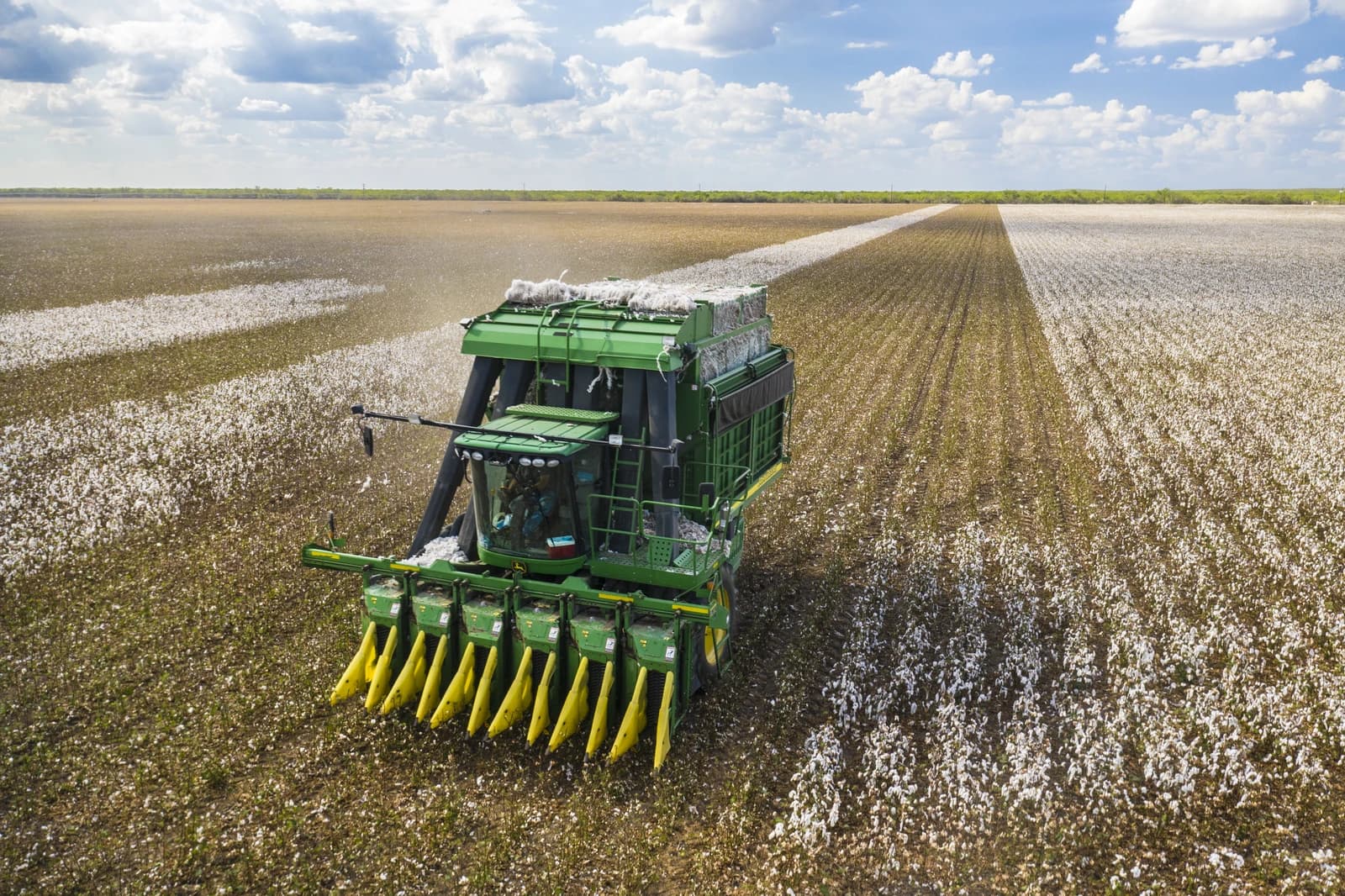
Surendranagar is still on track to produce about 10 lakh bales of cotton this season, a sign that one of Gujarat’s most important cotton belts may hold up despite patchy rainfall and wider supply pressures across the crop.
Surendranagar Cotton Output Seen at 10 Lakh Bales
That matters because Surendranagar has been Gujarat’s biggest cotton-producing district for the past three years, making its harvest a key swing factor for the state’s farm economy, ginning activity and raw-material supply to the textile chain. If the estimate holds, it would cushion some of the stress from weather-hit cotton belts elsewhere and help keep domestic lint availability steadier than many growers fear.
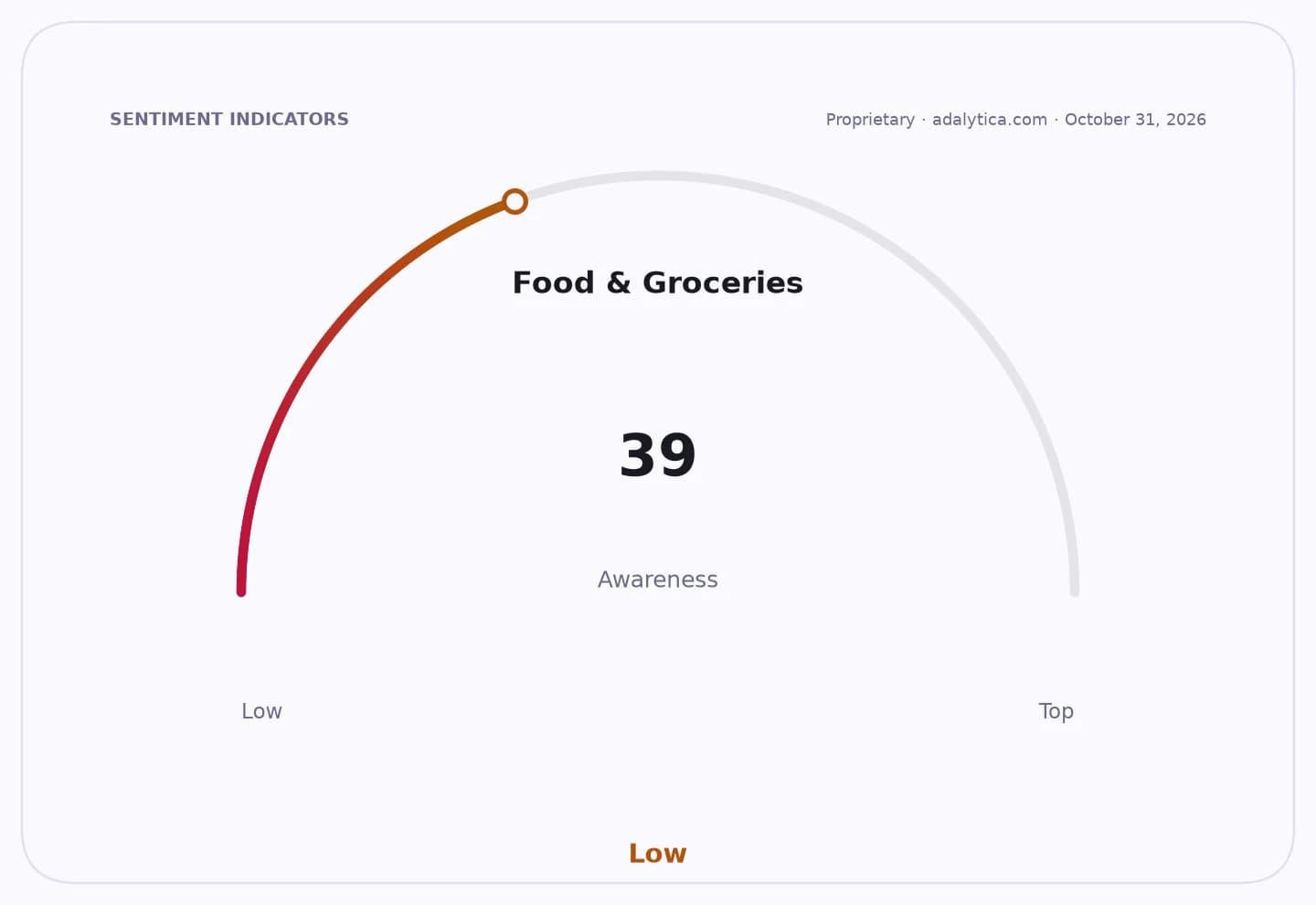
Sentiment Indicators
The agriculture department’s projection also speaks to how uneven India’s cotton story has become. Farmers across the country are wrestling with low lint prices, weather damage and a shift toward alternative crops such as maize and sunflower in some areas. In that backdrop, a strong showing from Surendranagar would stand out as a rare pocket of resilience.
For investors, the number matters less as a single data point than as a read-through on supply. Better-than-feared cotton output can ease pressure on textile margins, improve operating visibility for ginners and spinners, and shape near-term buying behavior in the fiber market. At the same time, any shortfall when final figures are tallied would quickly reprice expectations for cotton availability and keep volatility high.
The bigger narrative is that cotton remains a weather-sensitive, policy-sensitive commodity with fragile farmer confidence. A district like Surendranagar can still deliver volume, but the market is increasingly being forced to separate durable production zones from vulnerable ones. The final harvest figures will show whether Gujarat’s core cotton hub is merely holding the line or offsetting deeper weakness elsewhere in the crop.
For now, the trade takeaway is straightforward: Surendranagar looks like a relative winner in a stressed cotton market, and any confirmation of the 10 lakh-bale estimate could support the case for stability in Gujarat’s textile supply chain even as broader cotton sentiment stays cautious.
| Entity | Gains | Losses |
|---|---|---|
| Surendranagar farmers | ▲Strong harvest estimate | ▼Weather uncertainty |
| Gujarat textile chain | ▲Steadier cotton supply | ▼Input-cost volatility |
| Cotton ginners/spinners | ▲Better volume visibility | ▼Tight supply risk |
| Competing crops | ▲Weaker relative appeal | ▼Cotton acreage pressure |