The most important feature of this sustainability bond is not the upside linked to the EISTX Re.Scr.Sel.30 Pr EO index, but the 92% minimum repayment at maturity in February 2028, which gives investors a defined capital floor in a market still shaped by higher-for-longer rates and uneven risk appetite.
Sustainability bond offers 92% floor to 2028
That matters because structured products like this sit at the intersection of income-seeking and capital-protection demand. Investors are being offered exposure to a sustainability-themed basket with some downside cushioning, while issuers can still tap demand for products that promise more than a plain-vanilla bond in exchange for taking on equity and index-linked risk.
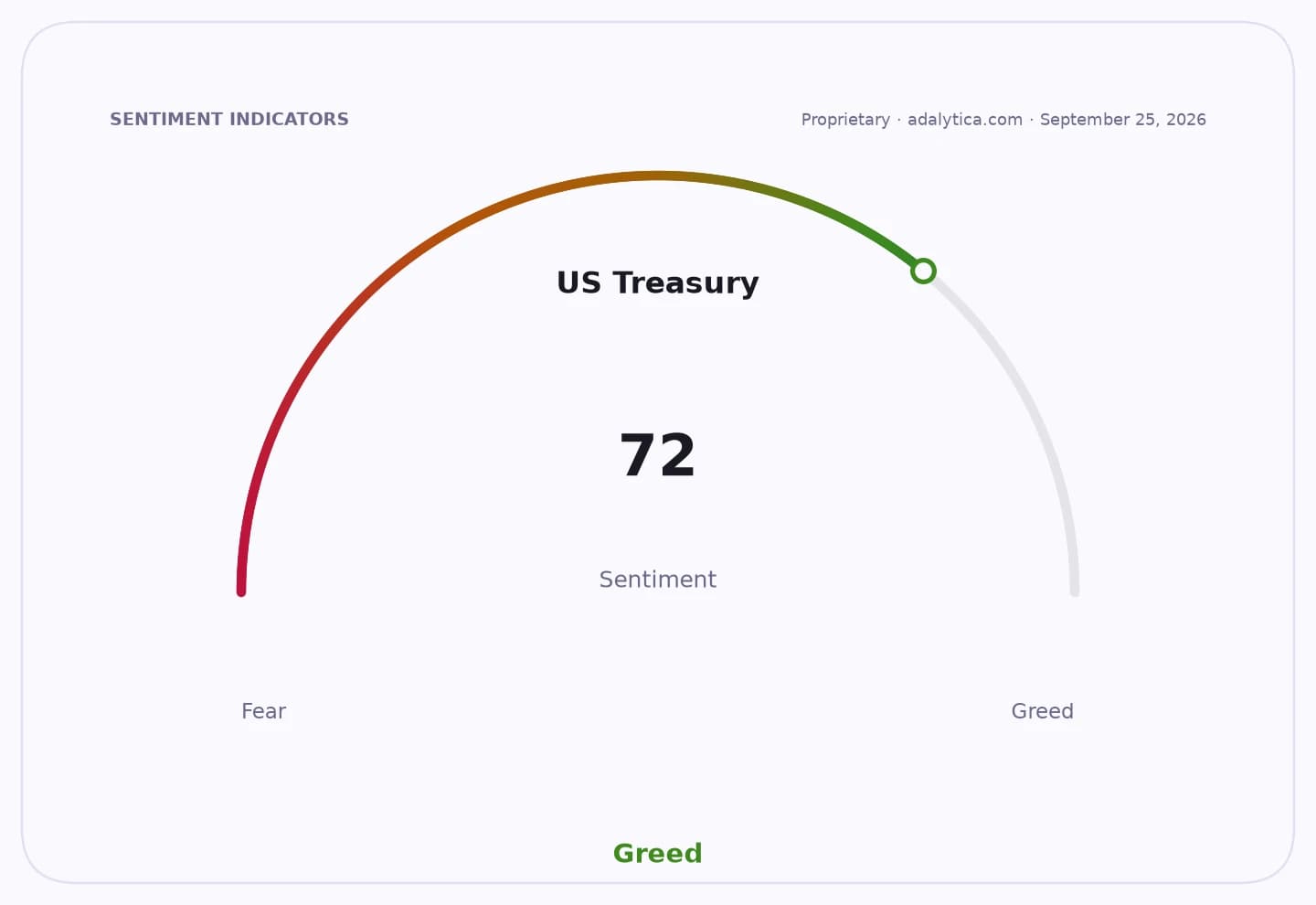
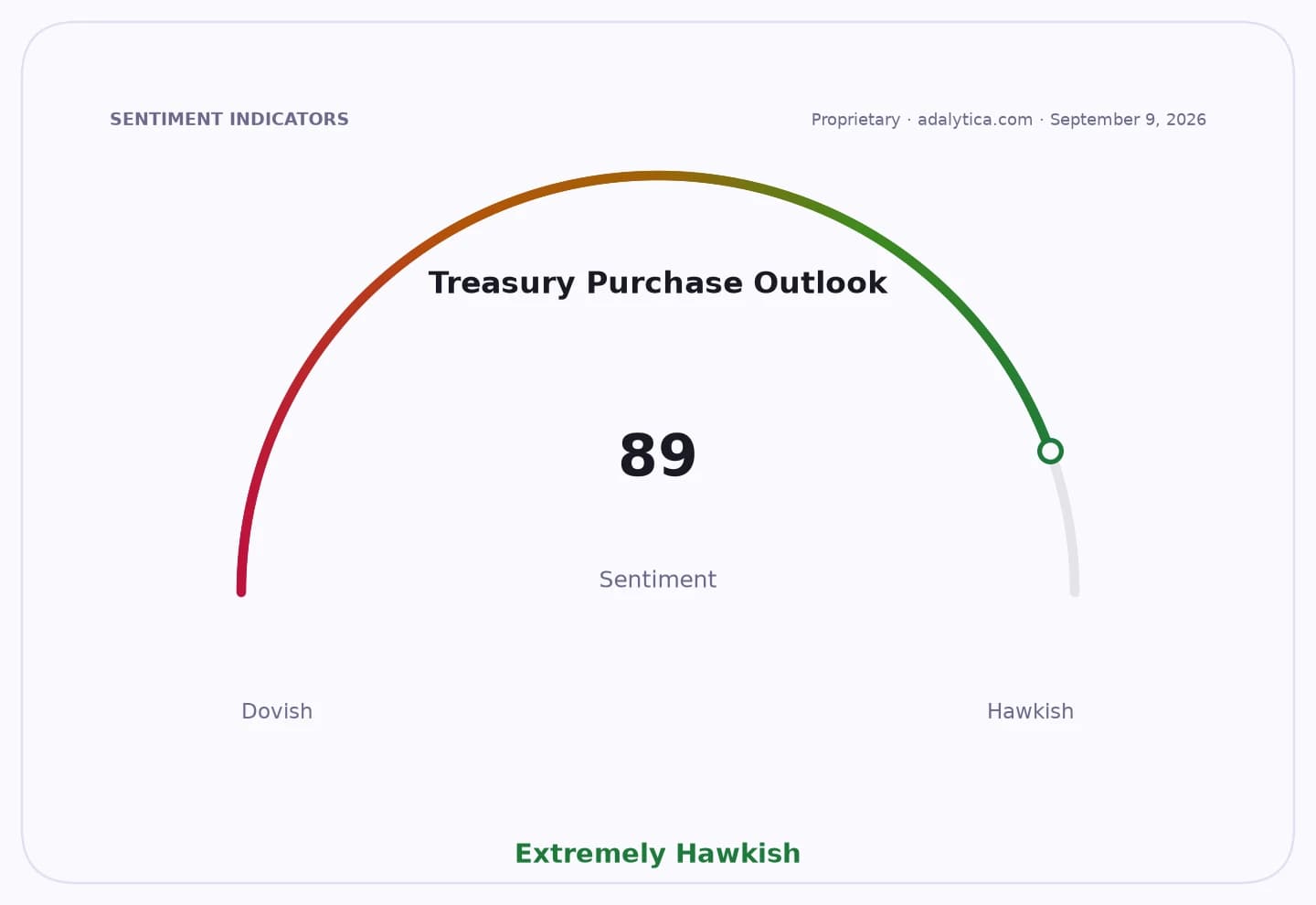
Sentiment IndicatorsⓘProprietary · adalytica.com · October 1, 2026
This is a snapshot — live sentiment, awareness and momentum for 130+ markets update continuously in the dashboard.Open AlphaPulse
The mechanics are straightforward but important. The final repayment is tied to an average of the underlying index over 13 observation dates between February 2027 and February 2028, rather than just the level on one maturity date. That averaging feature can soften the impact of a sharp late rally or selloff, which makes the payoff less binary and more forgiving than a direct tracker. The initial reference level is also based on the most favorable of a set of observation dates from 2020 and early 2021, a structure that can matter a great deal for how easily the note can preserve value at maturity.
For investors, the appeal is clear: this is a way to participate in an environmentally branded equity theme without giving up all downside protection. But the trade-off is equally clear. The 92% repayment is a floor, not a guarantee of a full return of principal, and the product’s outcome still depends on the path of the underlying index. If markets are volatile, the average-price feature can help. If the index weakens persistently, the cushion may not be enough to avoid losses.
The broader backdrop also supports demand for this kind of instrument. U.S. Treasury yields remain elevated, the 10-year yield is around 5.17%, and the yield curve has only modestly re-steepened, with the 10-year minus 2-year spread near 0.41 percentage point. The Fed funds rate is still 3.63%, leaving investors with a world where cash no longer feels like dead money and any structured note has to compete with relatively attractive risk-free income. That makes capital-protected or partially protected products more relevant than they were in the zero-rate era.
At the same time, market sentiment remains mixed. Adalytica’s snapshot on the S&P 500 shows neutral sentiment and fear in awareness readings, while U.S. Treasury bond signals show neutral sentiment but very high awareness, suggesting investors are paying close attention to rate moves even if conviction is limited. In that environment, a product promising a defined minimum payout can look appealing to conservative portfolios, especially those seeking sustainability exposure without a full equity drawdown.
For long-term investors, the real lesson is that structured sustainability notes are becoming a financing and allocation tool, not just a niche bank product. They can be useful for diversifying return sources, but they should be sized carefully and understood as a trade-off between protection, complexity, and upside. If you want ESG exposure with guardrails, this is worth watching; if you need simplicity and full liquidity, plain index funds and high-quality bonds still do the job better.
| Entity | Gains | Losses |
|---|---|---|
| Investors seeking downside protection | ▲Capital floor at maturity | ▼Full upside participation |
| Issuers of structured notes | ▲Funding demand | ▼Simpler product economics |
| Sustainability-themed equity baskets | ▲New capital flows | ▼Plain vanilla bonds |
| Cash and Treasuries | ▲Less relative appeal | ▼Yield-sensitive inflows |