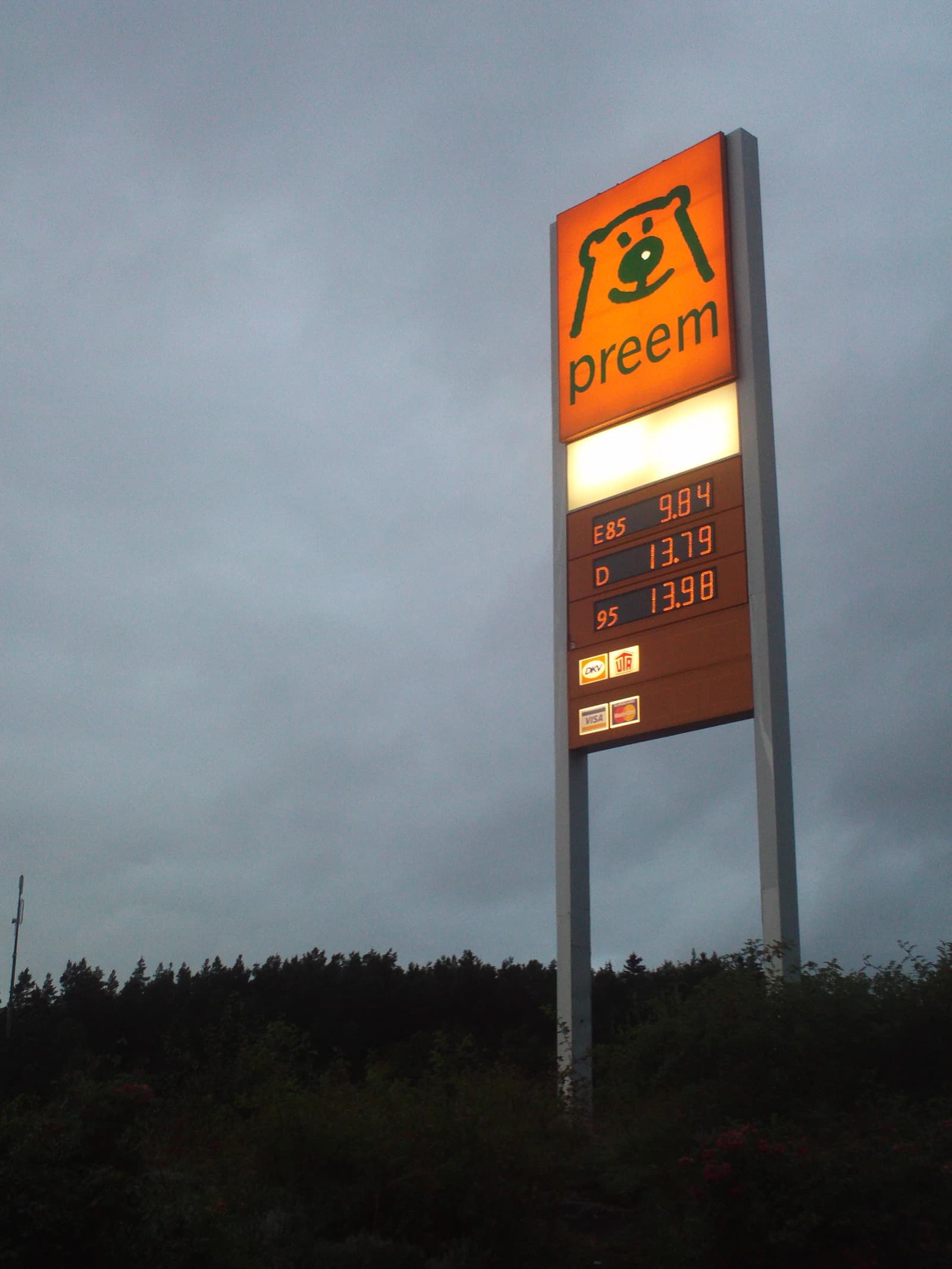
Sweden’s parliament has blocked a proposal to extend lower fuel taxes, paving the way for a jump in pump prices from Dec. 1 that will squeeze household budgets just as families head into the most expensive shopping season of the year.
Sweden Blocks Fuel Tax Cut Before Dec. 1 Price Rise
Consumer Confidence
The decision matters beyond the political fight between the Sweden Democrats and the ruling bloc. For a country where many commuters, rural households and parents with children depend on cars for daily life, higher fuel costs feed directly into disposable income, transportation costs and, eventually, consumer prices.
Sentiment Indicators
That makes the timing especially sensitive. The measure comes as households are already under pressure from elevated borrowing costs and fragile consumer confidence. Adalytica’s Consumer Confidence Recession Sentiment gauge is at a neutral 57, but its recent swings show how quickly sentiment can deteriorate. Spending sentiment remains elevated at 93, while retail-goods spending sentiment is also in “Extreme Greed” territory at 86, suggesting households are still spending — but with little room for another cost shock.
The economic transmission is straightforward. In a large, sparsely populated country like Sweden, higher fuel costs do not stay confined to drivers at the pump. They raise the cost of moving goods, which can push up prices for food, retail goods and services. That is why the issue has become a broader cost-of-living story rather than a niche tax debate.
The political stakes are equally clear. The Sweden Democrats argued that extending the tax cut would protect ordinary households from what they described as a “shock” increase in fuel prices, especially ahead of Christmas. The rejection in the finance committee means the burden now falls on families already facing holiday spending, with the biggest hit likely to land on lower- and middle-income households that cannot easily absorb higher transport bills.
Investors will watch the second-order effects. If fuel prices rise into December and January, the move could add a small but broad-based inflationary impulse, complicating the outlook for Swedish consumers and policymakers. Higher transport costs can also weigh on retail margins if households pull back on discretionary spending, while exporters may benefit less than import-reliant consumers suffer if energy costs stay elevated.
The broader narrative is one of an economy where the transition to cleaner transport is still incomplete, but the costs of that transition are being paid immediately by households with the least flexibility. Until more drivers can switch to electric vehicles, fuel taxes remain a blunt instrument — politically popular with fiscal hawks, but painful for consumers when prices rise.
For now, the clear winner is the state’s revenue base and policymakers who favor keeping fuel taxes intact. The losers are commuters, rural households and retailers heading into the year-end shopping season with less spending power.
| Entity | Gains | Losses |
|---|---|---|
| Swedish state finances | ▲Higher fuel-tax revenue | ▼Tax-cut extension |
| Rural households and commuters | ▲None | ▼Higher transport bills |
| Retailers and food sellers | ▲None | ▼Softer consumer demand |
| Sweden Democrats | ▲Political opposition message | ▼Policy setback |