Sweden is preparing to loosen rules for so-called “everlasting debtors” in a bid to help more than 18,000 people escape decades-old debt registered with the Enforcement Authority, a move that could reset one of the country’s most stubborn social and financial problems.
Sweden Plans Rule Changes for Long-Term Debtors

The proposal matters economically because prolonged debt lock-in keeps households outside the formal credit system, depresses consumption and limits labor mobility, while also forcing the state to absorb the social cost of chronic over-indebtedness. If the rules change, more borrowers could eventually re-enter mainstream banking, which would help household balance sheets but also increase risk for lenders extending fresh credit to marginal borrowers.
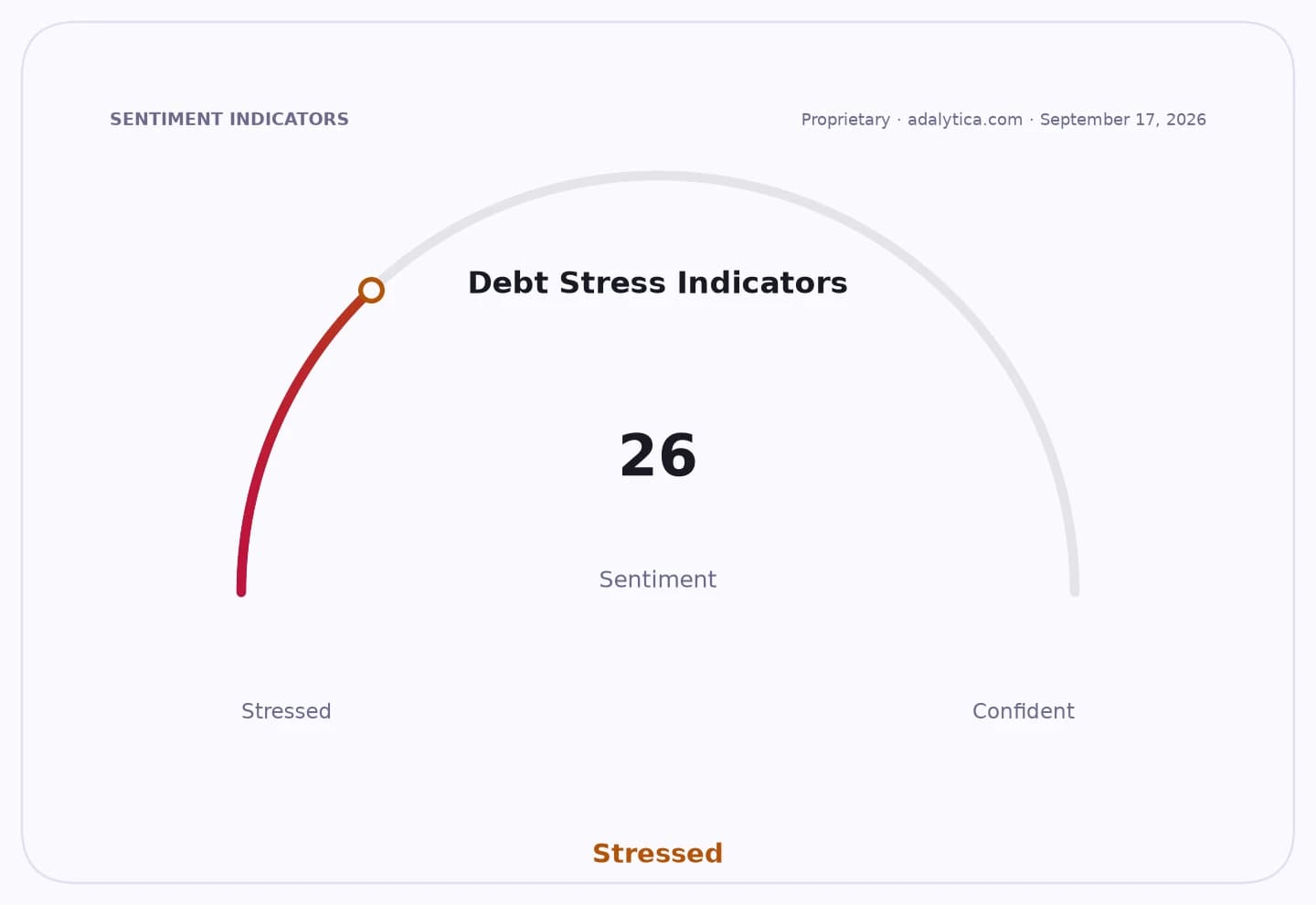
Sentiment IndicatorsⓘProprietary · adalytica.com · September 6, 2026
This is a snapshot — live sentiment, awareness and momentum for 130+ markets update continuously in the dashboard.Open AlphaPulse
Officials say many of the debts date back to the 1990s, underscoring how a legacy of past crises can outlive multiple economic cycles. Davor Vuleta, an expert on over-indebtedness, said the cases often involve “very tragic life stories,” highlighting that the issue is not just legal but also a long-running drag on financial resilience and social stability.
For investors, the immediate market impact is limited, but the broader message is relevant: as borrowing costs remain elevated and debt stress rises in households and governments alike, policy makers are increasingly focused on debt relief mechanisms rather than punishment alone. In Sweden, that could eventually benefit consumer spending and financial inclusion, though banks and credit providers may face tighter scrutiny over underwriting standards.
The changes are still only proposed, but they would mark a meaningful shift in how Sweden handles long-term debt distress, with the next catalyst likely to be the details of the law amendment and how quickly Parliament moves on it.
| Entity | Gains | Losses |
|---|---|---|
| Long-term debtors | ▲Chance to exit debt trap | ▼Less legal certainty for creditors |
| Swedish households | ▲Better credit access | ▼Risk of tighter future lending rules |
| Banks and lenders | ▲Potential new borrowers | ▼Higher default and underwriting risk |
| State and society | ▲Lower chronic debt burden | ▼More administrative and policy complexity |