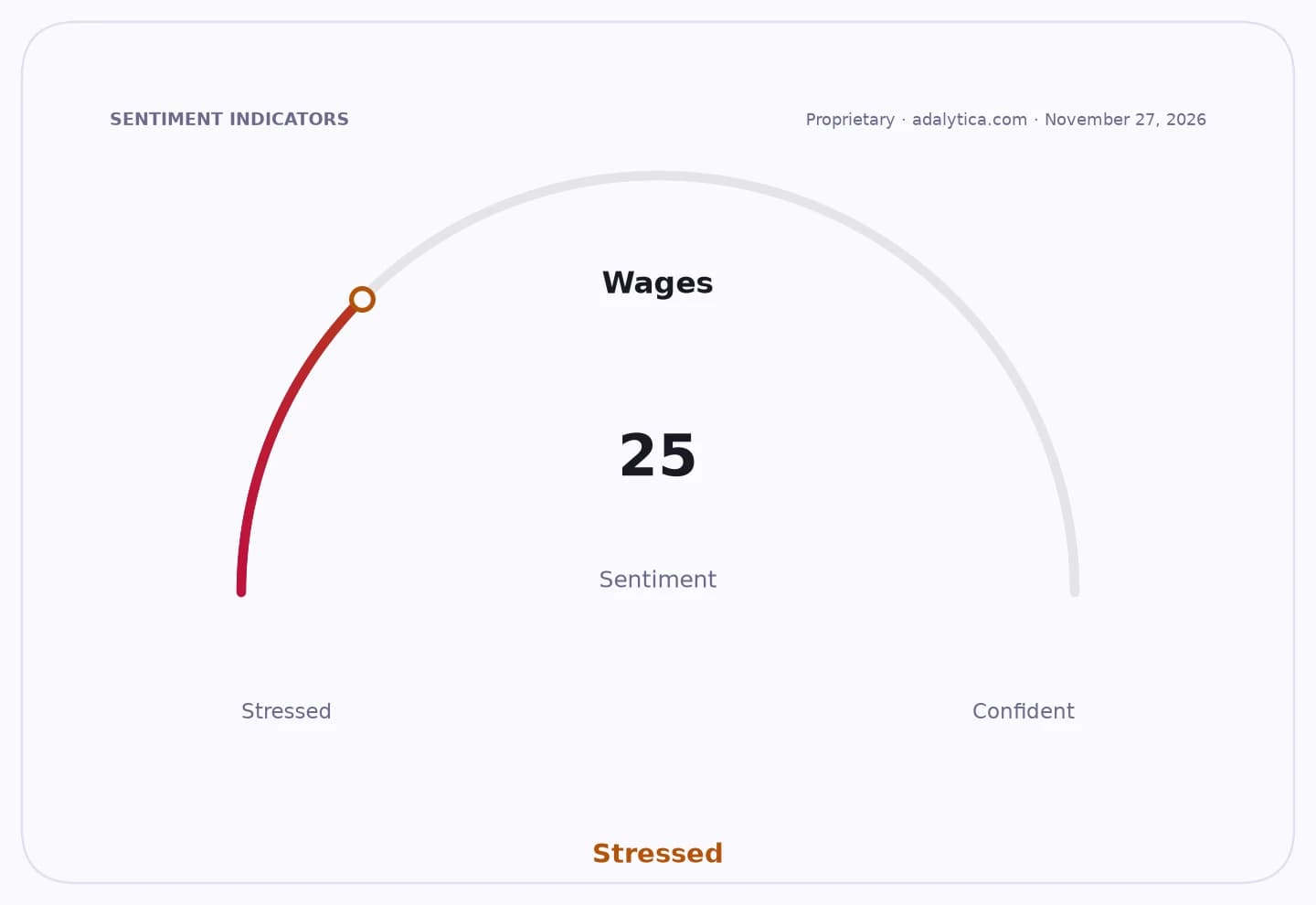
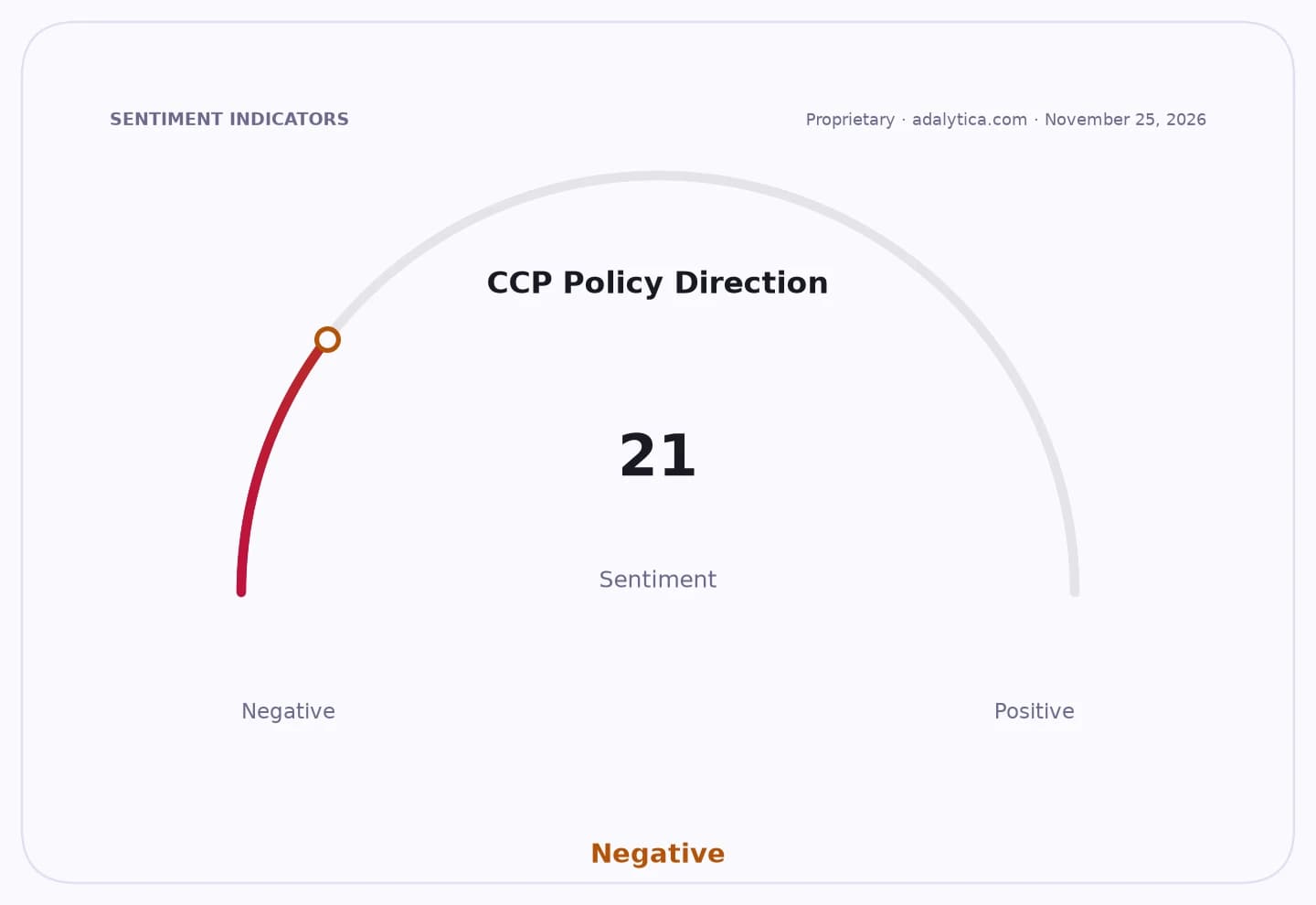
The Swiss National Bank is getting closer to a December policy decision with a new problem it would rather not have: inflation is speeding up again, and that raises the odds it may have to keep rates tighter for longer than investors expected.
Swiss Inflation Rises Ahead of SNB December Decision
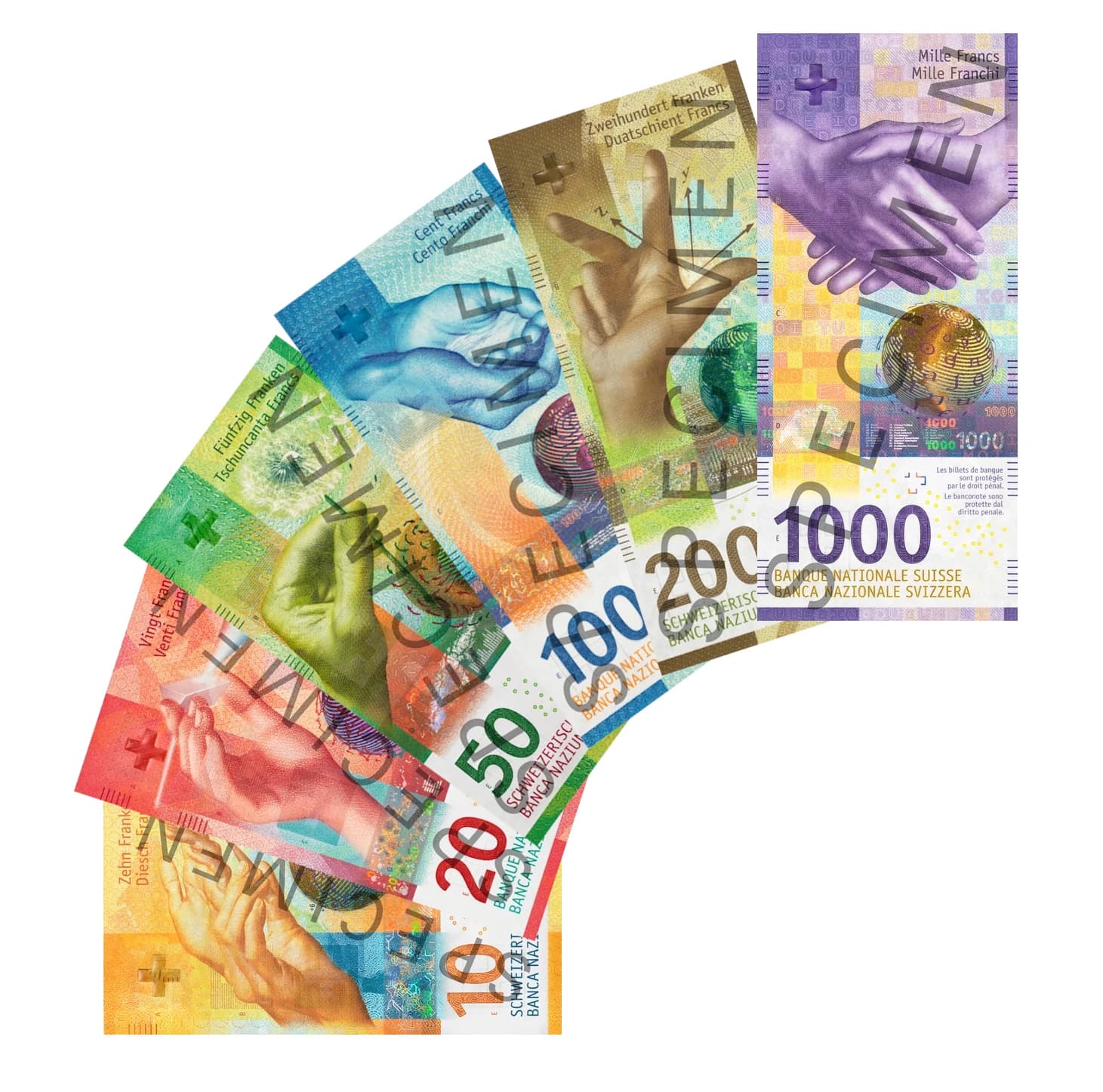
That matters because Switzerland has spent much of this year as one of the developed world’s calmer inflation stories. Now annual consumer prices have accelerated to 1.5% in October from 1% in September, a sharper move than markets had anticipated and still comfortably within the central bank’s 0% to 2% target band. Even so, the direction of travel is what matters for policymakers, especially after SNB Vice President Antoine Martin said officials are paying close attention to the risk of a second round of inflation pressures.
Sentiment Indicators
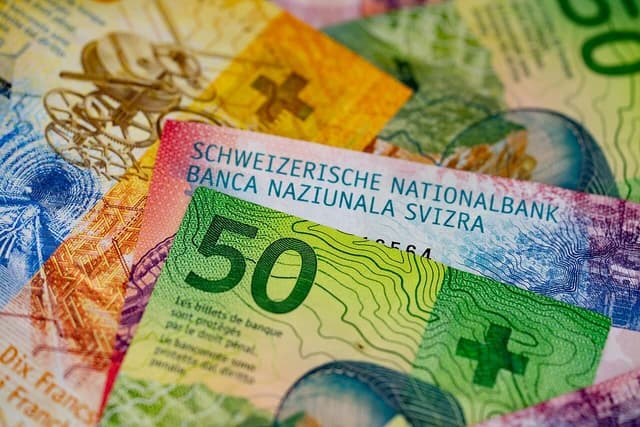
For investors, the key issue is not whether Switzerland is facing runaway prices. It is whether the SNB is being pushed back toward a more hawkish stance just as global markets had begun to price in easier policy in some corners of the world. A December rate increase is now more plausible, and that has implications for Swiss assets, the franc and rate-sensitive sectors that depend on cheaper funding.
The market reaction already points in that direction. The Swiss franc strengthened sharply in October, helped by turbulence tied to AI-driven market swings, higher energy prices and renewed concern about French public debt. On the FXF currency ETF, which tracks the franc, the fund was trading around 105.27 on Nov. 24 after sliding from 115.98 in late January, showing how fast sentiment has swung this year. The franc itself has also remained close to its long-run safe-haven identity, with the dollar-franc pair around 1.20 and the euro-franc rate near 0.92 to 0.93 in recent sessions.

That safe-haven appeal is a double-edged sword for Switzerland. A stronger franc helps contain imported inflation, but it also threatens exporters, tourism operators and multinationals that earn abroad and report back into Swiss francs. Martin underlined that foreign-exchange swings remain the central bank’s “main risk,” a reminder that the SNB is not just watching the consumer-price index. It is also trying to balance inflation control against currency strength.
The political and financial backdrop adds another layer. Martin reiterated support for a government proposal that would require UBS to fully capitalize its overseas subsidiaries, part of a broader regulatory overhaul after Credit Suisse collapsed in 2023. UBS has pushed back, calling the proposal excessive and warning it could hurt competitiveness, even as speculation persists that it could shift its headquarters abroad. For investors in UBS, the issue matters because tighter capital rules can crimp returns, reduce flexibility and reshape the economics of Switzerland’s largest bank.
For long-term investors, the bigger lesson is that Switzerland’s stability is not the same as stasis. Inflation has reappeared, the franc is moving like a classic refuge asset again, and the SNB may have less room to stay passive than markets assumed. If December brings a hike or a stronger signal that policy will stay restrictive, that would support the franc but keep pressure on exporters and banks already navigating a tougher regulatory landscape. The SNB decision is worth watching closely, not for drama, but because even modest policy shifts in Switzerland can ripple through currencies, financials and defensive global portfolios.
| Entity | Gains | Losses |
|---|---|---|
| Swiss National Bank | ▲Credibility on inflation | ▼Room to stay dovish |
| Swiss franc holders | ▲Safe-haven support | ▼Importers and exporters facing FX swings |
| UBS | ▲Potentially if rules ease later | ▼Higher capital demands and lower flexibility |
| Swiss exporters | ▲Weaker franc if SNB pauses | ▼Stronger franc and tighter policy |