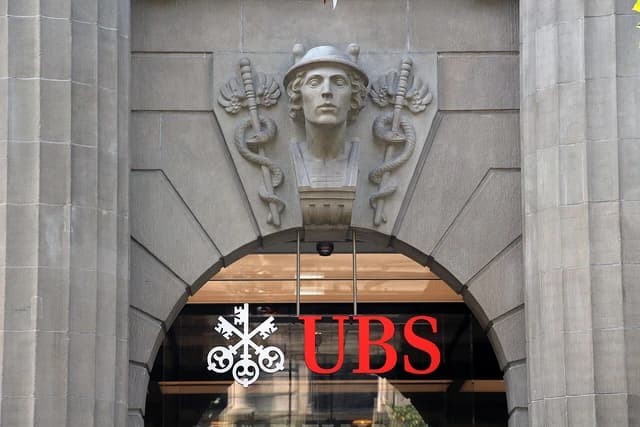
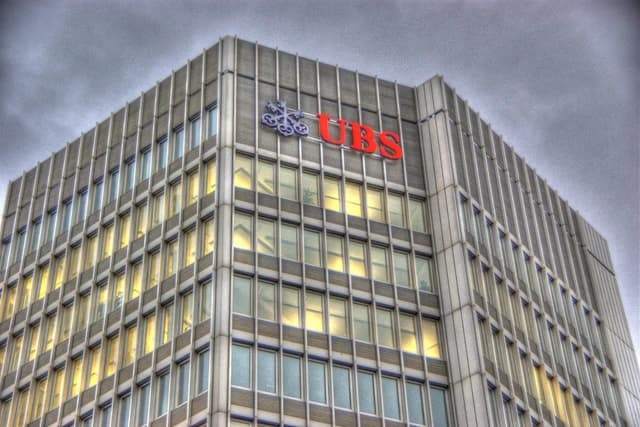
UBS Group AG slid 3.8% as the Swiss National Bank signaled it is watching inflation closely for signs that price gains are spreading through the economy, raising the odds of a more consequential policy debate at next month’s rate decision.
UBS Falls as SNB Inflation Watch Intensifies

The move matters because Switzerland has kept policy at 0% even as inflation has accelerated, leaving the SNB under pressure to prove it will not fall behind a renewed price pickup. Vice Chairman Antoine Martin told the NZZ am Sonntag the central bank is focused on “second-round effects” — a term policymakers use for wage and price increases that can entrench inflation even after the initial shock fades.
Sentiment Indicators
That makes the December meeting a key event for Swiss assets. If the SNB decides inflation is becoming sticky, it could have to abandon its long-held neutral stance sooner than markets expect, pushing up borrowing costs for households and companies and lifting volatility in the franc. A more hawkish turn would also support rate-sensitive financial stocks in one sense, but it can hurt loan demand and reduce the value of long-duration assets across the market.
The backdrop is not benign. Swiss consumer prices have been edging higher, with the latest available reading at 337.476 on the CPI index, and economists are watching whether energy, services and wage growth start feeding each other. That is the scenario central bankers fear most, because it can keep inflation elevated even after external pressures ease.
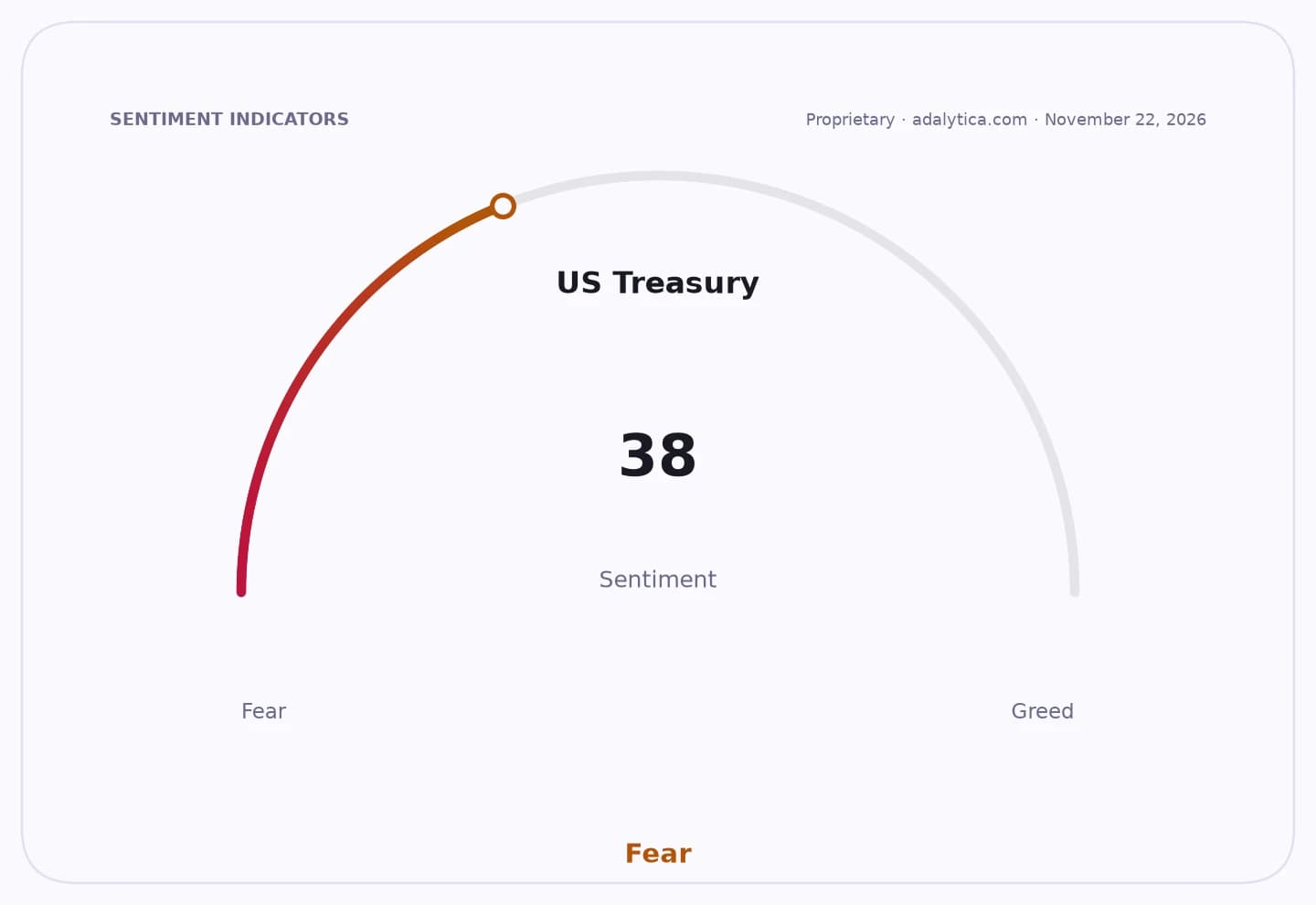
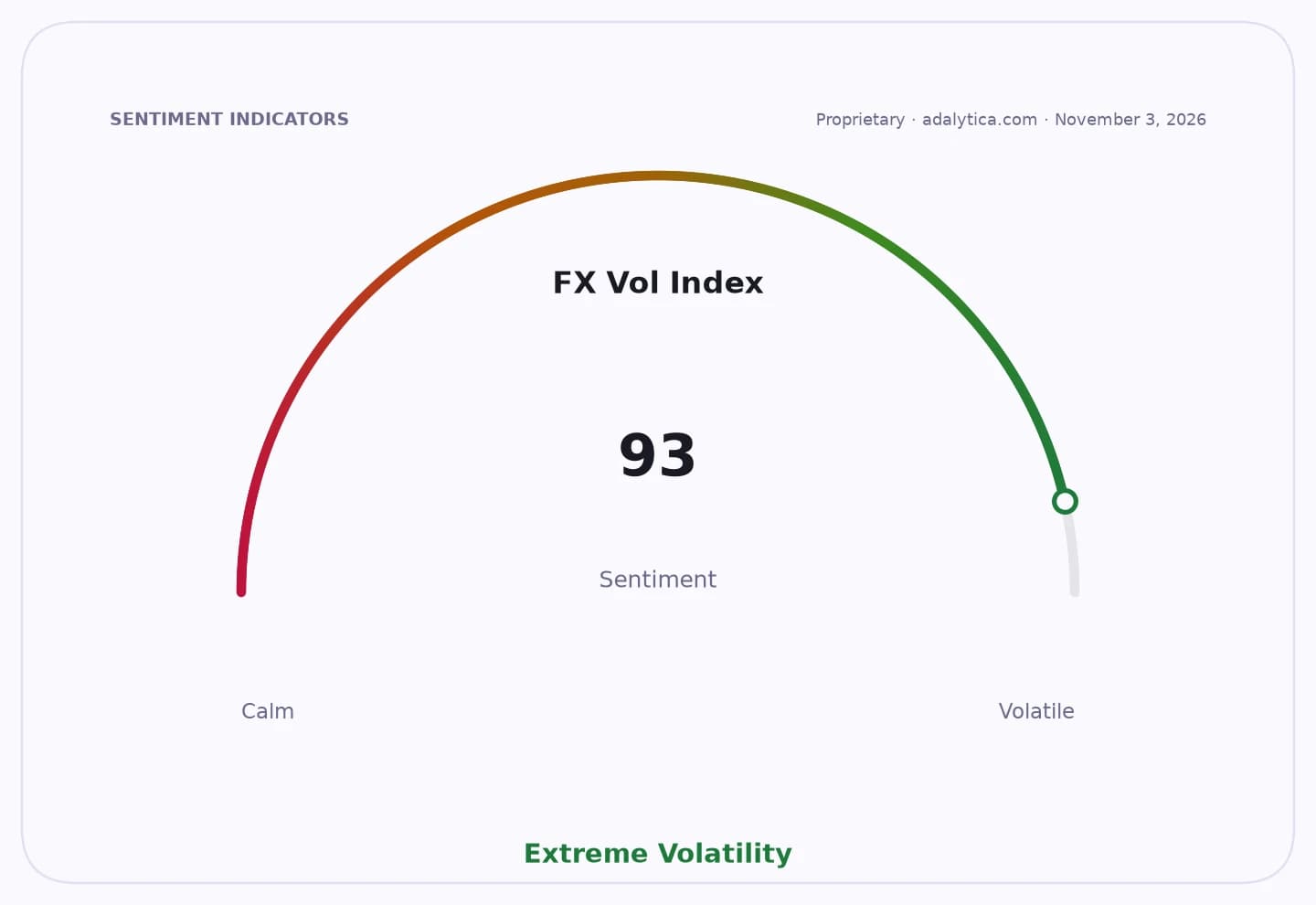
Bond markets are already repricing some of that risk. US two-year Treasury yields have climbed to 4.63% and the 10-year is near 4.92%, underscoring that global yields remain sensitive to any sign inflation could prove sticky. The dollar has also shown sharp swings in sentiment gauges, a reminder that central bank expectations can quickly ripple through currencies and cross-border capital flows.
For UBS, the immediate market reaction reflects broader risk aversion around Swiss policy rather than a company-specific shock. But the bank is exposed to the shape of Swiss rates through wealth management flows, deposit pricing and capital-market activity, so any surprise from the SNB could affect sector earnings expectations.
UBS shares were already trading below their recent highs, closing at 44.88 on Monday after falling below the 50-day moving average. The stock’s relative strength index has eased to 39.4 from overbought levels earlier in the year, suggesting momentum has cooled as investors reassess the macro outlook.
The next catalyst is the SNB’s December decision and any fresh inflation data before then. If price pressures keep building, markets may have to price in a faster policy shift — and UBS, along with the rest of Switzerland’s rate-sensitive market, could feel the impact first.
| Entity | Gains | Losses |
|---|---|---|
| SNB hawks | ▲Credibility on inflation | ▼Risk of slower growth |
| Borrowers in Switzerland | ▲— | ▼Higher funding costs |
| UBS shareholders | ▲Potentially higher rate income | ▼Macro uncertainty, weaker sentiment |
| Swiss franc bulls | ▲Tighter policy support | ▼Exporters facing stronger currency |