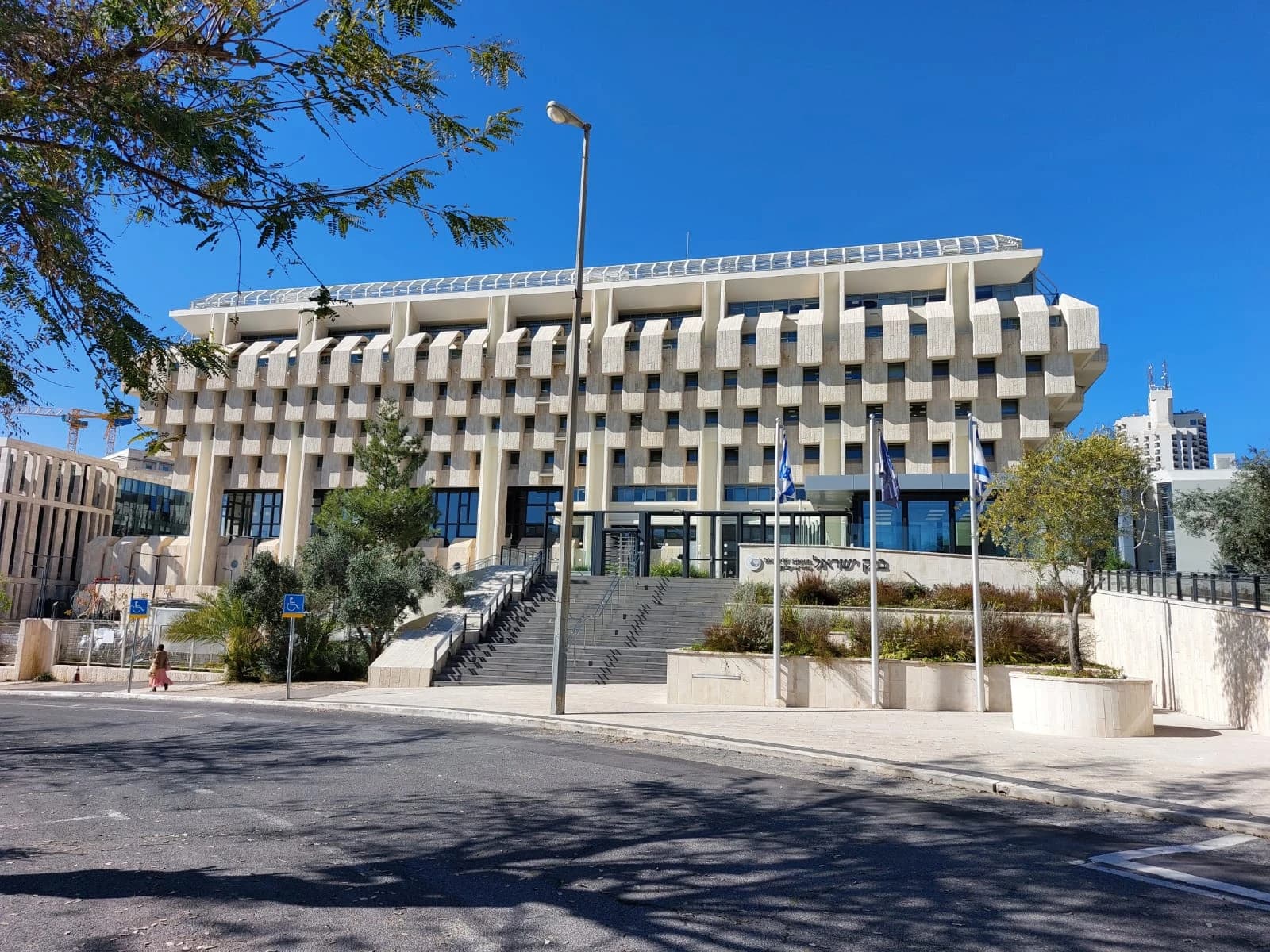
The Bank of Israel kept its benchmark rate unchanged at 3.25%, choosing caution over another cut as an election approaches and geopolitical risks still cloud the outlook for inflation, the fiscal deficit and the shekel.
Bank of Israel Keeps Rate at 3.25%
The decision was widely expected, with all 15 economists surveyed by Reuters forecasting no move. But the more important message is that policymakers are not rushing to ease further even with inflation still inside the 1% to 3% target band, after annual price growth edged up to 1.6% in September from 1.5% in August. That leaves the central bank balancing a still-supportive policy stance against the risk that higher defense outlays and political uncertainty could reignite price pressures.
Sentiment IndicatorsⓘProprietary · adalytica.com · October 27, 2026
This is a snapshot — live sentiment, awareness and momentum for 130+ markets update continuously in the dashboard.Open AlphaPulse
For investors, the hold reinforces the view that Israel’s rate cycle is becoming increasingly data- and risk-dependent rather than purely inflation-driven. The shekel has already weakened, with the Bank of Israel noting that the risk premium remains near levels seen before the Oct. 7, 2023, attacks, even as geopolitical tensions remain elevated. A softer currency can support exporters, but it also raises imported inflation risks and limits the scope for more aggressive easing.
The bank’s message also has fiscal implications. By flagging uncertainty around defense spending, it is effectively warning that a wider deficit could complicate the inflation outlook and restrain monetary flexibility. That matters because markets will be watching whether the next government leans toward looser fiscal policy just as the central bank is trying to preserve credibility on price stability and anchor longer-term rates.
The growth forecast upgrade offers a partial offset. The bank now sees GDP expanding 5.6% in 2026 and 7.5% in 2027, helped by what it expects will be a large contribution from overseas production by Israeli firms. Excluding that foreign output, growth is projected at 3.4% and 5.1% respectively, still solid but far less explosive. That split matters for investors because it suggests headline growth may overstate the domestic demand picture and the earnings environment at home.
The broader narrative is of an economy that remains resilient enough to avoid emergency easing, but still too fragile politically and geopolitically for the central bank to signal a clear cutting cycle. The next catalysts are the election, the shape of the new budget and any further move in the shekel. Until then, the Bank of Israel looks set to stay in wait-and-see mode.
| Entity | Gains | Losses |
|---|---|---|
| Bank of Israel | ▲Policy flexibility | ▼Pressure to cut rates |
| Shekel exporters | ▲Softer currency boost | ▼Higher import costs |
| Borrowers | ▲Stable financing conditions | ▼Faster debt relief |
| Government budget hawks | ▲Rate pause helps credibility | ▼Defense spending scrutiny |