The Bank of Israel kept its benchmark interest rate at 3.25% for a second straight meeting, underscoring how political uncertainty, a weaker shekel and lingering geopolitical risk are now doing the work that inflation once did in keeping policy on hold.
Bank of Israel keeps rate at 3.25%
For investors, the decision matters because it pushes back the timing of further monetary easing in an economy that had already begun to cut rates earlier this year. The central bank had reduced borrowing costs in November and January, paused during the conflict with Iran over supply-driven inflation concerns, then resumed cuts in May, July and September before leaving rates unchanged in late October, just ahead of Israel’s inconclusive election. By standing pat again, the bank is signaling that policy is being constrained less by domestic growth than by the risk that renewed regional conflict or political deadlock could destabilize prices and the currency.
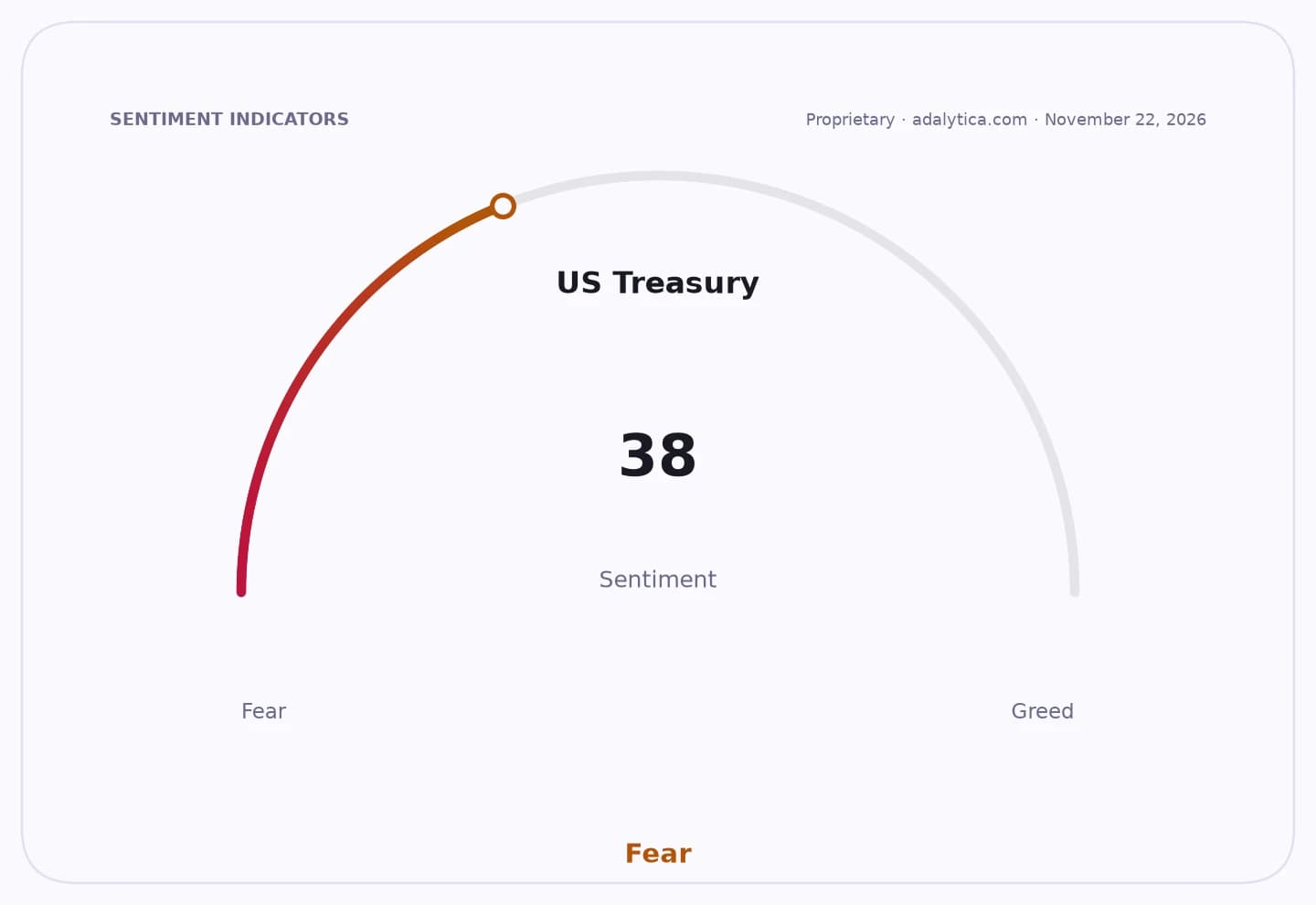
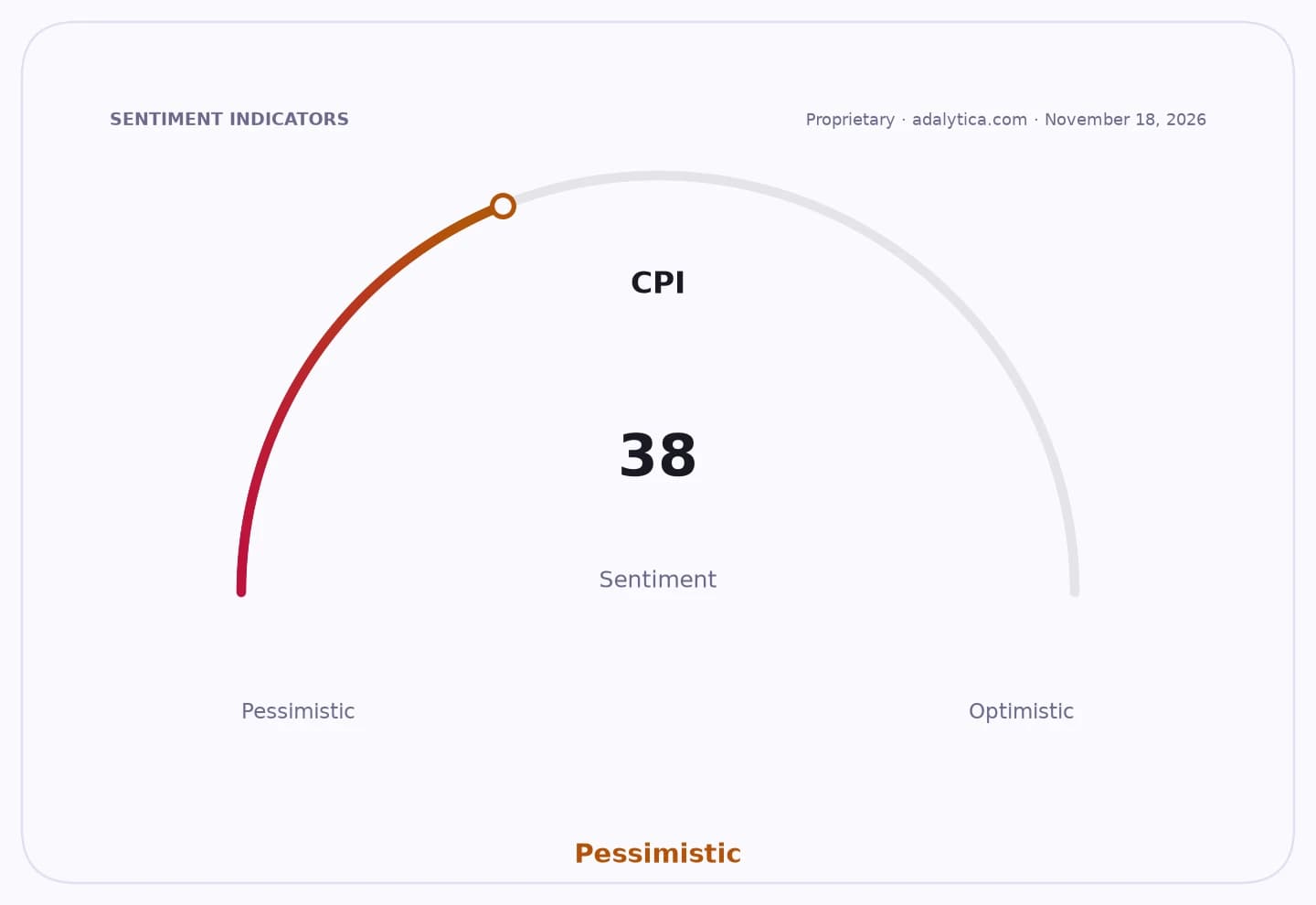
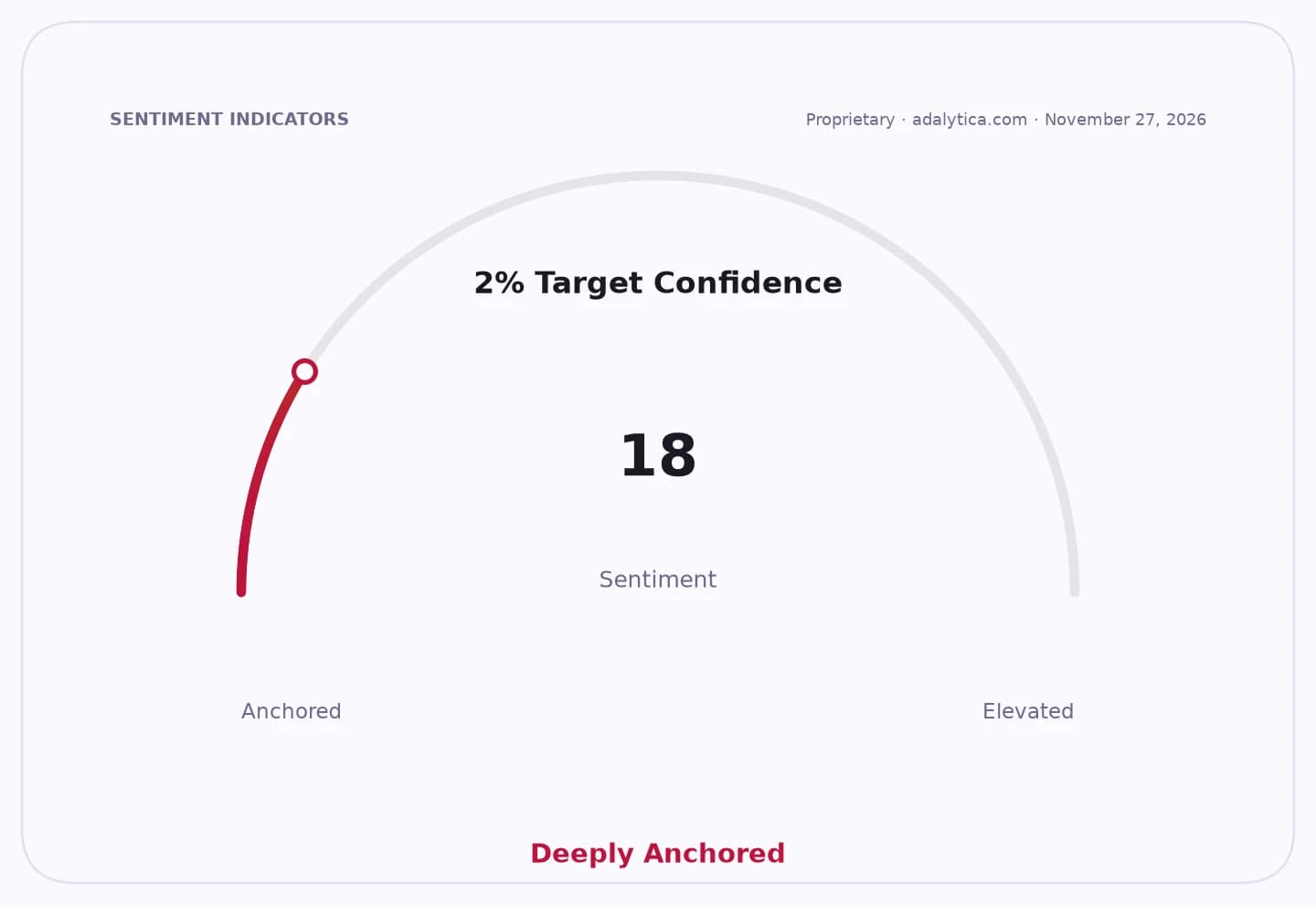
Sentiment Indicators
The shekel’s recent slide shows why that caution matters. The currency has fallen almost 8% against the dollar since the previous decision on Oct. 21, briefly touching 3.35 before recovering to around 3.29 after the latest announcement. That move helped support Israeli assets in the short term, but it also raises imported inflation risks and complicates the central bank’s room to cut further. The bank said uncertainty remains high at home and abroad, with geopolitical tensions still elevated.
Inflation is not yet a crisis, but it is no longer a clean argument for faster easing either. Annual consumer price growth slowed to 1.1% in October from 1.6% in September, staying inside the official 1% to 3% target band. Even so, the central bank said inflation is expected to move above 2% next year, with the outlook dependent on geopolitical developments, energy prices, the risk premium on Israeli assets, the exchange rate, demand and supply constraints, and fiscal developments.
The policy pause also reflects the external rate backdrop. The Bank of Israel pointed to market pricing for the Federal Reserve and European Central Bank that implies continued global tightening, which limits how aggressively it can ease without risking capital outflows or additional pressure on the shekel. That global caution comes at a time when U.S. rates remain high enough to keep the dollar supported and Treasury yields elevated, increasing the cost of standing out as an outlier on easing.
For bond and currency markets, the near-term message is that Israeli rates are likely to stay restrictive until there is more clarity on the political transition and regional security. For equities, the decision is a mixed read: a steady policy rate helps avoid a sharper currency slide, but it also keeps financing costs elevated for households and businesses and delays any broader boost from cheaper credit.
The bull case is that inflation stays contained, the shekel stabilizes and political clarity eventually opens the door to more rate cuts. The bear case is that renewed conflict or a prolonged government vacuum weakens the currency further, forces the central bank to stay defensive for longer, and leaves domestic demand under pressure. In that sense, the Bank of Israel’s hold is less about the current inflation print than about how fragile the policy backdrop has become.
| Entity | Gains | Losses |
|---|---|---|
| Bank of Israel | ▲Policy flexibility | ▼Faster rate cuts |
| Shekel bulls | ▲Short-term support | ▼Weaker currency bias |
| Borrowers | ▲None immediately | ▼Lower borrowing costs |
| Importers | ▲Stabilized FX backdrop | ▼Higher imported inflation |