Iceland’s central bank is keeping its policy rate at 8% and betting it can still cool inflation without inflicting much more damage on a weakening economy.
Iceland Central Bank Keeps Rate at 8% on Inflation
CPI
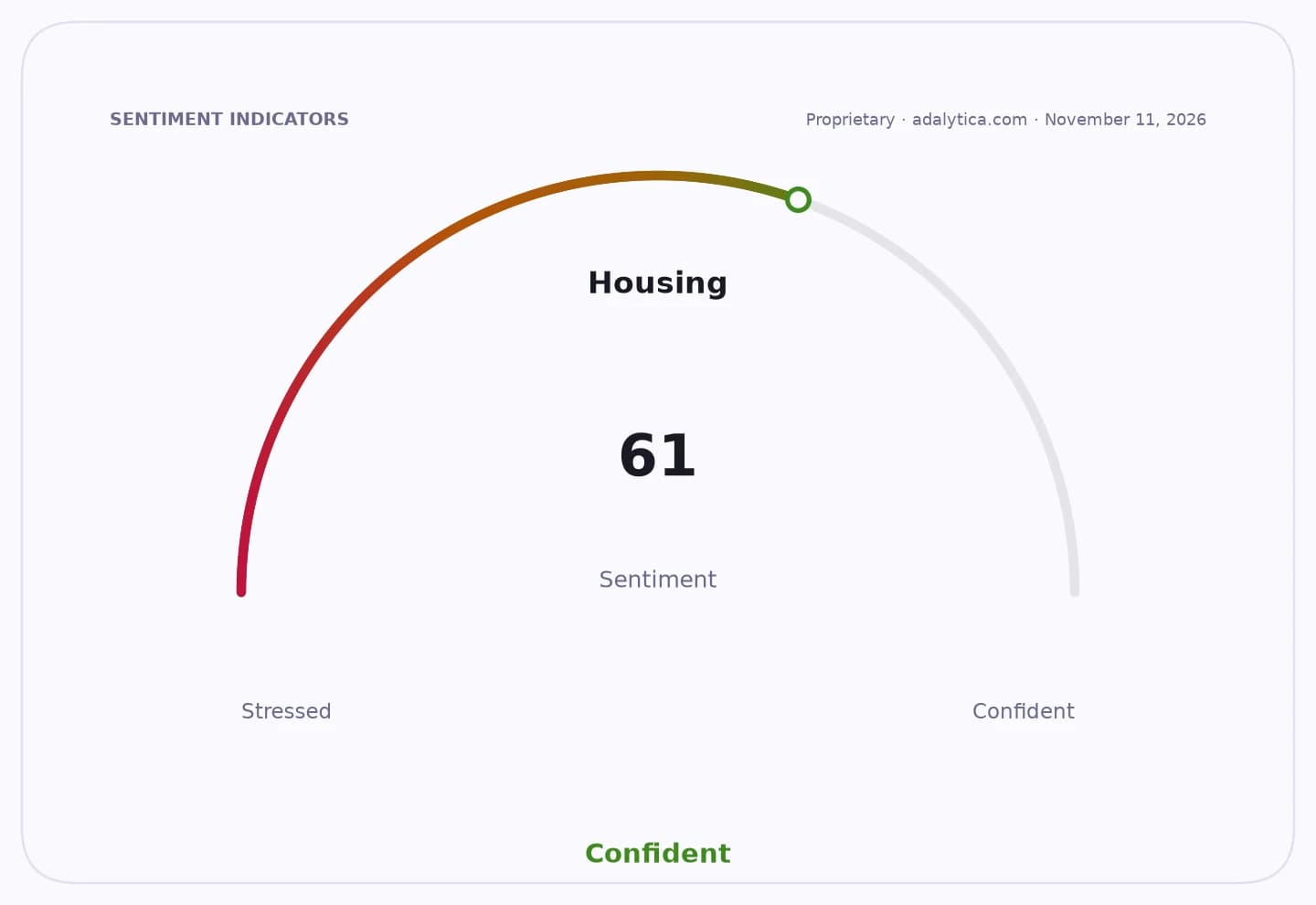
The decision underscores the bind facing policymakers: consumer inflation is still running at 5.9%, well above the bank’s 2.5% target, but tighter credit is already weighing on activity, especially in housing and construction. With house prices and rents falling in real terms, unsold apartments building up and developers struggling, officials are reluctant to ease too soon even as the real economy softens.
Sentiment Indicators
Governor Ásgeir Jónsson said the bank’s room to maneuver remains limited because inflation is still high and expectations are not yet back to target. He said concerns about second-round effects, including wage-led price pressure, have eased somewhat after collective wage agreements held and inflation expectations fell below pre-war levels, but not enough to justify a cut.
Deputy Governor Þórarinn G. Pétursson said the earlier rate increase had worked as a pre-emptive move, but warned that the economy is “clearly weakening considerably.” His comments highlight the central bank’s balancing act: keep pressure on prices without pushing the economy into a deeper slowdown.
For investors, the message is that Icelandic borrowing costs are likely to stay elevated until inflation and expectations move closer to target. That keeps pressure on mortgage demand, property developers and other rate-sensitive sectors, while supporting the krona and preserving the central bank’s anti-inflation credibility.
The next market test is whether incoming data confirm that inflation is easing fast enough to give policymakers room to move, or whether persistent price pressures force the bank to keep rates restrictive for longer.
| Entity | Gains | Losses |
|---|---|---|
| Icelandic central bank | ▲Anti-inflation credibility | ▼Growth and easing flexibility |
| Lenders/creditors | ▲Higher policy-rate carry | ▼Demand from borrowers |
| Homebuyers/developers | ▲— | ▼Mortgage costs and weak housing market |
| Consumers and workers | ▲Slower inflation later | ▼Near-term credit tightness |