Sweden’s inflation cooled more than expected in October, strengthening the case for a more cautious Riksbank policy path as price pressures ease back toward target.
Sweden Inflation Cools More Than Expected in October
Statistics Sweden said its preliminary CPIF measure fell to 1.1% from 1.5% in September, below the 1.4% economists had expected. The broader CPI gauge, which includes mortgage-rate effects, also eased to 0.9% from 1.1%. The final reading is due next week.
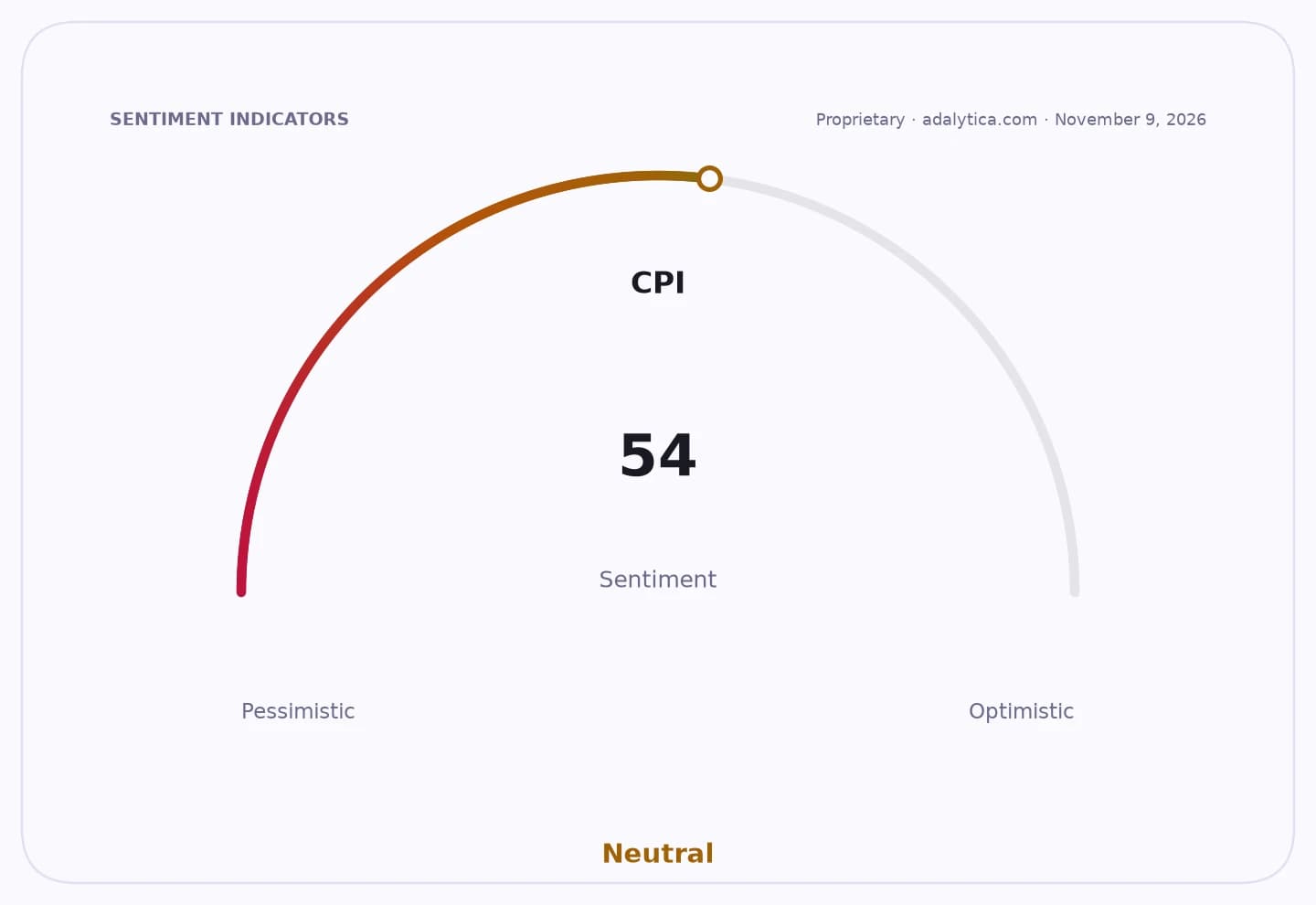
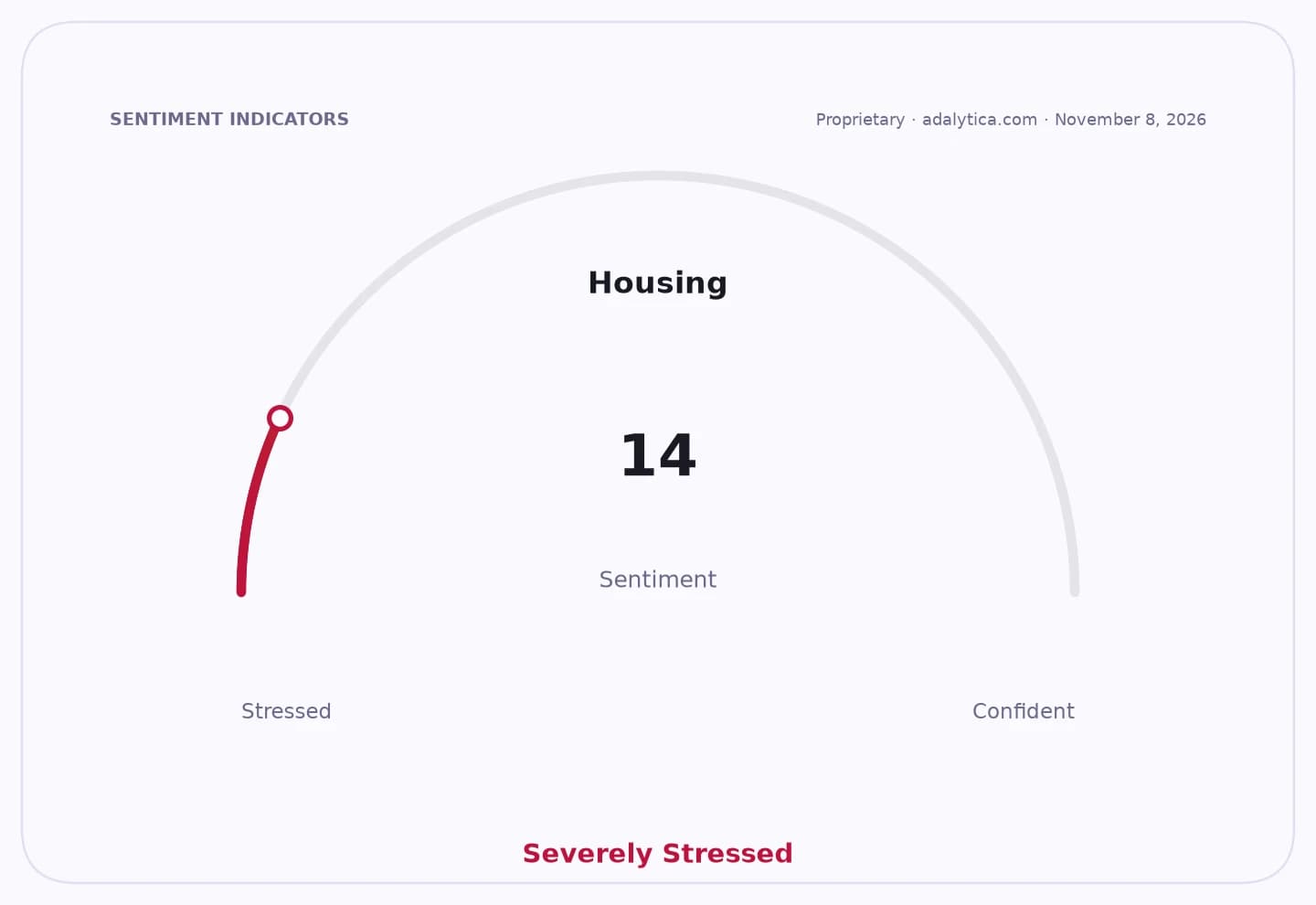
Sentiment Indicators
The number matters because CPIF is the measure the Riksbank uses to guide policy, and an undershoot tends to reduce pressure for further tightening or even support earlier easing if growth weakens. For households, lower inflation preserves purchasing power after a prolonged squeeze from the cost-of-living shock. For the central bank, it suggests underlying price momentum may be softer than assumed, giving policymakers more room to keep rates steady if they judge the disinflation trend to be durable.
Markets will read the print primarily through the interest-rate channel. Swedish government bonds typically benefit when inflation cools faster than forecast, while the krona can weaken if investors bring forward rate-cut expectations. In the background, global inflation has been uneven, with some economies still confronting sticky price growth. Sweden’s softer reading therefore stands out as a local sign that the inflation fight may be entering a less restrictive phase.
The caution is that the data are still preliminary and do not break down what drove the move. That means the Riksbank will likely wait for the finalized figures before shifting its message. But with October inflation coming in below consensus, the bar for further tightening has moved higher, and the focus now shifts to whether the slowdown is broad enough to justify a more dovish policy stance into year-end.
| Entity | Gains | Losses |
|---|---|---|
| Swedish households | ▲Higher real incomes | ▼Less pressure from prices |
| Riksbank | ▲More room to pause | ▼Less case for tightening |
| Swedish bond investors | ▲Stronger duration bid | ▼Lower inflation hedge demand |
| Krona bulls | ▲Stable policy credibility | ▼Softer rate-hike expectations |