Swedbank is lifting its variable mortgage rate to 4.14% after Sweden’s central bank raised its policy rate by 25 basis points, passing higher borrowing costs directly to households and reinforcing pressure on a housing market already strained by elevated financing costs.
Swedbank lifts variable mortgage rate to 4.14%
Housing
The bank said the new list price for a floating-rate mortgage is 4.14%, up 0.25 percentage points, while other mortgage rates are unchanged. Swedbank is also raising deposit rates by the same amount, with the savings-account changes taking effect Nov. 16.
Sentiment Indicators
The move matters because Swedish mortgage borrowers are highly exposed to floating rates, so any policy tightening quickly feeds into monthly payments. That makes the latest adjustment an immediate hit to disposable income, especially for leveraged households and first-time buyers, and it can slow housing demand by making affordability worse just as rates remain at levels that have already cooled activity across multiple markets.
For Swedbank, the repricing supports net interest income in the near term, but it also risks adding to stress on credit demand if customers delay purchases or refinance less. The bank’s shares have been trading above both the 50-day and 200-day moving averages, but recent price action shows investors are watching whether higher rates can keep supporting margins without damaging loan growth.
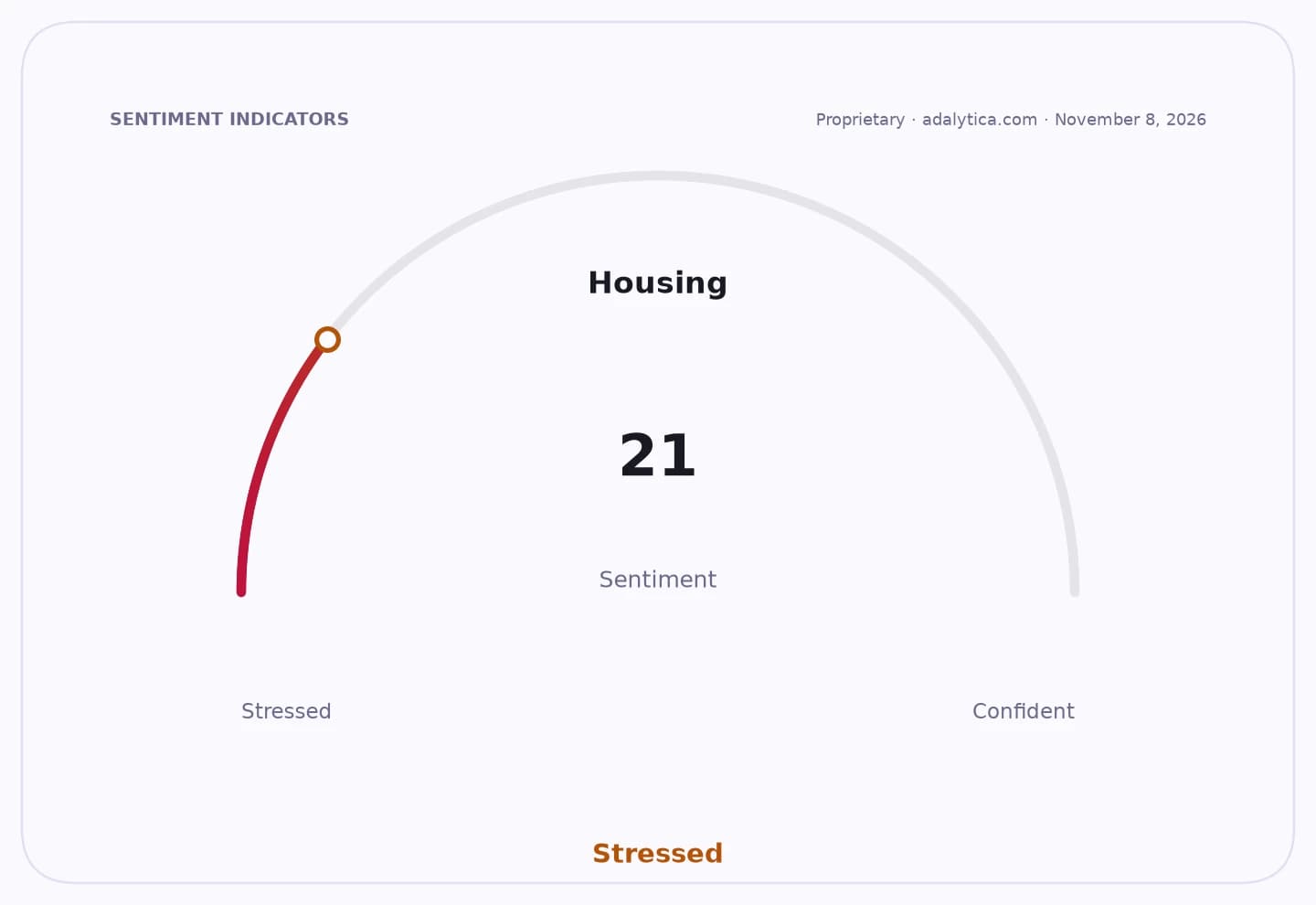
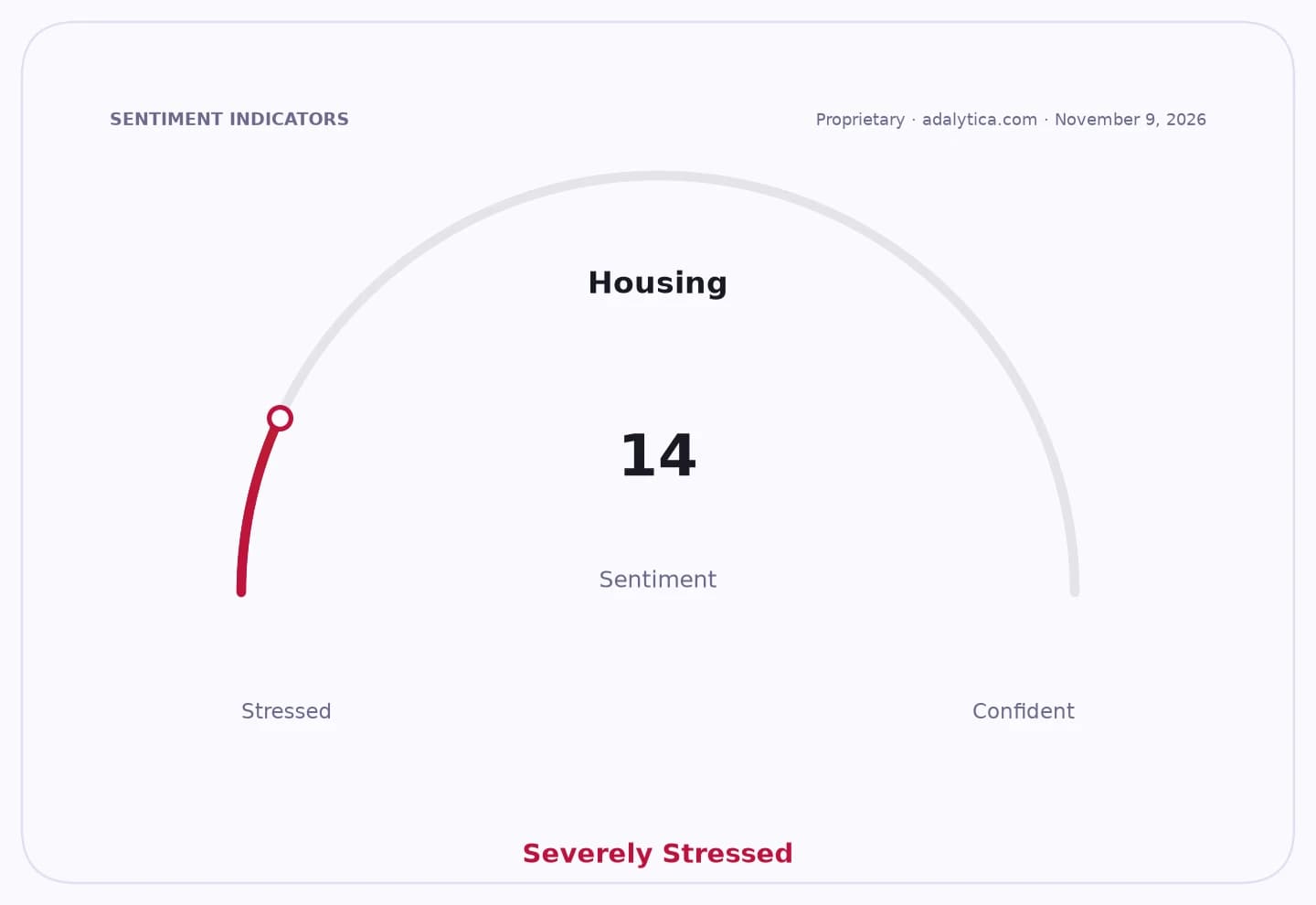
The Riksbank’s decision follows a broader global tightening backdrop, with mortgage rates internationally still near cycle highs. Adalytica’s Housing and Rent Inflation sentiment gauge remains in “Extreme Fear,” underscoring how rate-sensitive the housing outlook remains for borrowers and lenders alike.
Investors will now focus on whether Swedish banks keep passing through the increase in full and how quickly household demand softens as the higher rate filters through the economy.
| Entity | Gains | Losses |
|---|---|---|
| Swedbank | ▲Higher lending yield | ▼Weaker mortgage demand |
| Savers | ▲Higher deposit rates | ▼Borrowers’ budgets |
| Swedish homeowners | ▲Existing equity holders | ▼Higher monthly payments |
| Housing market | ▲Tighter inflation control | ▼Slower affordability and demand |