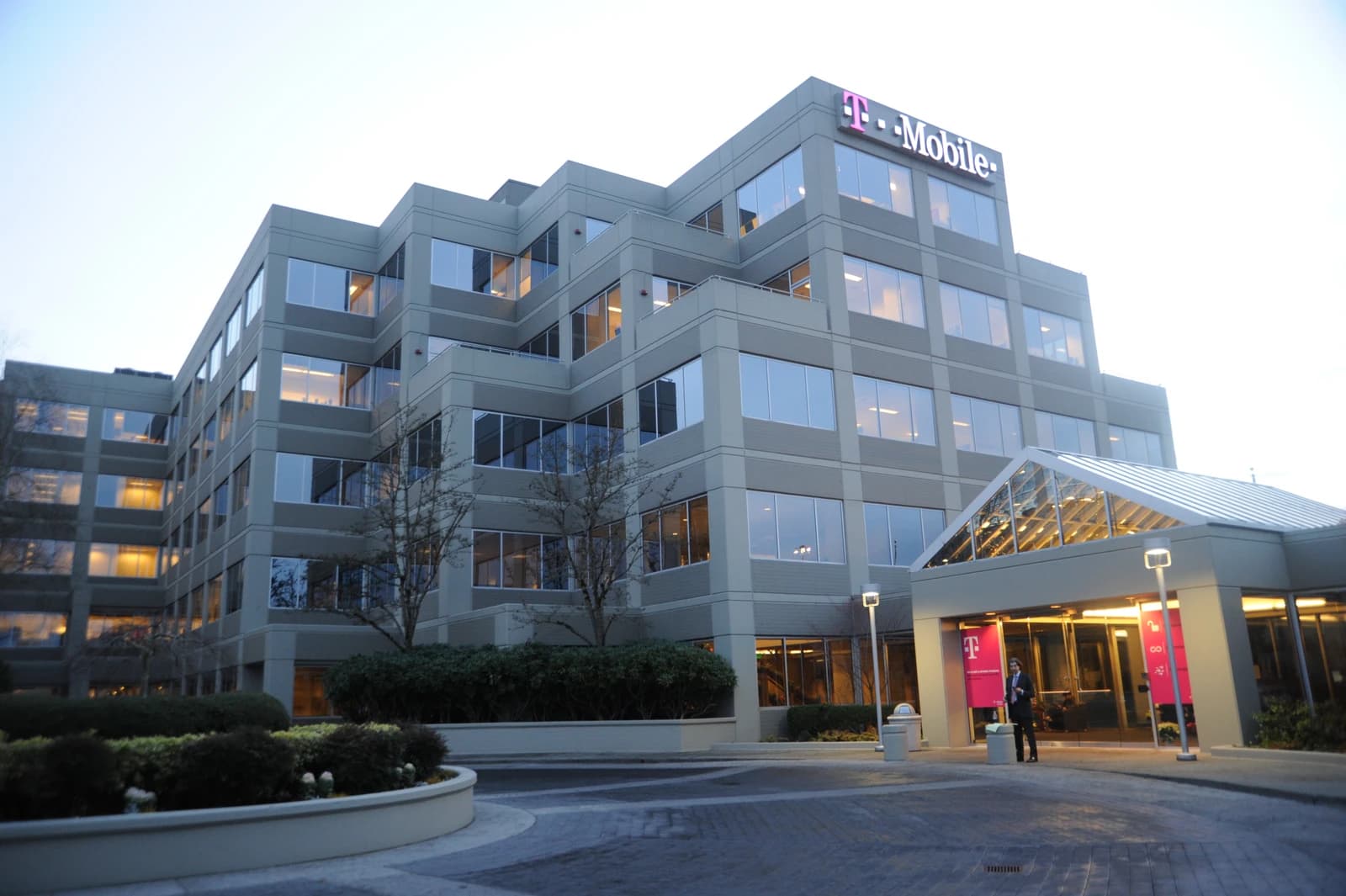
T-Mobile US remains a buy for DZ Bank, but the German broker trimmed its fair value estimate to $220 from $240, pointing to lingering uncertainty over whether Starlink can force a faster-than-expected entry into the U.S. wireless market.
T-Mobile US fair value cut to $220 by DZ Bank

The downgrade in valuation, rather than the rating, is the key signal for investors. It suggests DZ still sees T-Mobile as one of the sector’s stronger operators after a third quarter that came in ahead of consensus, but is baking in a less generous long-term earnings and market-share outlook as satellite-backed competition becomes a more credible strategic risk.
Sentiment Indicators

T-Mobile has been one of the best-performing U.S. wireless carriers on operating momentum, helped by steady account growth and rising average revenue per account. The company’s latest quarterly filing underscored that momentum, with management highlighting strong account and ARPA growth alongside industry-leading service revenue, profitability and EPS gains. It has also continued to return cash to shareholders, repurchasing nearly 5 million shares in October at an average price of $158.68.
Even so, the valuation reset reflects a market that is increasingly focused on what comes next rather than what T-Mobile has already delivered. Starlink, backed by Elon Musk’s SpaceX, is not yet a direct rival to traditional mobile carriers at scale, but any accelerated move into terrestrial wireless would challenge the industry’s pricing power, spectrum economics and customer acquisition assumptions. That matters particularly for T-Mobile, which has built a premium valuation on growth outpacing peers.
The shares have already absorbed part of that caution. T-Mobile closed at $162.01 on November 6, well below DZ’s new fair value and only modestly above its 50-day moving average of $164.96, while still far under the 200-day average of $184.88. The stock’s recent recovery from an October selloff shows investors remain willing to buy weakness, but the gap to long-term trend levels suggests confidence is not complete.
For the broader telecom sector, the note is a reminder that established carriers are still being valued on a mix of execution and defensive positioning. Verizon and AT&T have also faced pressure from shifting wireless competition and heavier capital demands, but T-Mobile’s growth premium leaves it more exposed if the market begins to price in a structural threat from satellite connectivity. The bull case remains that Starlink stays niche, T-Mobile keeps taking share and its network scale supports continued earnings growth. The bear case is that even a modest disruption forces the sector to defend margins with higher spending, heavier promotions or both.
Investors will now watch two things: whether T-Mobile can keep translating account growth into service revenue and free cash flow, and whether Starlink’s ambitions in mobile service stay theoretical or turn into a commercial threat that forces a broader re-rating of U.S. wireless.
| Entity | Gains | Losses |
|---|---|---|
| T-Mobile US | ▲Buy rating upheld | ▼Fair value cut to $220 |
| DZ Bank | ▲Maintains constructive call | ▼Greater caution on upside |
| Starlink/SpaceX | ▲Strategic optionality | ▼Faces skepticism over timing |
| U.S. wireless peers | ▲Potential pricing discipline | ▼Risk of margin pressure if rivalry intensifies |