Taiwan’s opposition-controlled legislature has approved a welfare amendment that could add about NT$40 billion a year to the National Health Insurance system, setting up a fiscal fight that matters far beyond a pre-election giveaway to older voters.
Taiwan legislature approves NHI senior premium subsidy

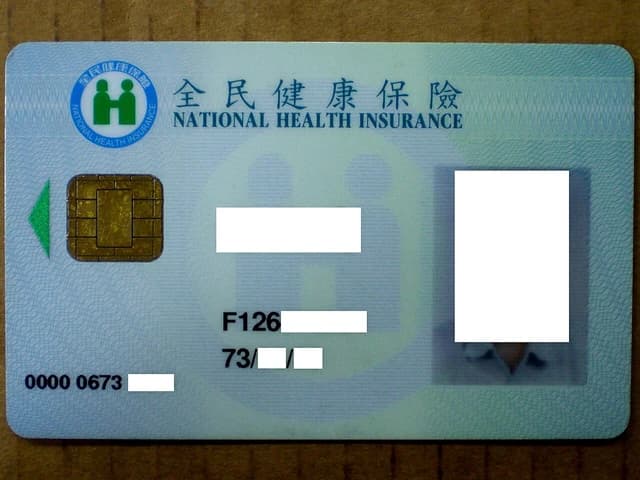
The measure would require the central government to fully subsidize NHI premiums for people 65 and older whose income falls below the tax filing threshold or is taxed at less than 20%. On paper, it looks like relief for seniors. In practice, it risks widening an already fragile funding gap in a health system under pressure from a rapidly aging population, a shrinking workforce and rising medical demand.
That is why the economics matter. Taiwan is already one of Asia’s fastest-aging societies, with people over 65 making up more than one-fifth of the population. Government projections show that share rising to 37% by 2045 and 50.4% by 2065. Broadening premium subsidies to roughly 83% of seniors because they fall under a tax test, rather than because they are demonstrably needy, would lock in a recurring cost at exactly the point when the contribution base is narrowing.
Health and Welfare Minister Shih Chung-liang warned the amendment would strain NHI finances and could crowd out support for lower-income seniors who may not qualify for public assistance. He also said about 30% of seniors in the affected tax bracket are still working and insured through their jobs, underscoring the mismatch between age-based politics and means-tested welfare.
For investors, the key question is not whether Taiwan can absorb NT$40 billion next year. It can. The issue is what happens in five or 10 years as the eligible pool expands and the contributor base shrinks. If the subsidy becomes permanent, the government will have only three ways to pay for it: higher premiums, higher taxes or cuts to other public spending. That is the kind of slow-burning fiscal pressure that eventually shows up in bond supply, domestic consumption, and policy room across the economy.
The bill also highlights an increasingly familiar Taiwan trade-off: politicians can win applause by promising benefits today while pushing the cost onto the central budget, younger workers and future administrations. The KMT and Taiwan People’s Party say moving the burden away from the NHI fund protects the system. But shifting costs from one pocket of the state to another does not make them disappear.
The market implication is that Taiwan’s public-finance debate is moving from abstract demographics to concrete budget lines, and that tends to favor companies exposed to private healthcare spending, supplemental insurance and elder care rather than broad bets on a permanently stronger welfare state. It also reinforces the case for caution on the sovereign’s long-term fiscal flexibility just as political incentives are becoming more distorted ahead of local elections.
Our thesis is simple: the market underestimates how quickly Taiwan’s aging curve can turn popular social policy into structural fiscal drag. This bill is not just about seniors’ premiums. It is a test of whether Taipei can still preserve a sustainable NHI model while politicians compete to promise benefits that the next generation will have to fund.
| Entity | Gains | Losses |
|---|---|---|
| Older voters | ▲Lower premium burden | ▼Long-term system sustainability |
| KMT/TPP lawmakers | ▲Election appeal | ▼Fiscal discipline credibility |
| Younger workers/taxpayers | ▲None | ▼Higher future taxes or premiums |
| Taiwan government/NHI fund | ▲Short-term political goodwill | ▼Budget flexibility and financial balance |