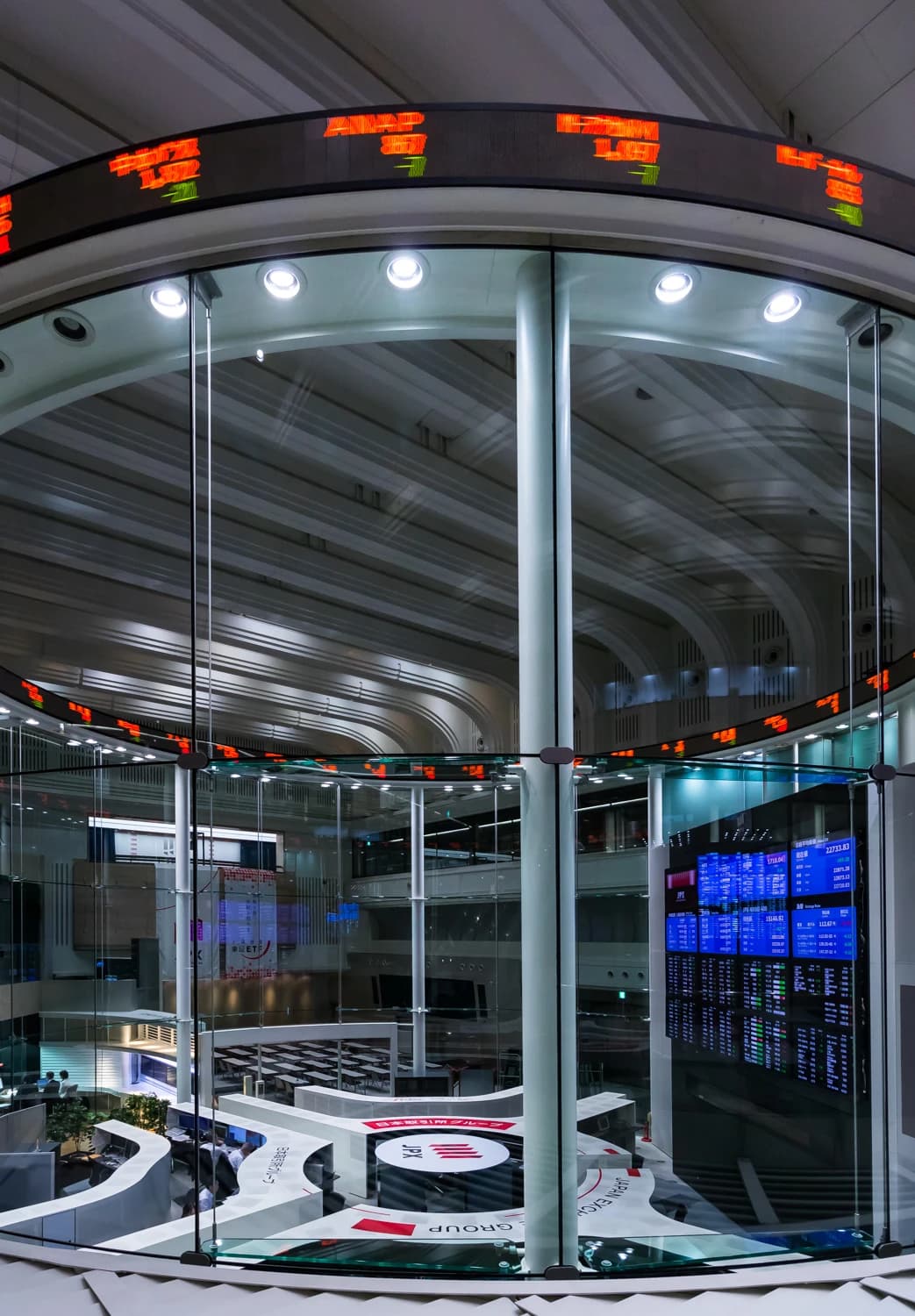
Taiwan's regulators are capping short-selling and raising margin requirements after a sharp selloff in artificial intelligence shares helped drive the Taiex to its worst week in 25 years, a move aimed at slowing volatility in one of Asia's most closely watched tech markets.
Taiwan raises short-sale limits after AI selloff
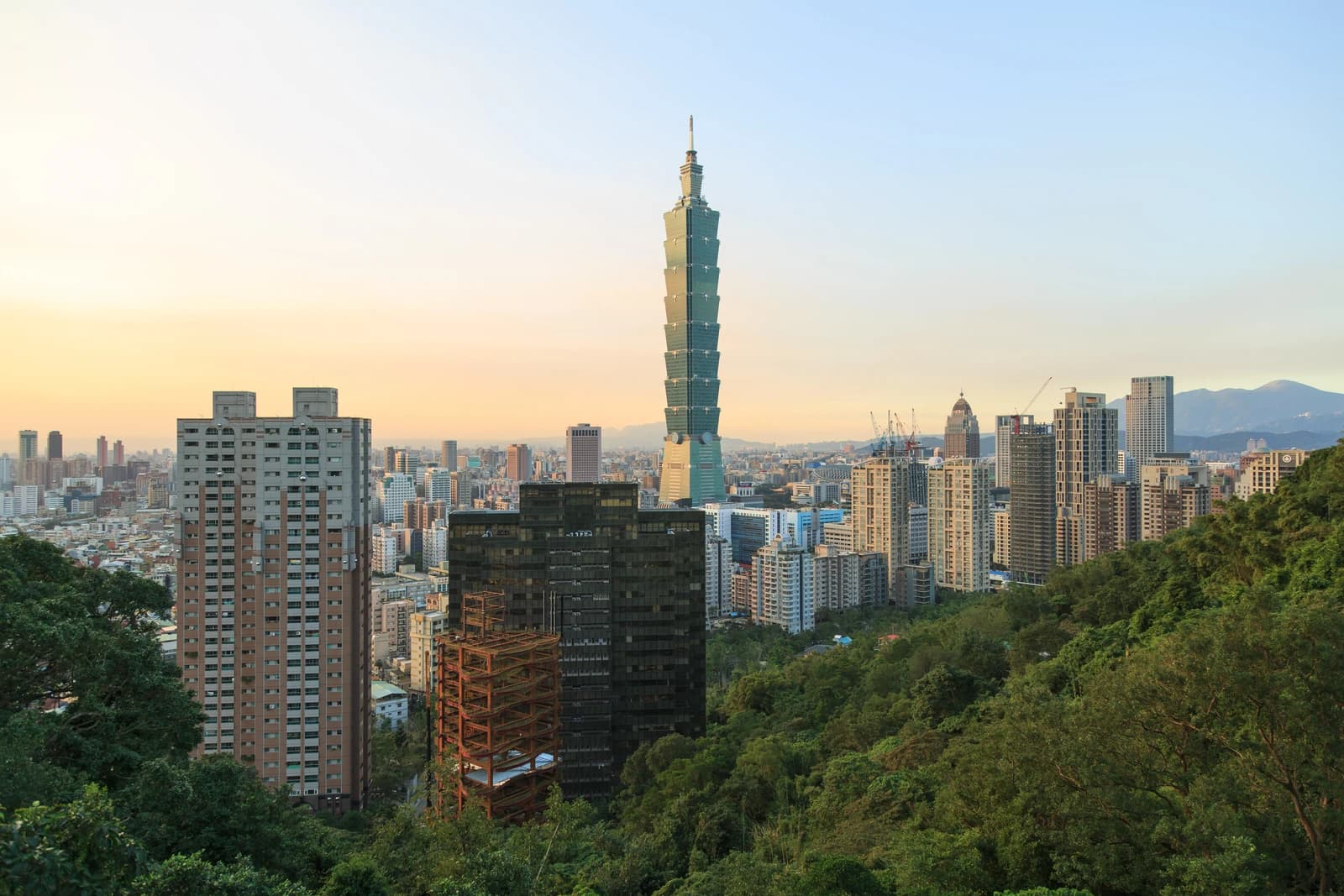
The Financial Supervisory Commission said it will limit intraday short-selling for cash and margin trades to 30% of the average trading volume over the previous 30 sessions, up from 20%. It also said the minimum margin ratio for short sales will rise to 130% from 90%, measures that take aim at bearish bets after a heavy run-up in local chip and AI names.
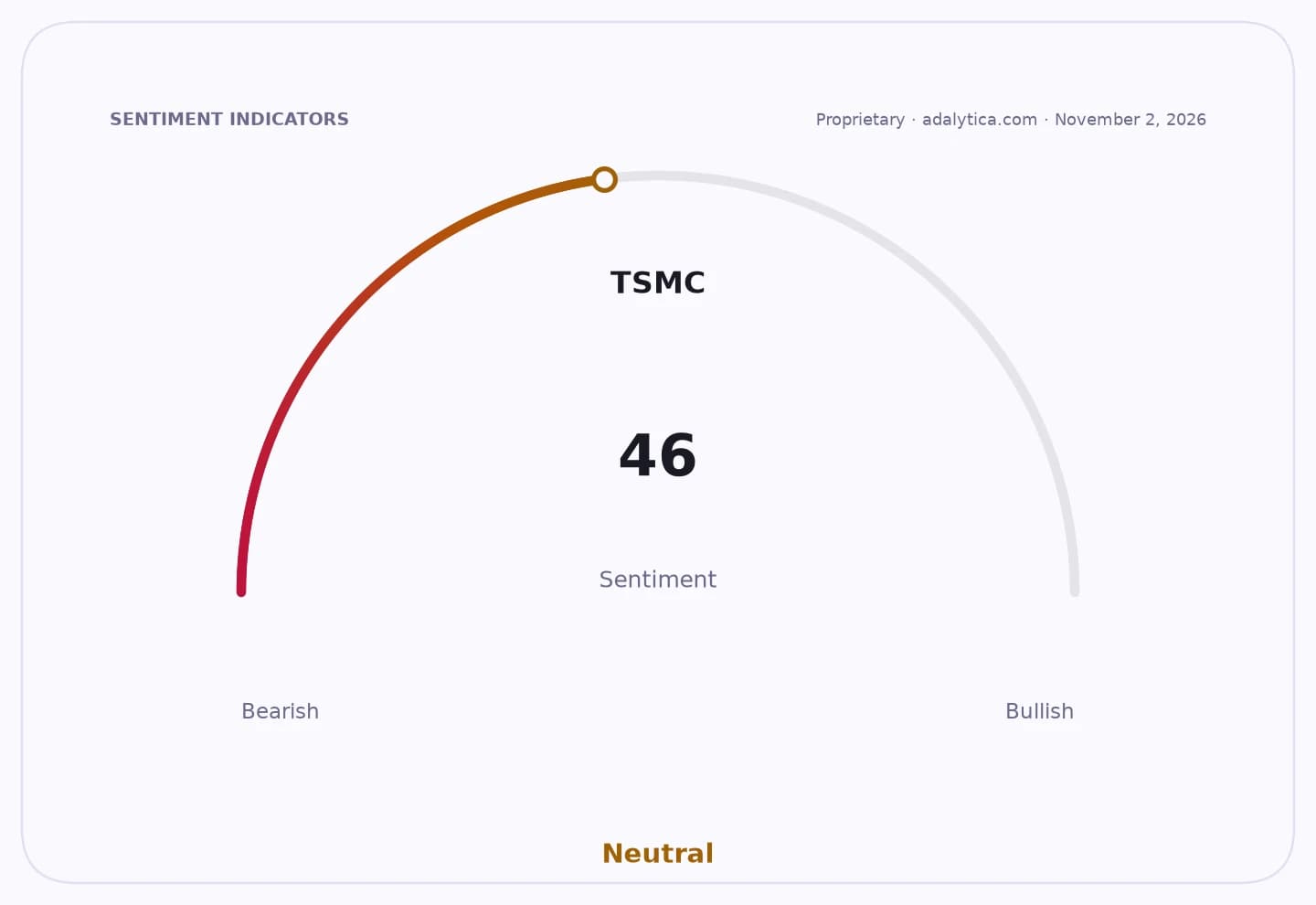
Sentiment Indicators
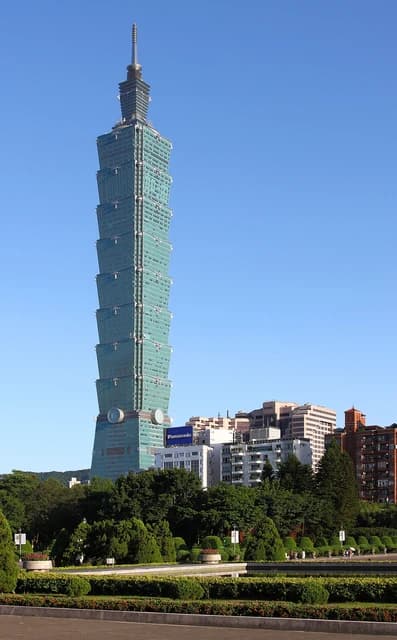
The policy response matters because Taiwan sits at the center of the global AI supply chain. The island's market is dominated by semiconductor stocks, and swings in Taiwan Semiconductor Manufacturing Co. ripple across global chip funds, regional indices and portfolio positioning in the broader tech trade.
Taiwan-listed shares tied to the sector have been under pressure, with the iShares MSCI Taiwan ETF, which tracks the local market, falling to $100.19 on Nov. 11 from $110.91 two days earlier. TSMC's U.S.-listed shares rose to $413.35 on Nov. 11 after sliding to $353.10 on Nov. 5, but the stock remains well below its recent highs and its 50-day average, underscoring how quickly sentiment has shifted.
TSMC
The broader market backdrop has turned more fragile as investors reassess how much of the AI boom is already priced into Taiwan's exporters and foundry names. Technical readings on TSMC still show the shares below the 50-day average, while the ETF tracking Taiwan has bounced from oversold levels but remains below its recent peak, suggesting the authorities are acting while the market is still digesting the selloff.
For investors, the curbs are a signal that officials are willing to step in when speculation accelerates in a market heavily exposed to global chip demand and foreign fund flows. The immediate effect is likely to be a thinner short book and potentially less intraday pressure on the Taiex, but the move also highlights how dependent Taiwan remains on a narrow set of tech winners.
The next test will be whether the restrictions stabilize trading or simply delay a deeper reset in AI valuations. Any fresh guidance from chipmakers, changes in U.S.-China technology tensions or further weakness in global semiconductor stocks could quickly override the regulatory support.
| Entity | Gains | Losses |
|---|---|---|
| Taiwan regulators | ▲More market stability | ▼Less trading flexibility |
| Long-only Taiwan investors | ▲Short-term support | ▼Fewer hedge tools |
| Short sellers | ▲— | ▼Higher costs, tighter limits |
| TSMC and AI-heavy stocks | ▲Reduced bearish pressure | ▼Still exposed to valuation reset |