Asian shares and U.S. futures rose Monday after a sharp recovery in artificial intelligence stocks on Wall Street steadied sentiment, easing concerns that the recent selloff in the sector was the start of a deeper unwind.
Taiwan stocks rise as AI shares rebound
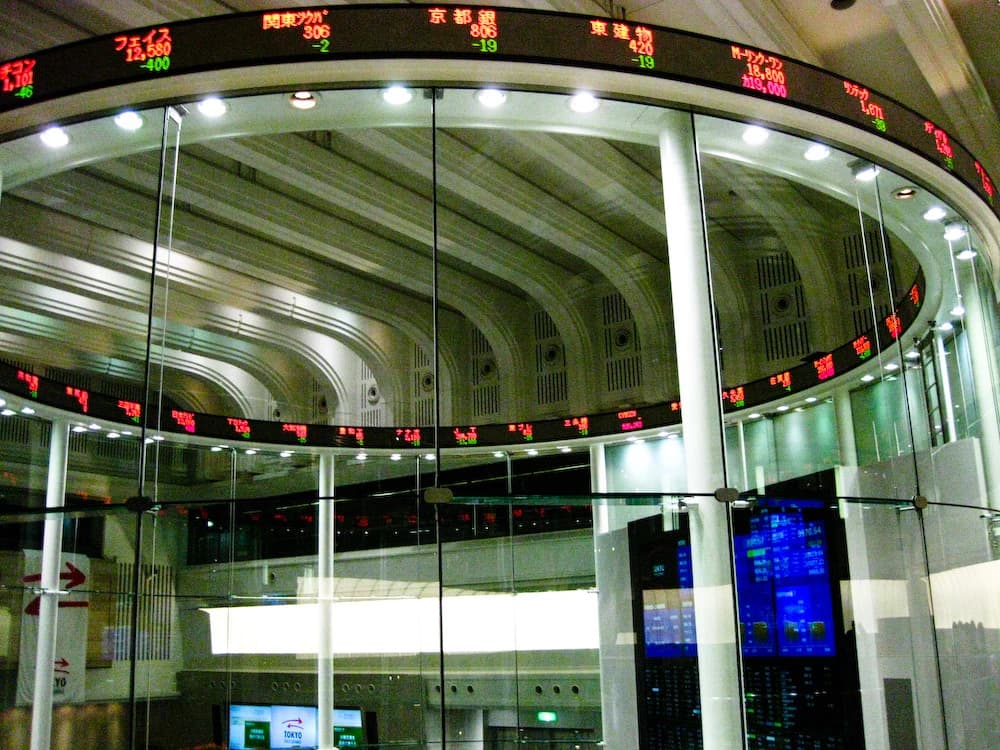
The bounce matters because AI-related chipmakers, cloud groups and data-center suppliers have become the market’s dominant growth trade, and when they swing, they can move broad equity benchmarks and risk appetite well beyond the technology complex. A renewed bid for the group suggests investors are still willing to fund the AI buildout, even after last week’s pullback raised questions about valuation, leverage and whether spending on the infrastructure boom is getting ahead of near-term returns.
Sentiment Indicators
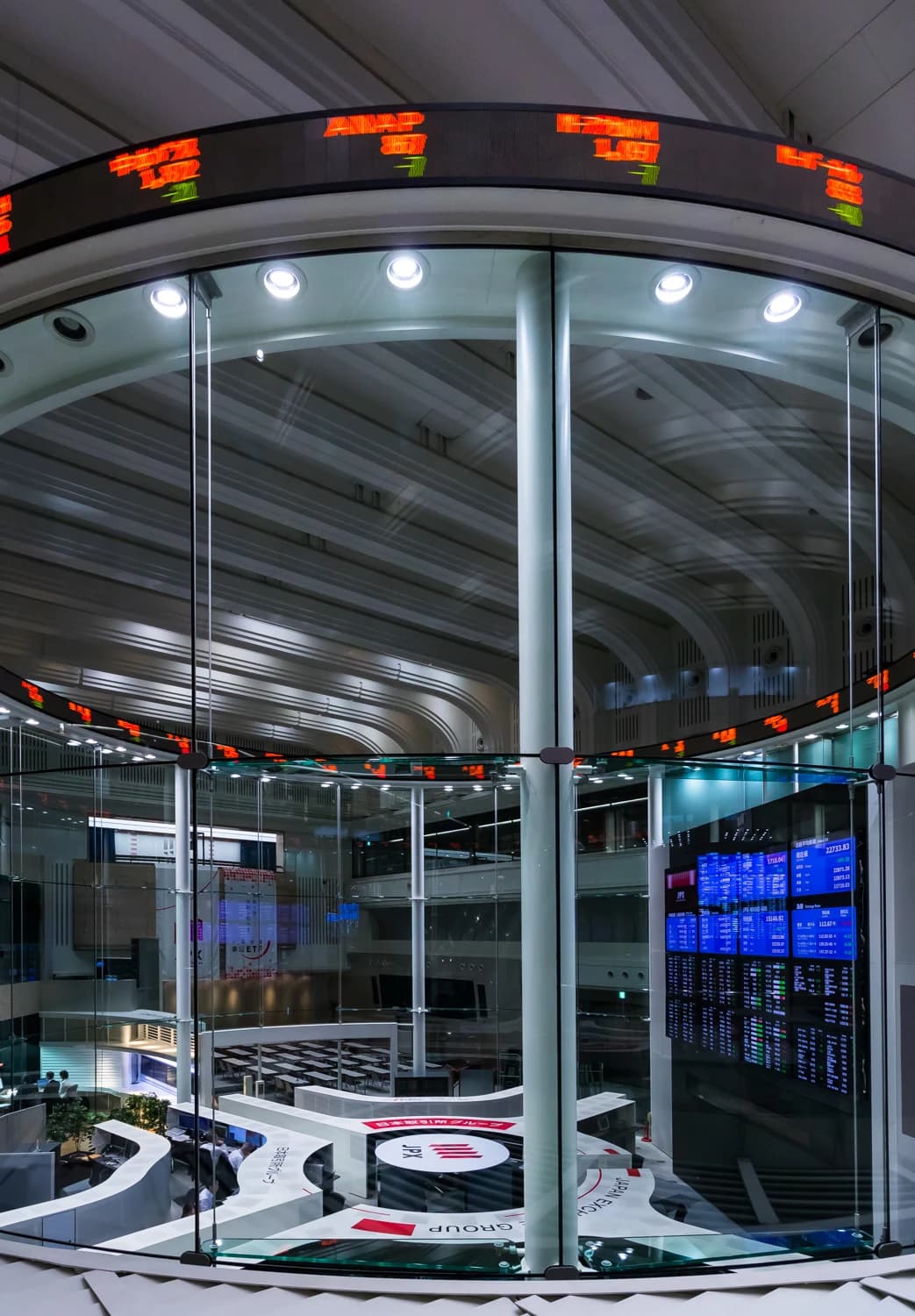
Taiwan’s Taiex led regional gains with a 5.6% jump, powered by a 5.6% rise in Taiwan Semiconductor Manufacturing Co. Shares of TSMC are often treated as a proxy for the global AI supply chain, given its central role in advanced chip production. In South Korea, the Kospi climbed 1.7%, helped by gains in Samsung Electronics and chipmaker SK Hynix. Japan’s Nikkei 225 added 1.3%, while Hong Kong’s Hang Seng advanced 1.2% and the Shanghai Composite rose 0.3%. Australia’s S&P/ASX 200 gained 0.1%.
The rebound in Asia followed a recovery in U.S. megacap technology shares, with Nvidia rising 1.7% on Friday after steep losses earlier in the week. Nvidia remains one of the clearest gauges of the AI capex cycle, and its stabilization was enough to help lift the rest of the U.S. market. Microsoft edged higher as well, while the broader Nasdaq and S&P 500 recovered some of the ground lost during the prior risk-off stretch.
The market tone also reflected a more constructive read-through from corporate results. CoreWeave, one of the more closely watched AI cloud names, jumped 24.7% after third-quarter results topped expectations and its chief executive said he would cancel planned stock sales, a move investors read as a vote of confidence in the business. That helped offset recent worries that AI spending may be running ahead of monetization, a concern that had hit high-beta names hardest.
Still, the recovery is not a clean reset. Nvidia remains well below its recent highs, and the stock is still roughly 3.5% under its all-time peak in recent trading. On conventional technical measures, the shares remain stretched on the downside even after Monday’s move in Asia, with the 14-day RSI still at 19.1 and the price far below both its 50-day and 200-day moving averages. Microsoft, by contrast, has been more resilient, holding above its 200-day average and recovering far better from the recent drawdown. That divergence underscores the market’s current divide between companies seen as durable AI platform beneficiaries and those more exposed to the trade’s momentum.
The broader backdrop is a market that has been trying to reconcile booming AI investment with a slower, more uncertain macro environment. Investors are still watching U.S. rates, corporate spending plans and any sign that regulators could intervene as the industry scales. For now, the latest bounce suggests the AI trade is not exhausted — but it is increasingly selective, with traders rewarding companies that can still show earnings power, cash generation and credible demand.
| Entity | Gains | Losses |
|---|---|---|
| TSMC | ▲AI chip demand bid | ▼Selloff fears |
| Nvidia | ▲Recovery in AI sentiment | ▼Still-weak momentum |
| CoreWeave | ▲Stronger credibility on growth | ▼Doubts about AI spending |
| Asian equity markets | ▲Risk appetite lift | ▼Recent volatility |