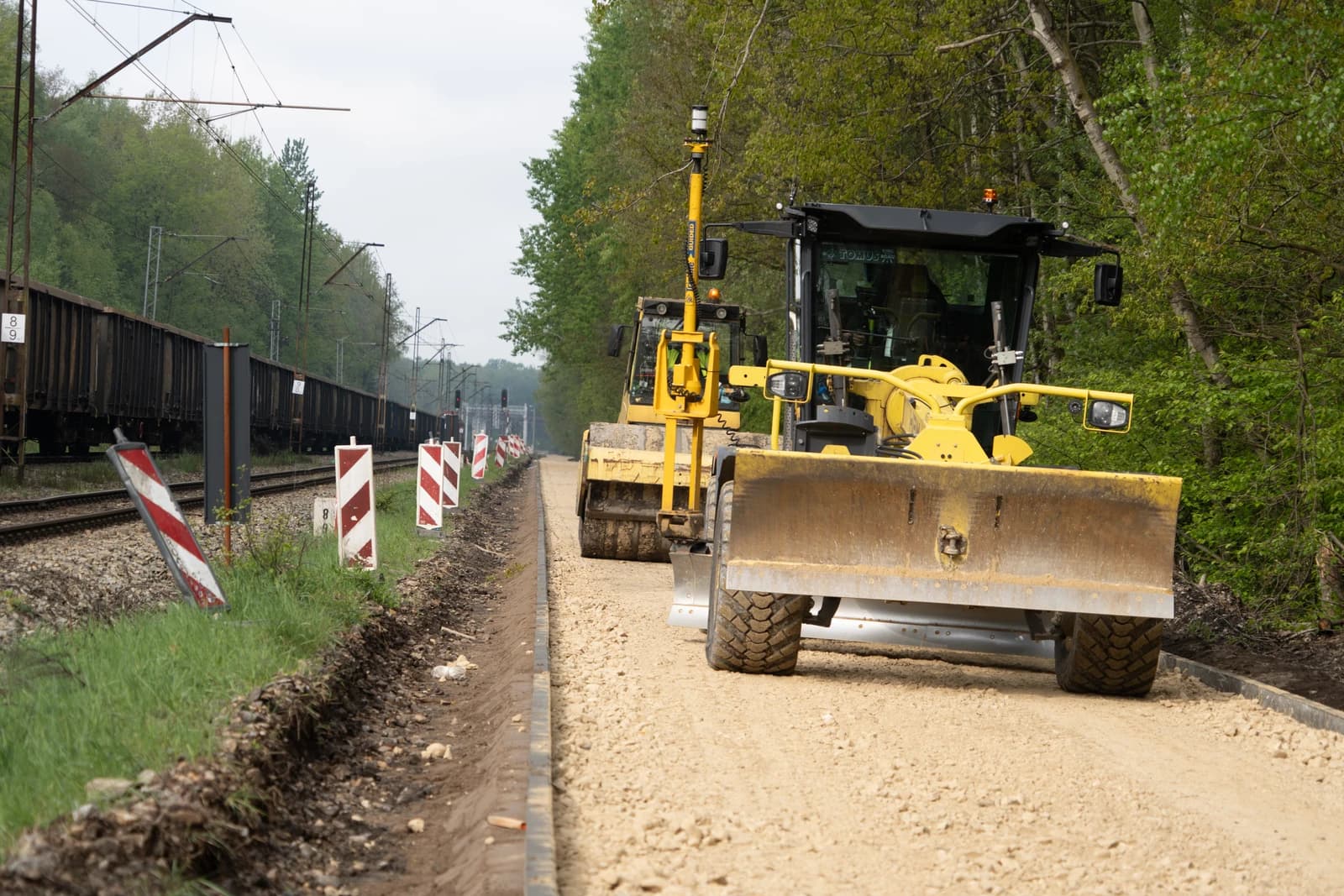
A Rp9.39 billion road maintenance project in Tanggamus has come under scrutiny after lawmakers found widespread cracking and questioned whether the rigid concrete section was built without steel reinforcement, raising fresh doubts over local infrastructure spending and contractor oversight.
Tanggamus road project faces cracking scrutiny
The findings matter because road works are among the most visible uses of public capital in regional Indonesia, and failures at this scale can quickly erode trust in procurement, supervision and budget discipline. If the concrete was indeed poured without reinforcement that the specification requires, the issue would go beyond workmanship and point to a potential breach of technical standards, with implications for durability, safety and the need for costly rework.
The inspection was led by the Tanggamus DPRD on Nov. 4, 2026, at the Talang Padang–Sumanda route in Lampung, where the project is funded through the 2026 regional budget. Lawmakers said multiple points had cracked, with some sections described as severely damaged and resembling “pecah seribu,” or shattered into many fragments. Deputy speaker M. Rangga Putra Hakim said the damage was visible across numerous spots and demanded an explanation from the local Public Works and Spatial Planning office.
For investors and contractors, the story is less about the single road than about execution risk in government infrastructure pipelines. Indonesia’s local governments rely heavily on public works spending to support growth, yet the economic multiplier depends on assets lasting long enough to deliver transport efficiency, lower logistics costs and better market access. Poor construction does the opposite: it wastes fiscal resources, forces future maintenance spending and can disrupt traffic flows for households, farmers and small businesses along the corridor.
The political risk is also immediate. DPRD scrutiny can trigger audits, contract reviews or sanctions if specifications were missed, especially when visible defects appear soon after work is completed. That raises the probability of payment delays, contractor disputes or demands for remedial work at the contractor’s expense, all of which can pressure margins in the local construction ecosystem and slow the pace of future awards.
More broadly, the episode feeds a familiar concern in Indonesian infrastructure: the gap between budget allocation and asset quality. A project worth billions of rupiah should produce a road that can withstand heavy use over years, not crack early enough to invite legislative inspection. If similar issues are found elsewhere, local governments may face tighter supervision, more detailed engineering checks and greater public pressure to favor quality over speed in future tenders.
For now, the key catalyst is whether the PUPR office confirms a technical failure, orders repairs or opens a formal investigation. The outcome will determine whether this remains a local embarrassment or becomes a broader warning about procurement standards in Tanggamus and beyond.
| Entity | Gains | Losses |
|---|---|---|
| Tanggamus DPRD | ▲Oversight credibility | ▼If issue is ignored |
| Local residents and road users | ▲Safer roads if repaired | ▼Travel disruption and safety risk |
| Contractors / suppliers | ▲Additional repair work if retained | ▼Margin pressure, sanctions |
| Tanggamus PUPR office | ▲Chance to correct standards | ▼Reputational damage, audit risk |