Target Healthcare REIT posted its strongest annual financial performance since its 2013 IPO, lifted by inflation-linked rents, steadier asset valuations and a sharper balance sheet, underscoring how scarce, purpose-built elderly care assets are still drawing investor support despite a competitive market.
Target Healthcare REIT posts stronger annual results
The UK healthcare landlord said revenue rose 20.5% to £102.7 million in the year to June 30, while pre-tax profit climbed 35.7% to £82.6 million. Portfolio value increased 4.9%, helping total accounting return reach 12%, up from 9.3% a year earlier.
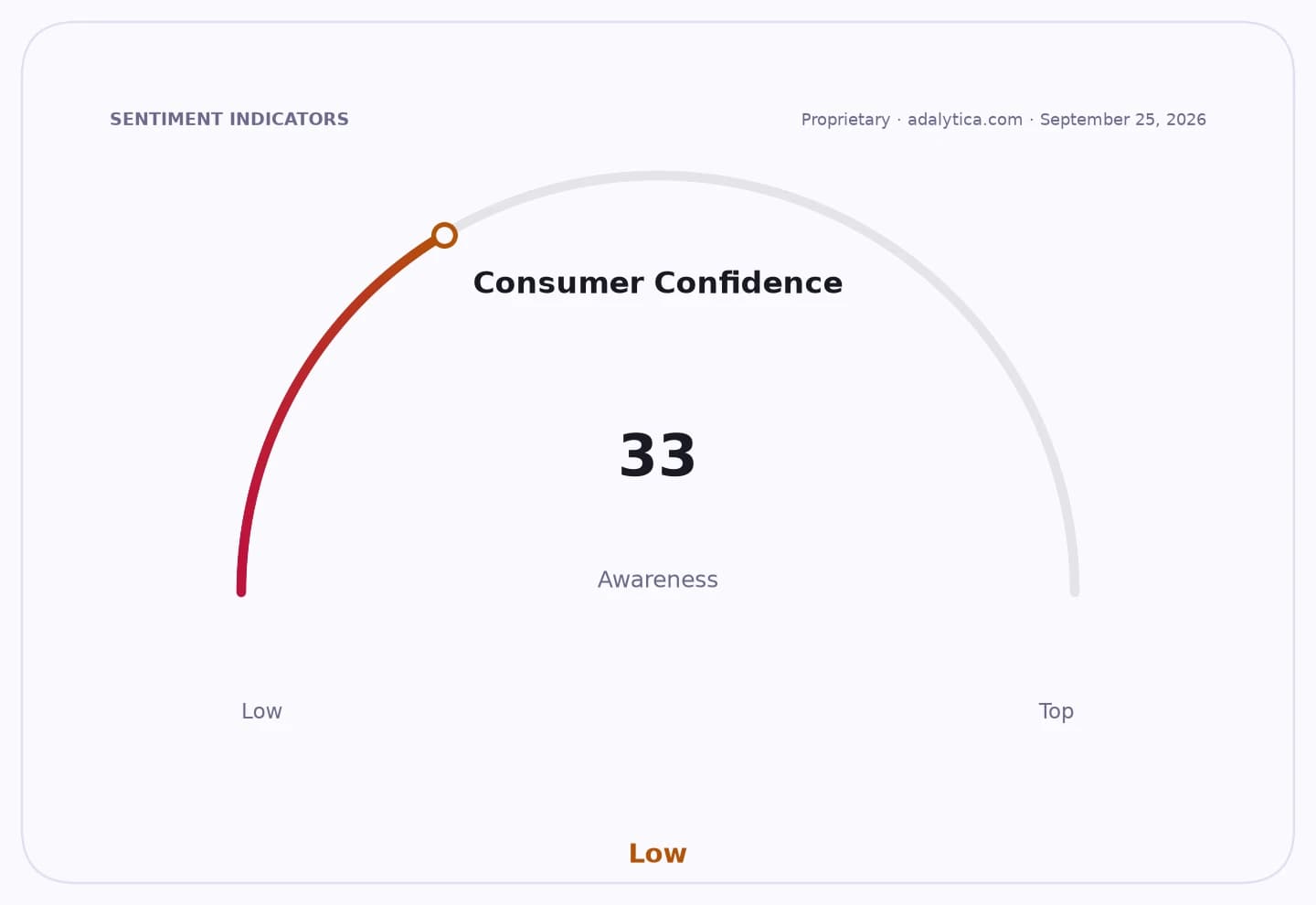
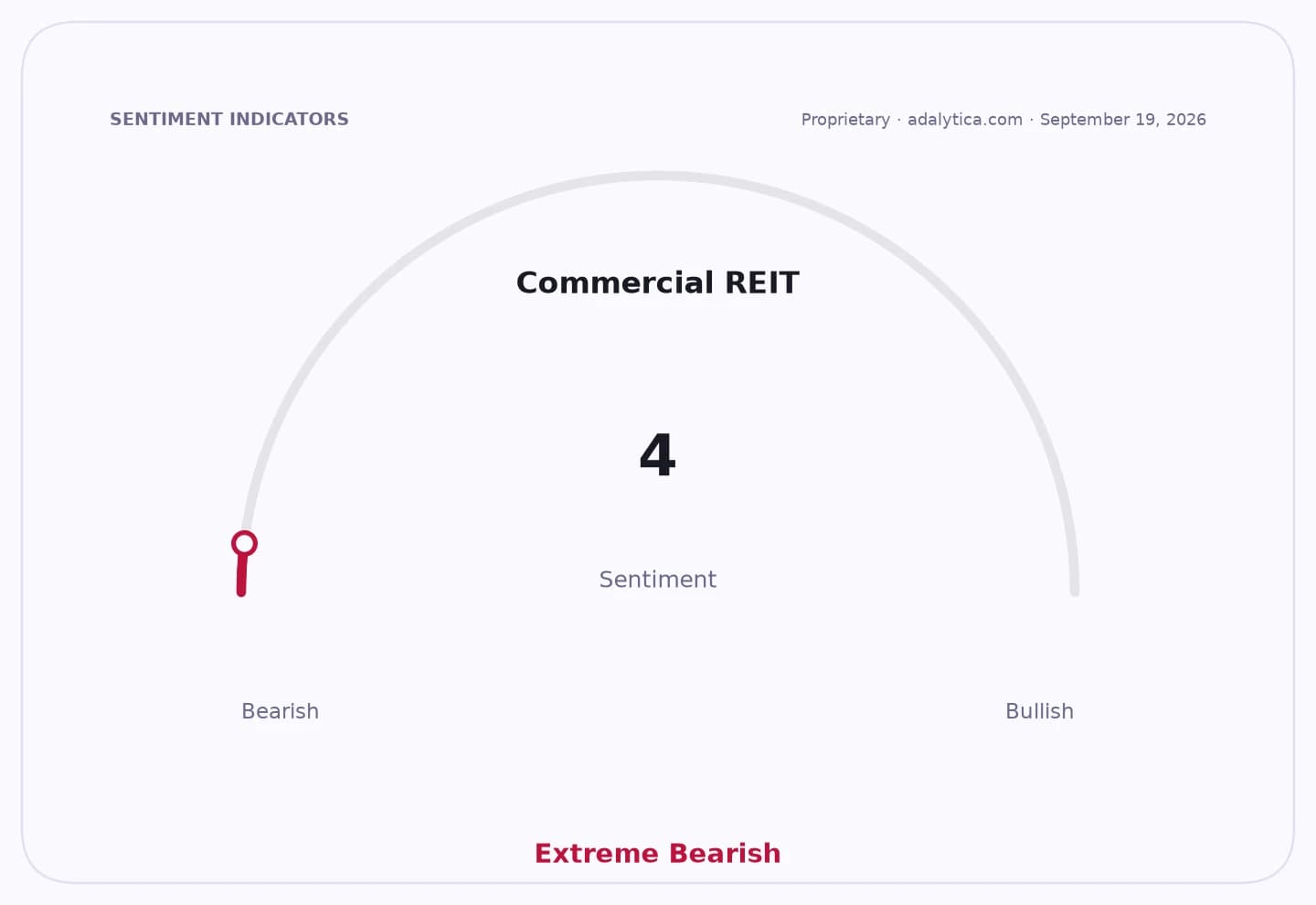
Sentiment IndicatorsⓘProprietary · adalytica.com · September 26, 2026
This is a snapshot — live sentiment, awareness and momentum for 130+ markets update continuously in the dashboard.Open AlphaPulse
For investors, the key story is not just faster earnings growth but the durability of cash flow. Net tangible assets per share rose 6.4% to 122.1p, while net loan-to-value fell to 16.1% from 21.8%, giving the REIT more room to keep buying assets and supporting distributions in a higher-rate environment.
The portfolio now spans 87 properties, including 86 operational care homes fully let to 31 tenants and one pre-let development site. Contractual rent was £61.1 million, with like-for-like rent up 3.7% as rent reviews fed through leases designed to rise with inflation.
Chief executive Kenneth MacKenzie said the results were the best in the company’s life, helped by controlled debt costs, strong asset quality and disposals at premium prices. The REIT sold 11 care homes for £97 million and redeployed £73 million into four standing assets, a forward commitment and a forward-funding deal, showing management is still actively rotating capital in a market that remains competitive.
The balance sheet and asset mix are central to the investment case. Mature homes delivered rent cover of 1.9 times and occupancy held at 85%, while 83% of the portfolio was purpose-built since 2010 and all sites carried EPC ratings of A or B, helping the landlord market itself as a modern, lower-maintenance platform.
Fyfe said the sector remains structurally undersupplied, and MacKenzie pointed to ageing demographics as a long-running support for demand. The next focus for investors will be whether the REIT can keep converting that tailwind into rent growth, selective acquisitions and stable valuations as financing costs, care-home operating conditions and the broader real estate market evolve.
| Entity | Gains | Losses |
|---|---|---|
| Target Healthcare REIT | ▲Higher revenue, profit, NAV | ▼N/A |
| Shareholders | ▲Better returns, stronger balance sheet | ▼Less leverage-driven upside |
| Tenant operators | ▲Access to modern care homes | ▼Higher rent reviews |
| Competing capital buyers | ▲Steady sector interest | ▼Scarcer quality assets |