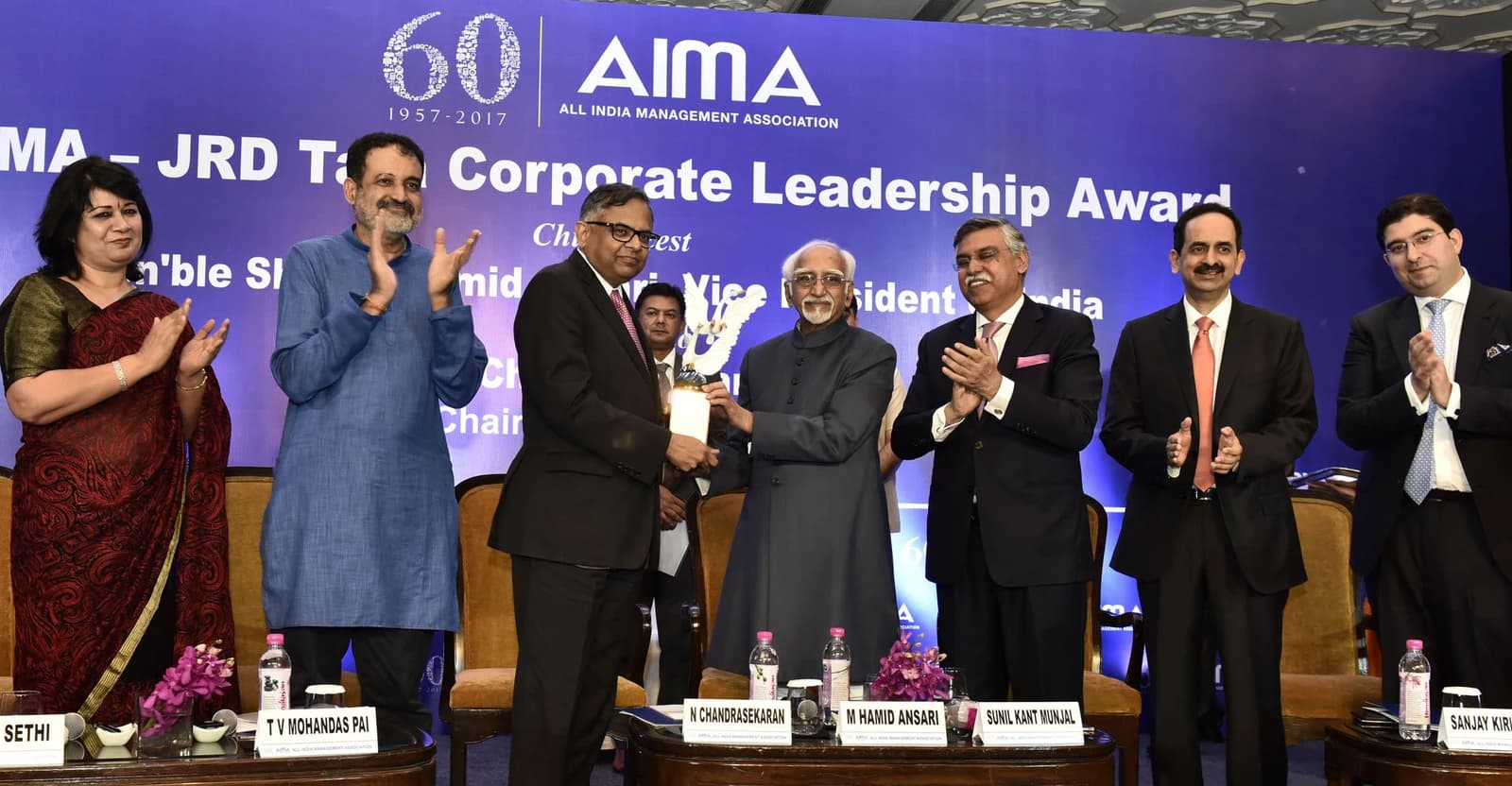
Tata Sons has backed N Chandrasekaran’s reappointment as chairman with three legal opinions, sharpening a governance fight at India’s most influential private conglomerate and raising the stakes for control of the $300 billion-plus Tata Group.
Tata Sons Backs Chandrasekaran Reappointment
The support matters because the dispute goes beyond one chairman’s tenure. It cuts to who gets to approve succession at Tata Sons, how much authority Tata Trusts holds over the holding company and whether the group can preserve the private status that has long insulated it from outside scrutiny.
Tata Trusts has been pushing for a restructuring that would keep Tata Sons private and help avoid Reserve Bank of India oversight, according to the news flow around the dispute. That effort has collided with the board’s decision to back Chandrasekaran’s return, turning an internal disagreement into a test of governance for a group whose companies span autos, IT services, steel, telecoms and consumer businesses.
For investors, the key issue is stability. Tata Sons sits above listed companies including Tata Consultancy Services and Tata Motors, and any prolonged governance rift raises questions about capital allocation, succession planning and the coherence of strategy across the empire. Even without immediate market disruption, the battle introduces another layer of uncertainty for minority shareholders who rely on predictable decision-making at the top.
The episode also reflects a broader strain in Indian corporate governance, where promoter control, trust structures and regulatory pressure can collide during leadership transitions. With political and regulatory attention now circling the matter, the outcome could shape not only Chandrasekaran’s tenure but also the future ownership architecture of one of India’s most closely watched business groups.
The next catalyst is whether Tata Sons and Tata Trusts can settle the control dispute without a deeper legal or regulatory confrontation, a resolution that would be watched closely by markets for signs that the group’s succession path remains intact.
| Entity | Gains | Losses |
|---|---|---|
| Tata Sons board | ▲Control over chairman decision | ▼Less influence from Trusts |
| N Chandrasekaran | ▲Reappointment backing | ▼Governance uncertainty |
| Tata Trusts | ▲Potential restructuring leverage | ▼Direct approval role |
| Tata-listed shareholders | ▲Leadership continuity | ▼Succession risk, volatility |