TCL is making a broader bet on artificial intelligence as the next engine of consumer-electronics demand, and that matters because the winning companies in this cycle will not just sell screens and boxes — they will sell an AI-enabled ecosystem that locks in users and raises the value of every device.
TCL showcases AI hardware lineup at IFA Berlin
The Chinese group used IFA in Berlin to showcase a lineup built around “AI Inspired Life,” spanning Mini LED TVs, sound systems, smartphones, tablets, appliances and wearables. That is strategically important because hardware is becoming more differentiated at the edges: AI features are no longer just a marketing add-on, but a way to justify higher prices, defend margins and create repeat purchases across the home.
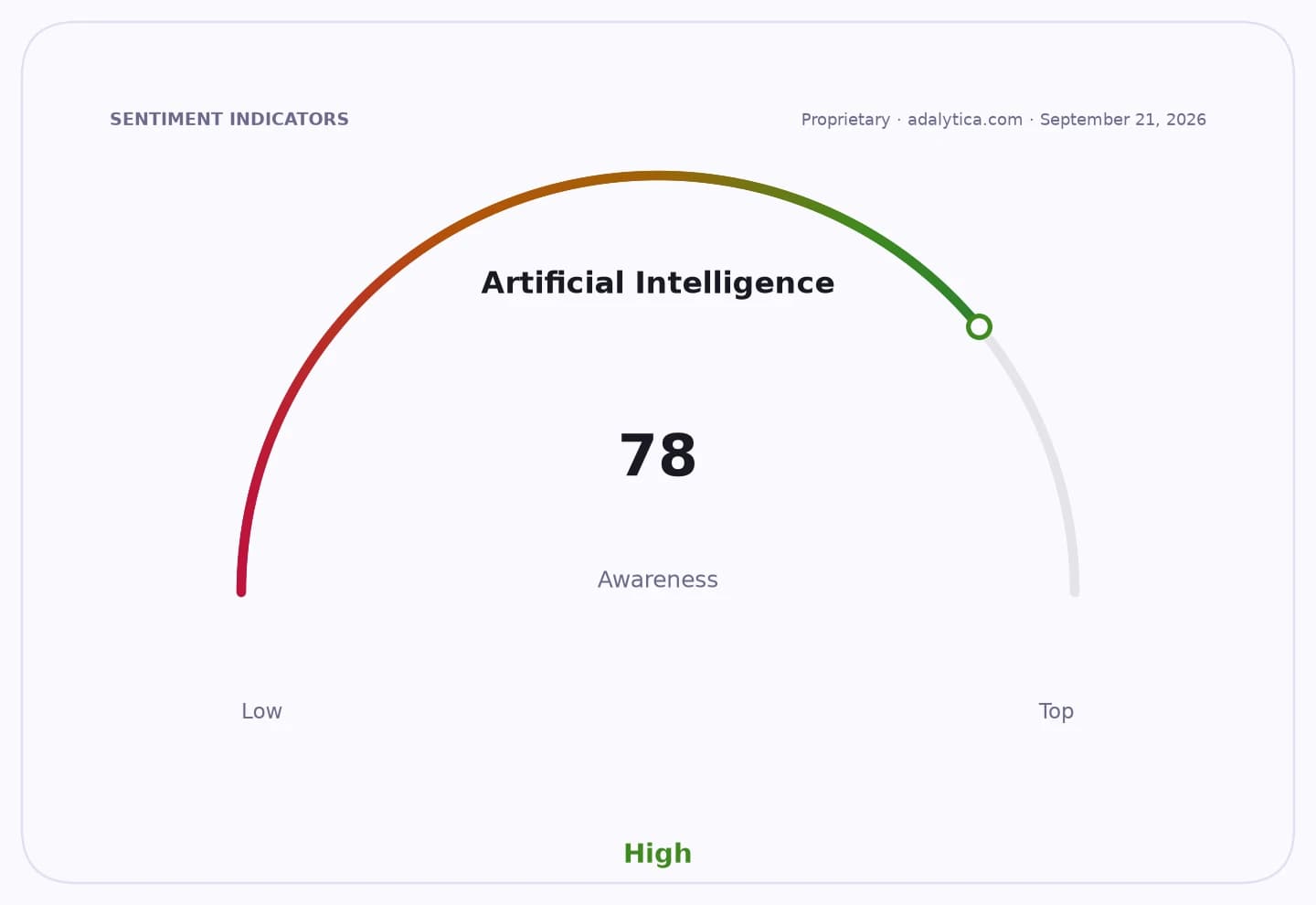
Sentiment IndicatorsⓘProprietary · adalytica.com · September 8, 2026
This is a snapshot — live sentiment, awareness and momentum for 130+ markets update continuously in the dashboard.Open AlphaPulse

TCL’s TV range shows where the premium opportunity sits. Its flagship X11L SQD-Mini LED model comes in 75-, 85- and 98-inch versions and pairs Bang & Olufsen audio with 20,736 local-dimming zones, peak brightness of up to 10,000 nits and 144Hz native refresh. Those specifications are not just bragging rights; they are the kind of high-end features that support premium pricing in a market where mainstream TV demand remains cyclical and brutally competitive.
The company is also leaning on AI to make the living room more sticky. Its Q95K soundbar uses AI Sonic-Adaptation to tune output to the acoustics of the room, while the Z100 wireless speaker system adds flexible placement and modular expansion. That matters for investors because it broadens TCL’s addressable basket size: a TV sale can now pull through soundbars, speakers and services tied to a smarter home-entertainment stack.
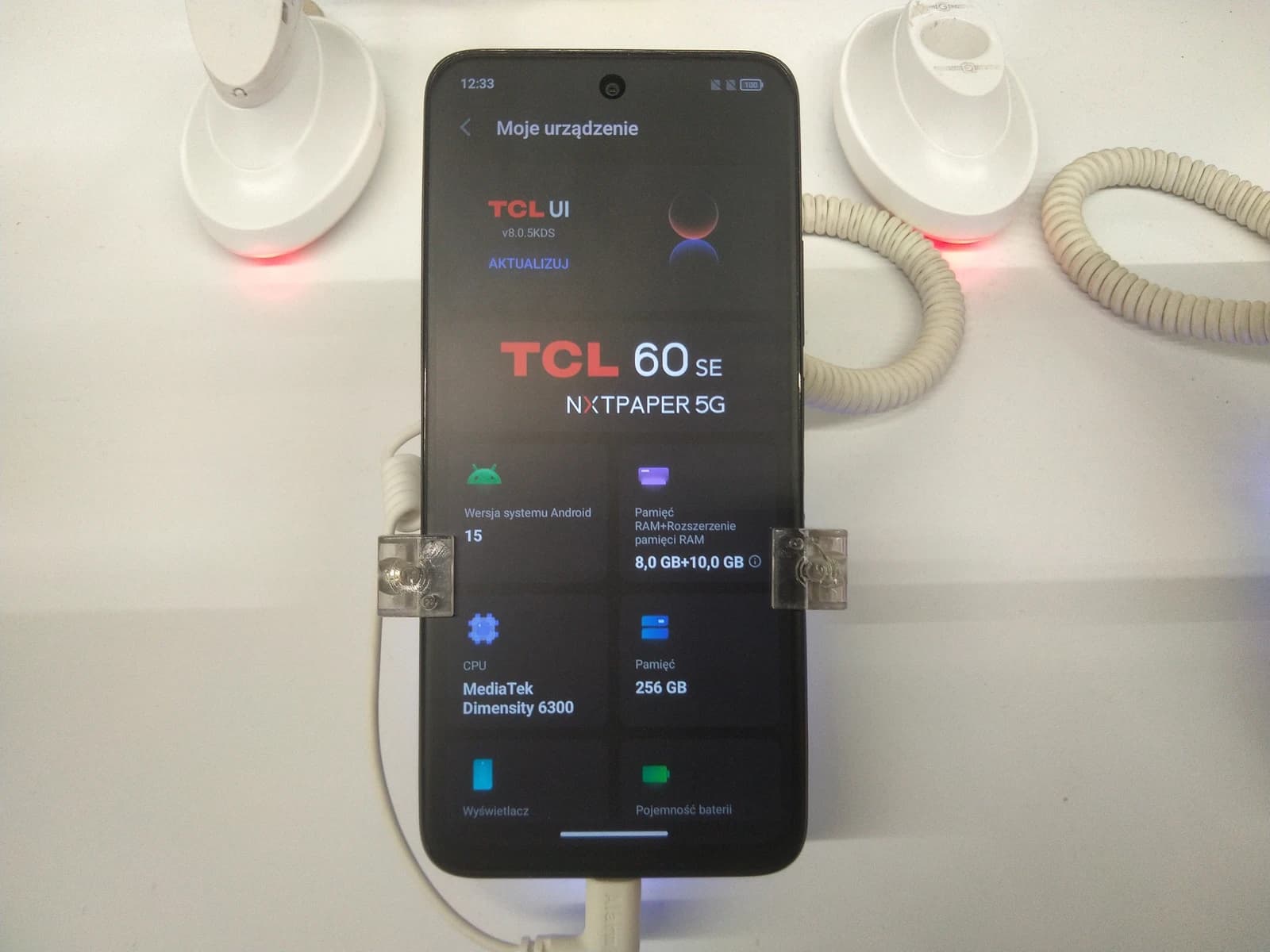
In mobile, TCL is trying to turn its NXTPAPER display technology into a real differentiator. The new P80 Ultra and P80 Pro smartphone line brings NXTPAPER to AMOLED panels for the first time, pairing reduced glare and lower blue-light exposure with a more premium display experience. The P80 Ultra adds a 6.83-inch screen and 50-megapixel periscope telephoto camera, while the P80 Pro emphasizes battery life with a 5,800 mAh cell. The tablet lineup extends that same pitch, with the top TAB A1 Plus NXTPAPER offering a 12.2-inch 2.4K panel, 120Hz refresh and 10,000 mAh battery.
That combination matters economically because TCL is targeting categories where buyers are increasingly willing to pay up for comfort, battery life, picture quality and AI assistance — exactly the areas where component innovation can widen the gap between commoditized low-end hardware and higher-margin branded products. In a consumer-electronics market still shaped by weak discretionary spending and intense Chinese competition, the firms that can turn technical features into ecosystem loyalty are the ones most likely to hold pricing power.
The broader investment story is larger than TCL alone. AI is moving out of data centers and into the household, which creates a second-order opportunity for the suppliers that make displays, sensors, audio components, power management chips, and advanced manufacturing equipment. It also raises the stakes for rivals such as Samsung, Sony and other premium consumer-electronics brands that must defend their own AI-led upgrade cycles.
For investors, the message is clear: the market underestimates how quickly AI is becoming a hardware monetization tool, not just a software narrative. TCL is showing where that transition goes next — from the TV wall to the phone in your hand and the appliances in your kitchen. The best way to position for that shift is to look for the picks-and-shovels beneficiaries of AI consumer hardware and the premium brands most likely to convert features into margin expansion over the next upgrade cycle.
| Entity | Gains | Losses |
|---|---|---|
| TCL | ▲Ecosystem sales | ▼Commodity TV pricing |
| Premium rivals | ▲Upgrade pressure | ▼Share if features lag |
| Component suppliers | ▲Higher content per device | ▼Low-end hardware makers |
| Consumers | ▲Smarter devices | ▼Pricier premium models |