Hisense is using IFA 2026 to push deeper into the smart-home AI market, unveiling V AIOS and an AI Companion Suite designed to make appliances and home systems coordinate around users rather than simply respond to commands.
Hisense unveils V AIOS and AI Companion Suite
That matters because the home electronics industry is moving from connected devices to systems that can sense context, make recommendations and take action across kitchens, laundry rooms and climate controls. For manufacturers, that shift is about higher-value products, stickier ecosystems and the chance to defend margins as hardware becomes more commoditized.
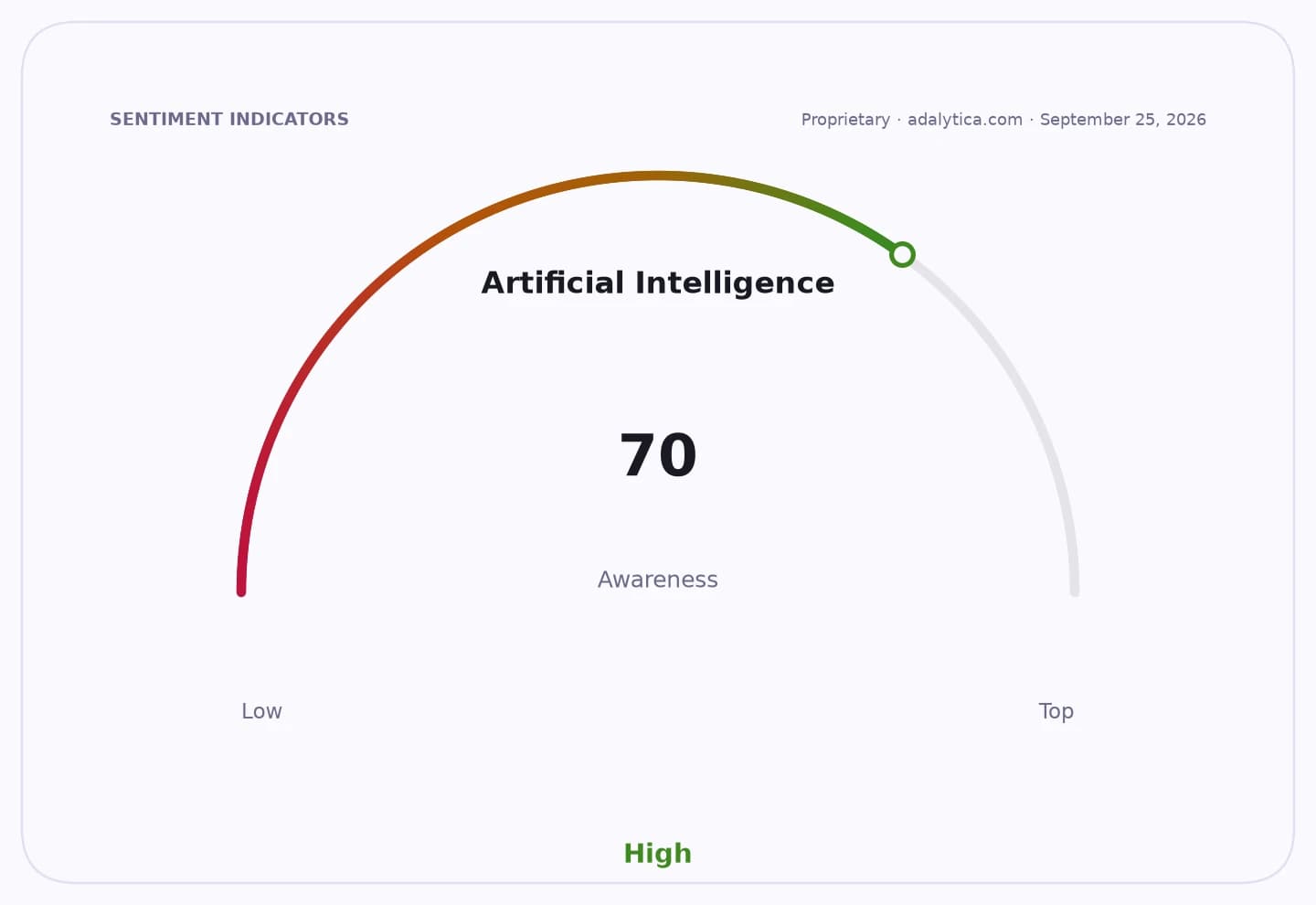
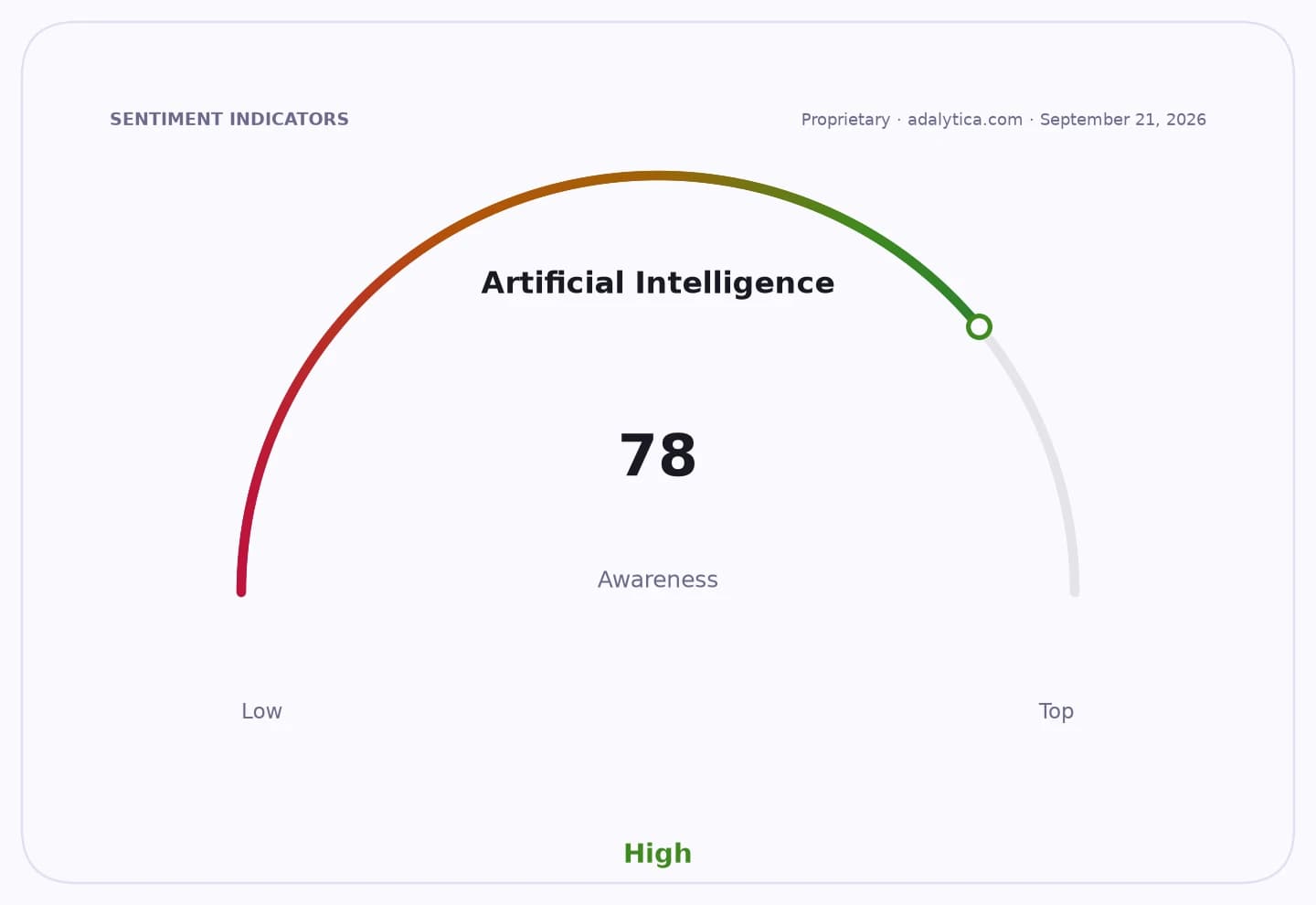
Sentiment IndicatorsⓘProprietary · adalytica.com · September 5, 2026
This is a snapshot — live sentiment, awareness and momentum for 130+ markets update continuously in the dashboard.Open AlphaPulse
Hisense said V AIOS is the next stage of its VIDAA operating system and is built around four functions: perception, reasoning, communication and action. The company says those capabilities are meant to let the platform understand people, devices and their surroundings, then coordinate content, appliances and services on the user’s behalf.
The AI Companion Suite extends that approach into cooking, washing and air-and-energy management. In the kitchen, Hisense says connected appliances can work together to suggest meals based on preferences and ingredients. In laundry, the system can identify fabrics and adjust washing and drying settings. In the living room, the UR9 acts as a hub for comfort and energy management.
The pitch fits a broader race among consumer-electronics makers to turn artificial intelligence into a reason to upgrade homes, not just phones and PCs. It also comes as consumer interest in AI remains high, even as broader market sentiment around the theme has cooled; Adalytica’s AI sentiment snapshot shows fear at 19, with awareness in extreme fear territory at 7.
For investors, the key question is whether these AI features translate into stronger device demand, better ecosystem lock-in and improved pricing power for Hisense and its peers. The company is also leaning on brand visibility beyond the home, announcing a partnership with UEFA EURO 2028, extending a run of tournament sponsorships that includes 2016, 2020 and 2024.
Hisense’s U.S.-listed shares have been little changed around $11, with the stock recently trading near its 50-day moving average and below its 200-day moving average, suggesting the market is waiting for proof that the AI rollout can drive sales rather than just marketing headlines.
The next test will be whether Hisense can turn the IFA showcase into consumer adoption and whether rivals in home appliances and smart TVs respond with their own AI-driven platforms ahead of the holiday selling season.
| Entity | Gains | Losses |
|---|---|---|
| Hisense | ▲smarter ecosystem pitch | ▼hardware-only competition |
| Consumers | ▲more automated home control | ▼higher device lock-in |
| Appliance rivals | ▲AI feature race acceleration | ▼pricing power pressure |
| Investors | ▲potential upgrade catalyst | ▼execution risk |