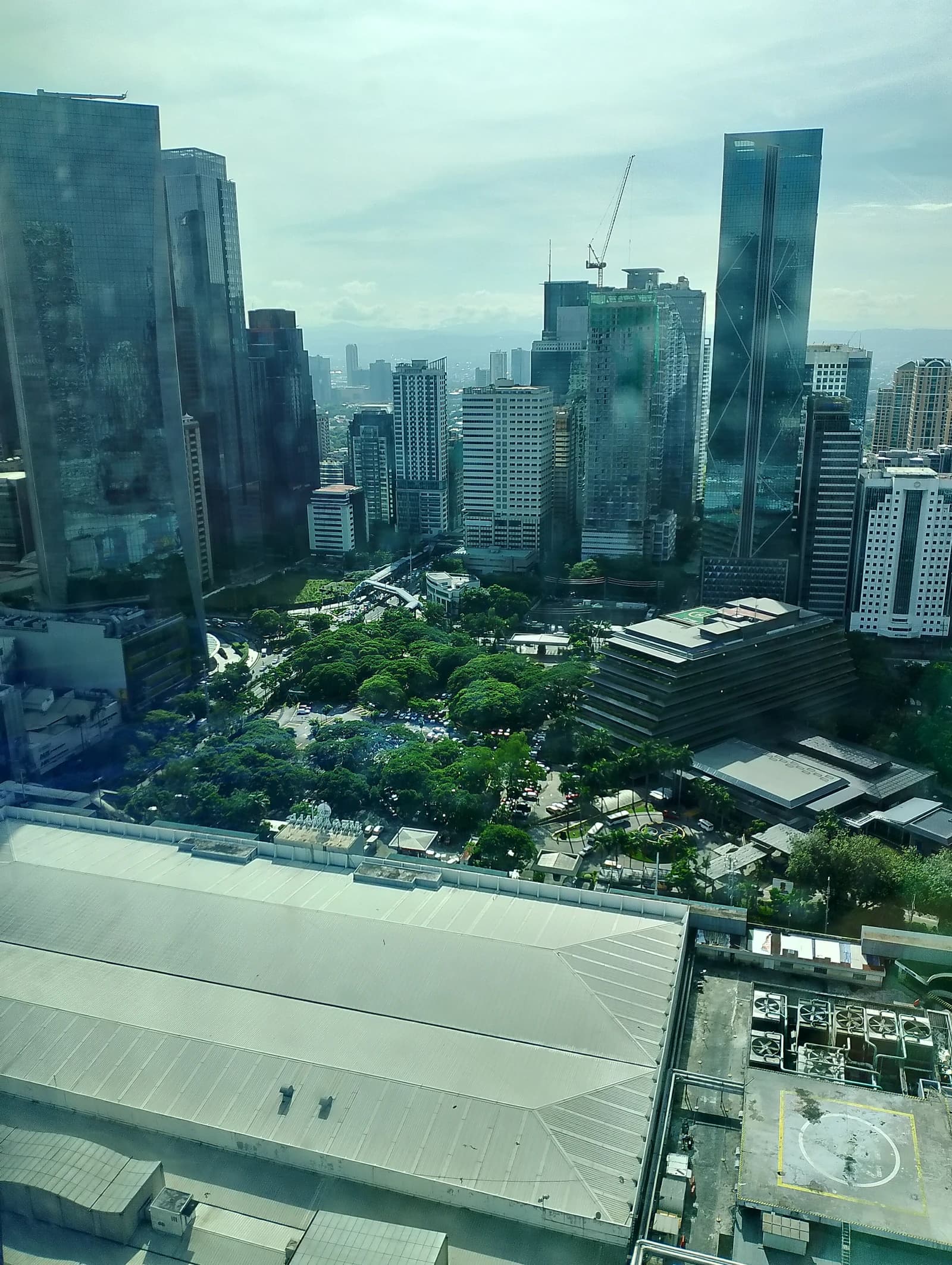
TDCX’s new Foshan campus is a small but telling bet on where outsourced customer experience is headed: closer to clients, richer in bilingual talent and increasingly built around AI. For investors, that matters because it shows the company is not just adding desks in China — it is trying to turn the Greater Bay Area into a faster, cheaper and more scalable operating base for Hong Kong and mainland customers at a time when service providers everywhere are being pushed to do more with less.
TDCX opens new Foshan campus in China
The campus opens with about 100 positions and is designed to expand quickly over the next two years. TDCX says it can launch pilot pods in as little as 60 to 90 days, with teams of just 3 to 10 full-time employees, before clients decide whether to scale. That kind of low-risk rollout is exactly what businesses want when they are testing new markets, building sales pipelines or outsourcing customer support functions that need Cantonese and Mandarin fluency.
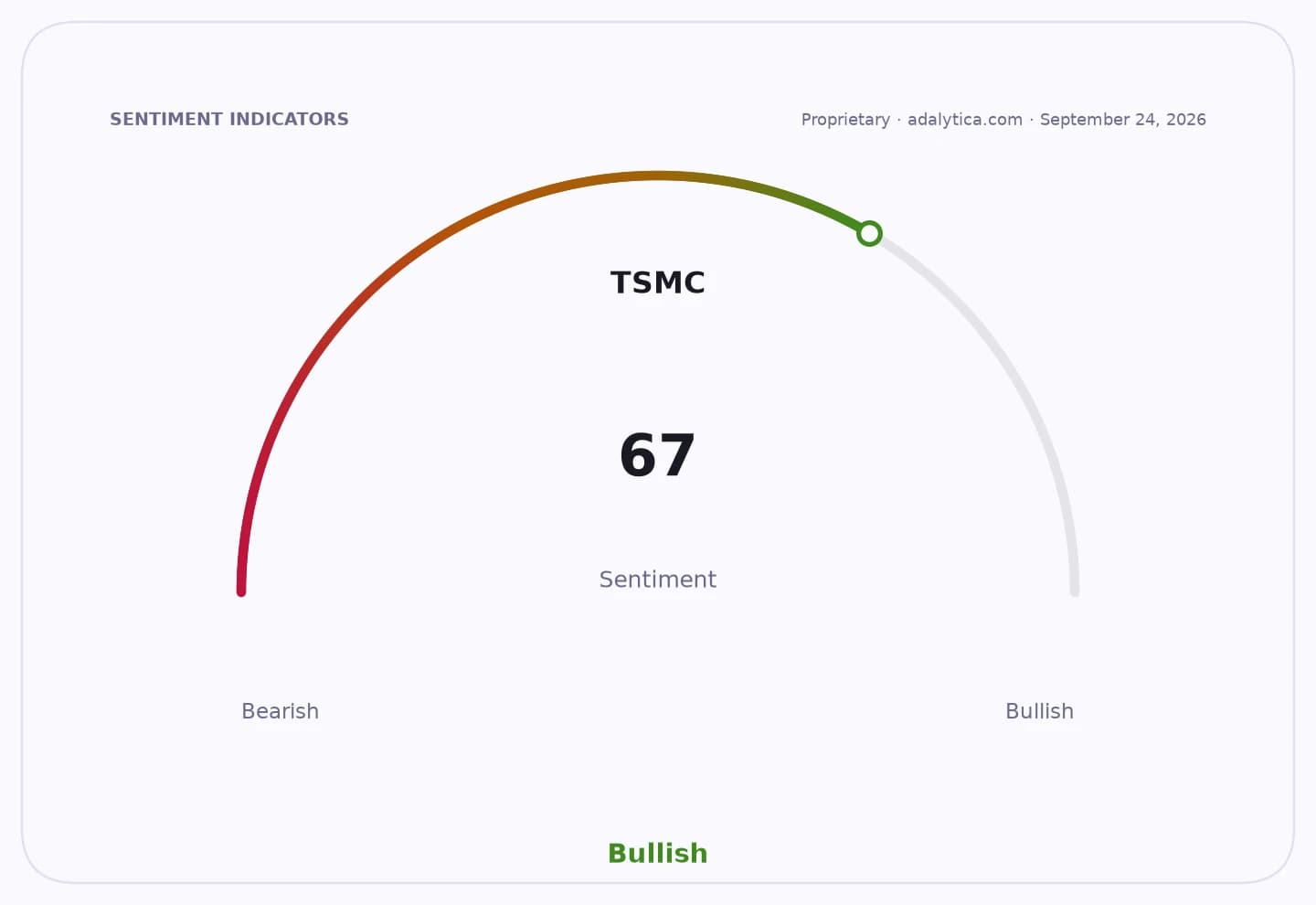
Sentiment IndicatorsⓘProprietary · adalytica.com · September 4, 2026
This is a snapshot — live sentiment, awareness and momentum for 130+ markets update continuously in the dashboard.Open AlphaPulse
The bigger story is the mix of labor and technology. TDCX is pitching Foshan as an AI-enabled hub, using proprietary tools for quality assurance, coaching, agent assistance and voice-of-customer analytics. In plain English, the company is trying to make each worker more productive and each client relationship more sticky. For a business services group, that is where long-term margin expansion can come from: not just headcount growth, but better utilization, faster onboarding and more consistent service quality.
That should matter to investors watching the outsourcing and customer-experience space. Companies that can combine local language coverage, regional proximity and AI-enabled workflows may win more work from clients looking to modernize support operations without building them from scratch. TDCX is also giving Hong Kong businesses an execution base near home and mainland businesses a gateway into a delivery model that is meant to feel both scalable and localized.
There is also a broader economic angle. Foshan’s Nanhai district is positioning itself as an AI and technology cluster, and TDCX now says it operates six centers across China. That gives it a wider footprint in one of the world’s most important consumer and business markets, while tapping the Greater Bay Area’s dense talent pool and lower-cost operating structure. For multinational customers, the appeal is straightforward: a shorter path to launch, lower execution risk and a workforce that can cover Cantonese, Mandarin and, where needed, English.
The risks are the usual ones for this kind of expansion. Growth has to be earned client by client, and AI tools only help if they improve quality rather than simply cut cost. Competition in business process outsourcing remains intense, and local labor availability, wage pressure and execution discipline will matter. But for long-term investors, the message is encouraging: TDCX is building capacity in a region that fits the future of outsourced services, not the past.
If the campus fills as planned, Foshan could become more than a regional outpost. It could become a template for how TDCX grows in the AI era — by pairing human talent with software, and turning operational complexity into a competitive advantage worth watching over the next several years.
| Entity | Gains | Losses |
|---|---|---|
| TDCX | ▲Greater Bay Area scale | ▼Legacy BPO rivals |
| Hong Kong clients | ▲Nearby execution base | ▼Longer offshore setups |
| Mainland clients | ▲AI-enabled delivery model | ▼Manual service operations |
| Foshan/Nanhai district | ▲Jobs and investment | ▼Other outsourcing hubs |