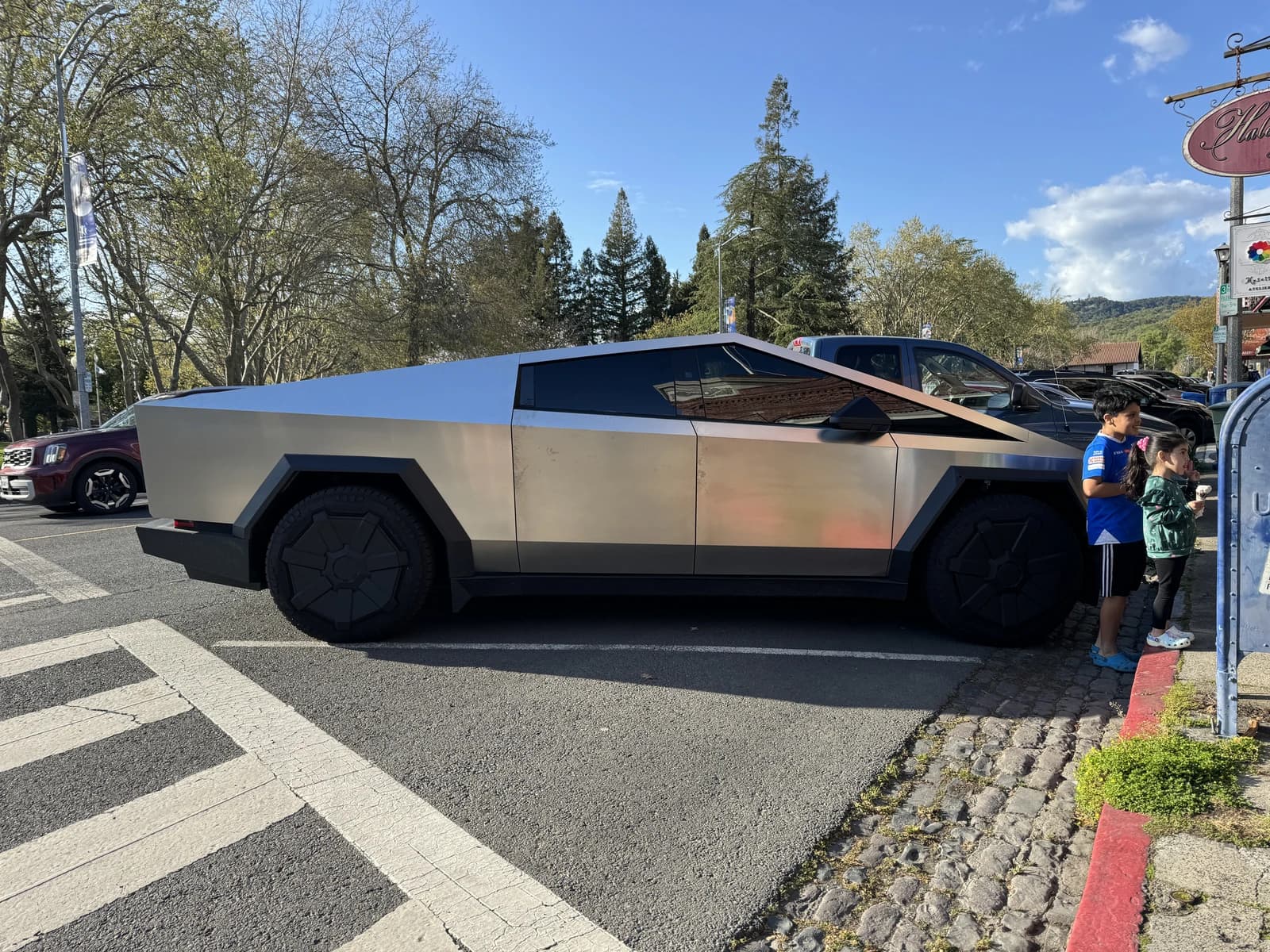
Tesla is signaling that its Cybertruck run in Texas could wind down by mid-2027 as Elon Musk refocuses the company on the Cybercab, a move that matters because it shows Tesla is prioritizing autonomous mobility over a niche pickup that never came close to its sales hype.
Tesla Cybertruck Output May Wind Down by 2027
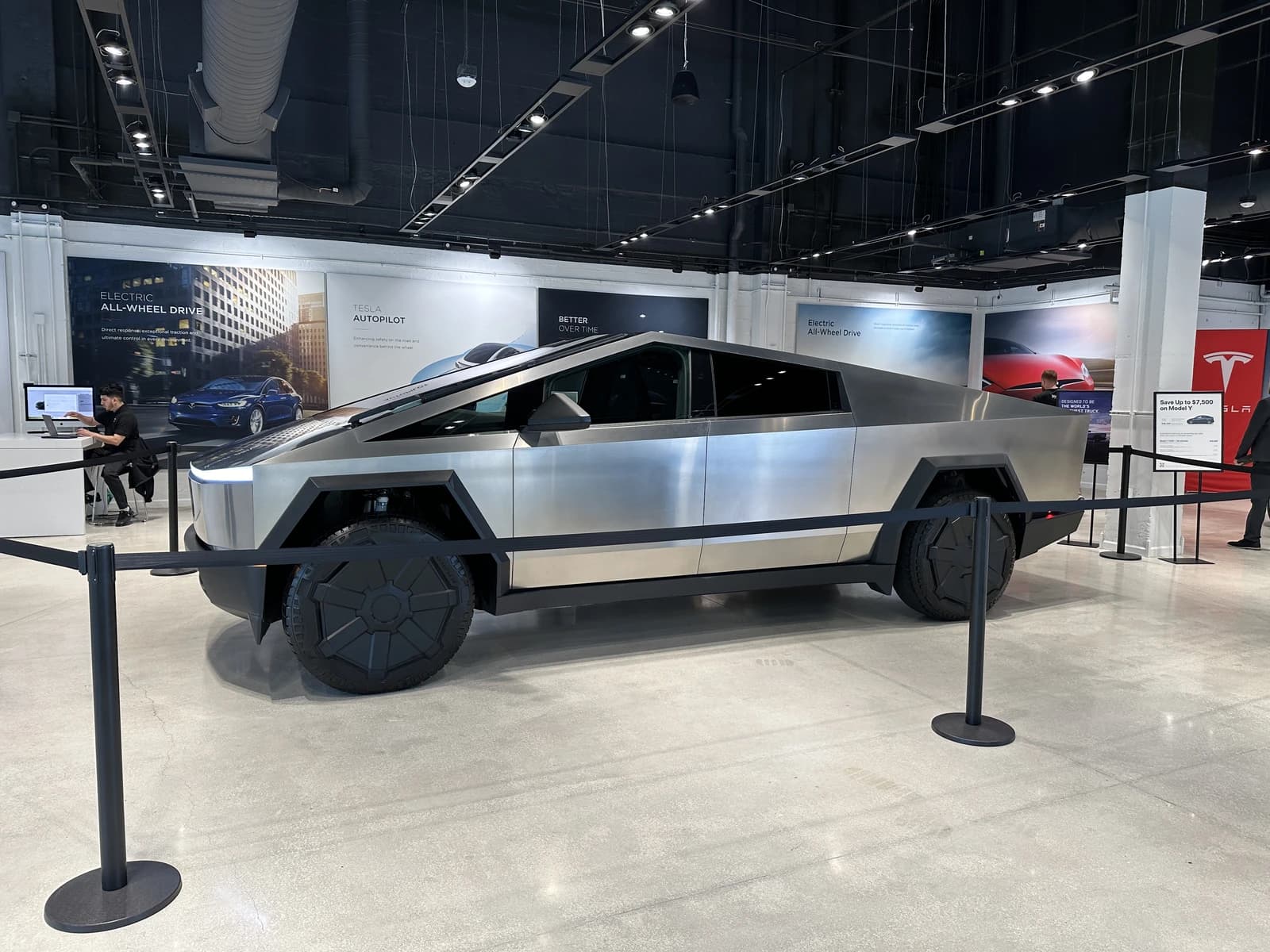
For investors, that is the bigger story than the truck itself. Tesla’s long-term value case has always rested on optionality — electric vehicles, software, autonomy and eventually a robotaxi network — and the Cybercab shift suggests Musk is willing to sacrifice a flashy but disappointing product to chase a larger, more scalable market.
Sentiment Indicators
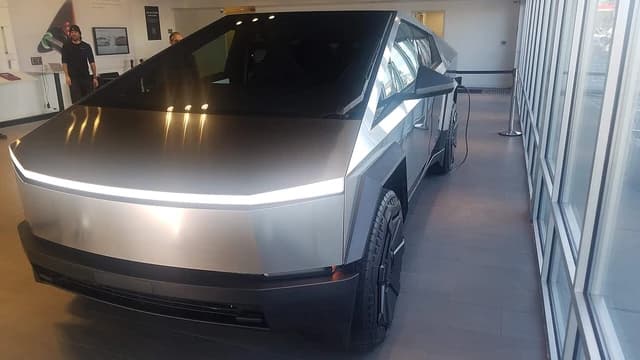
That trade-off is easier to justify when the numbers are this stark. Tesla sold 20,237 Cybertrucks in the U.S. in 2025, down 48% from 38,965 in 2024, according to Kelley Blue Book. That is a fraction of Musk’s original annual sales ambitions and a reminder that the stainless-steel truck, despite enormous attention, has not become a mass-market winner.
By contrast, Cybercab is designed around Tesla’s highest-multiple opportunity: autonomous ride-hailing. The two-seat vehicle has no steering wheel or pedals, and Tesla has already begun production in Texas and launched paid rides in Austin, according to the supplied data. In other words, Tesla is not just swapping one model for another. It is moving capital, factory capacity and management attention from a conventional product line toward an AI-enabled platform.
Tesla Inc
That matters economically because manufacturing capacity is finite. Every square foot devoted to a low-volume vehicle is a square foot not available for a business Tesla may believe can generate more revenue per unit of hardware through software, subscriptions and fleet utilization. If Cybercab scales, the economics could look far better than those of a specialty pickup built for a relatively small customer base.
The Cybertruck’s problems also help explain the pivot. Its angular stainless-steel body has created regulatory hurdles in some markets, especially in Europe, where pedestrian safety rules have made approval difficult. That has limited the model’s global reach and reinforced the idea that Tesla’s most profitable future may not come from selling more traditional cars, even futuristic-looking ones.
For shareholders, the implication is straightforward: Tesla is behaving less like a car company and more like a mobility and robotics company. That is exciting if you believe autonomy will become a real commercial market, but it also raises the bar. The company will have to prove that Cybercab can move beyond pilot programs and niche deployments into a repeatable, scaled business.
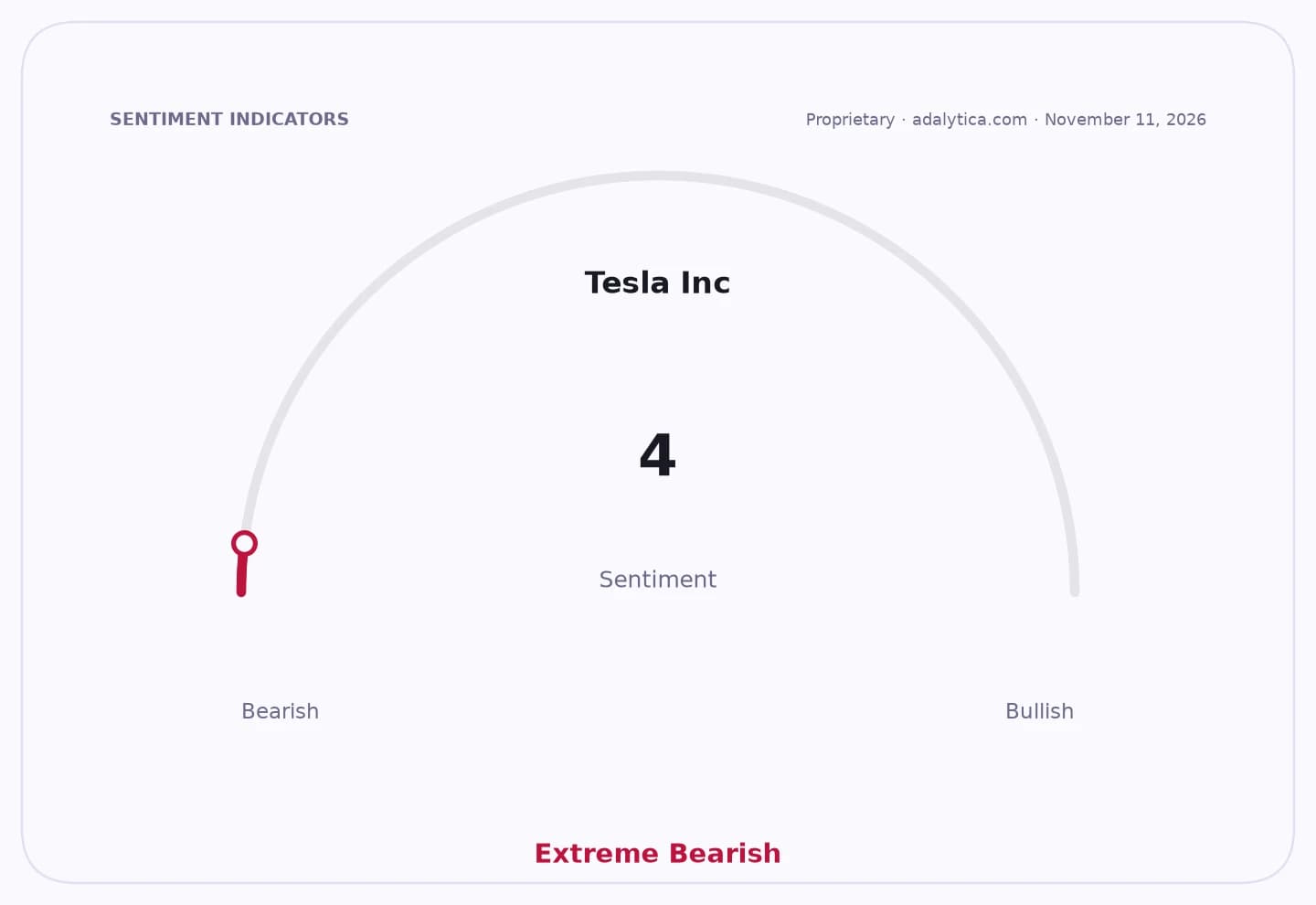
The stock has already been volatile, and conventional technical indicators show why investors remain cautious even after big runs: Tesla’s price has recently been well above its 50-day moving average at times, while RSI readings have swung from oversold territory to overbought levels. Adalytica’s proprietary Tesla Earnings Sentiment snapshot also sits in fear territory, a sign that enthusiasm is still fragile even as the autonomy story gains force.
| Entity | Gains | Losses |
|---|---|---|
| Tesla Cybercab | ▲More factory focus | ▼Less internal competition |
| Cybertruck | ▲Scarce resources diverted away | ▼Production wind-down risk |
| Tesla investors bullish on autonomy | ▲Bigger AI/robotaxi upside | ▼More execution risk |
| Buyers of legacy EV trucks | ▲Possible clearance value | ▼Less attention to model refresh |