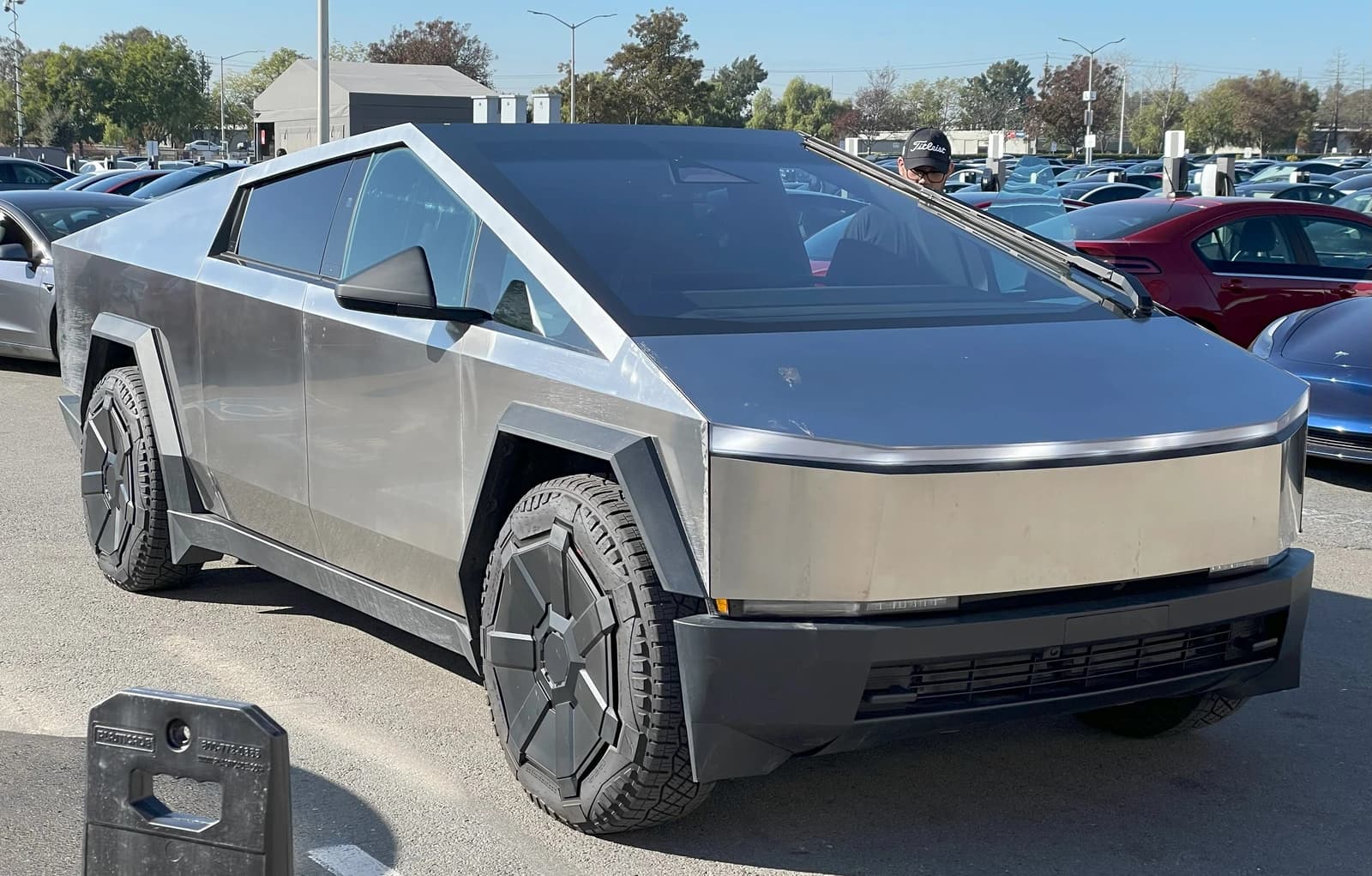
Tesla is refunding many Cybertruck deposits after demand failed to keep up with output, a sign that one of Elon Musk’s most closely watched product launches is struggling to turn hype into a durable business.
Tesla Cybertruck deposit refunds after weak demand

The move matters because the Cybertruck was supposed to broaden Tesla’s reach in the lucrative pickup segment and help justify years of investment in a vehicle that became a cultural symbol as much as a commercial product. Instead, the refund decision points to a mismatch between production plans and real-world demand, raising questions about how much volume Tesla can ultimately extract from the model and how much capital it will keep tied up in a vehicle with limited traction.
Sentiment Indicators
For investors, the issue goes beyond one model line. A weak Cybertruck run would add pressure to Tesla’s automotive growth narrative at a time when the company is already contending with more volatile sentiment, a softer technical backdrop and heavier scrutiny over margins and product execution. Tesla shares have lost ground from earlier highs, and the stock’s recent trading has shown the kind of back-and-forth behavior that typically accompanies uncertainty over deliveries, pricing power and product mix.
Technical indicators have also reflected that strain. Tesla’s relative strength index has swung from overbought territory earlier in the period to more neutral readings more recently, while the stock has traded below its 200-day moving average on several recent observations, a sign momentum has cooled from last year’s surge. Adalytica’s Tesla Earnings Sentiment gauge is at 18, labeled Fear, with awareness neutral, underscoring how quickly market attention can turn when a flagship product fails to scale as hoped.
Tesla Inc — 30-day sentimentadalytica.com
Explore this data interactively — full history, time series and cross-market comparisons.
The Cybertruck was meant to showcase Tesla’s ability to translate design audacity into a high-margin new category. But the truck’s rollout has been dogged by quality concerns, recalls and a more skeptical consumer response than Musk’s initial enthusiasm suggested. That combination makes the refund decision economically important: if Tesla cannot sustain demand for a vehicle built to command premium pricing, the company may have to lean harder on its mainstream Model 3 and Model Y lineup to support volume growth.
There is a broader strategic risk as well. Tesla has spent years pushing into adjacent categories, from energy storage to commercial vehicles, to reduce dependence on its core passenger-car business. A stumble in pickups would not only limit diversification but also feed a narrative that Tesla’s next leg of growth may be harder to win through new model launches than through manufacturing efficiency and software monetization.
The bull case is that Tesla can treat the Cybertruck as a contained experiment, cut weaker demand, and redeploy capacity toward models with broader appeal. The bear case is that the refund decision is another signal that Tesla’s product pipeline is not producing enough category-defining winners to support the valuation premium investors have long awarded the company.
What investors will watch next is whether Tesla says more about production adjustments, reservation conversions and pricing. If the Cybertruck is being scaled back rather than expanded, the focus will shift to how quickly Tesla can offset that shortfall with stronger sales in its mass-market vehicles and whether the company can defend margins without another headline-grabbing launch carrying the load.
| Entity | Gains | Losses |
|---|---|---|
| Tesla’s core sedan/SUV lineup | ▲More management focus | ▼Less capital tied to Cybertruck |
| Cybertruck deposit holders | ▲Cash refunds | ▼Access to the vehicle delayed/abandoned |
| Tesla investors | ▲Potentially lower inventory risk | ▼Weaker growth narrative |
| Rivals in pickup EVs | ▲Relative competitive opening | ▼Less direct pressure from Cybertruck |