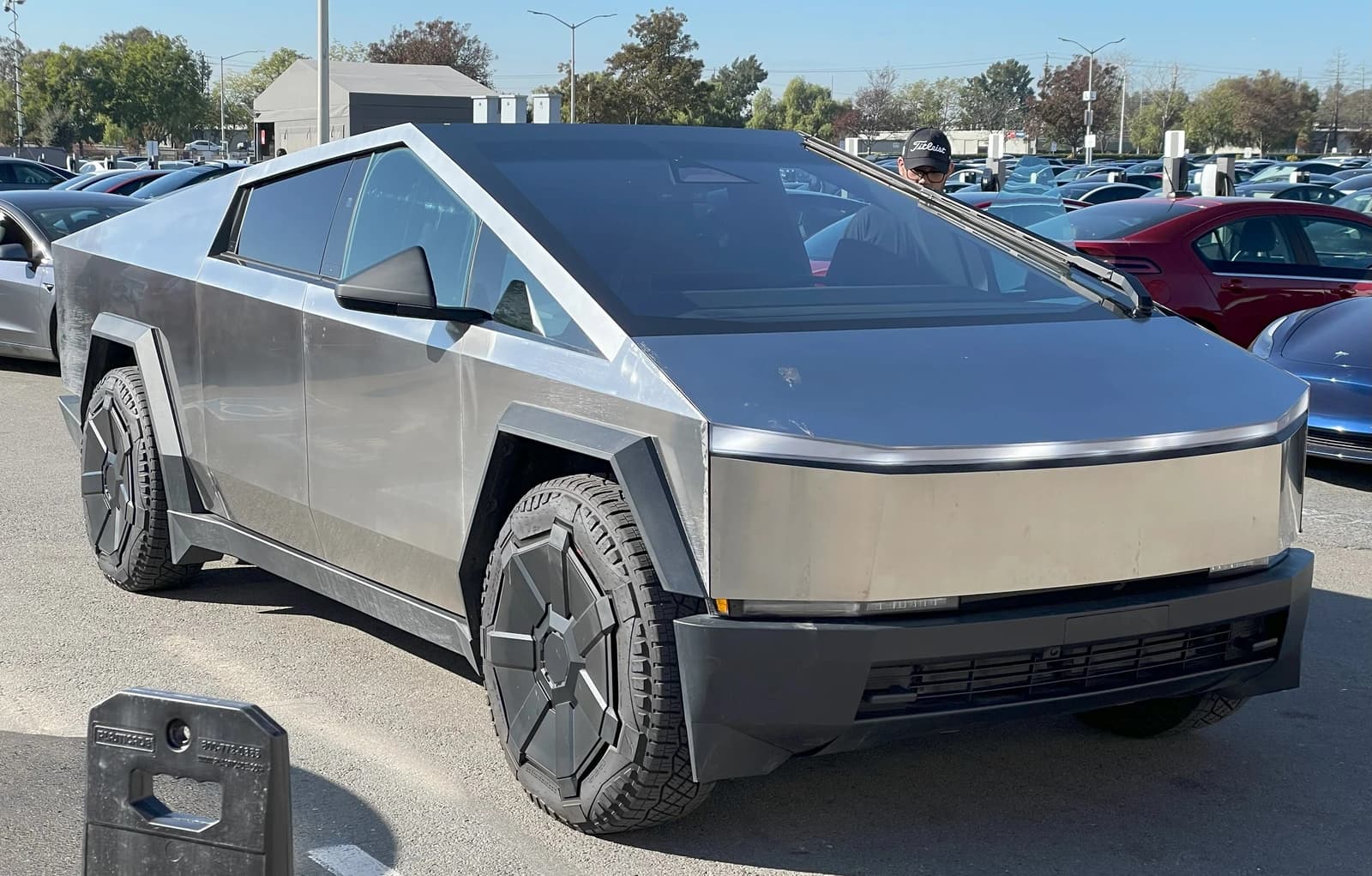
Tesla will end Cybertruck production next year, closing the book on a vehicle Elon Musk once pitched as a core pillar of the company's future and redirecting factory capacity toward its two-seat Cybercab robotaxi program.
Tesla to end Cybertruck production for Cybercab
The move underscores a bigger strategic pivot: Tesla is betting that autonomous vehicles, not its long-promised electric pickup, will drive the next phase of growth. For investors, that means more capital, manufacturing space and management attention flow to a robotaxi business that is still early but central to Musk’s AI thesis.
Sentiment Indicators
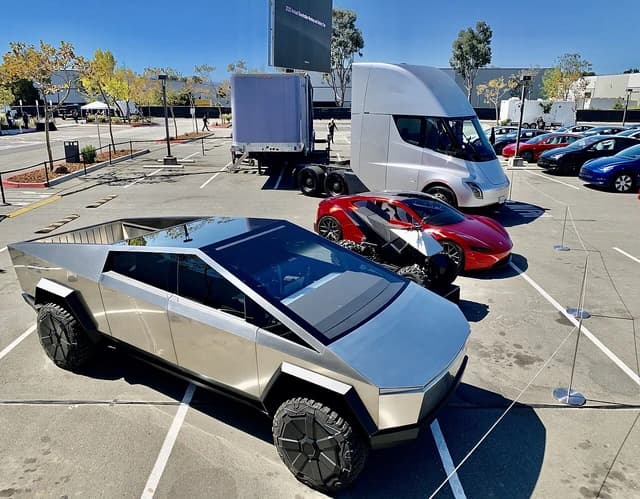
Musk said on X the company will repurpose the space for Cybercab production, adding a line item to a growing list of discontinued Tesla products as it leans harder into AI and robotics. Earlier this year, Tesla also ended Model S and Model X output at the dedicated factory space to make room for Optimus humanoid robots.
The Cybertruck, first unveiled in 2019, never delivered on the expectations Musk set for it. He originally suggested Tesla could sell about 250,000 a year, but the company has moved only tens of thousands in total over the past three years. The truck also missed its promised sub-$40,000 starting price and up to 500-mile range, landing instead at roughly $60,000 when it reached customers in late 2023 with a lower top-end range than advertised.
That weak uptake matters because Tesla had treated the Cybertruck as more than a niche product. Before construction began, the Texas plant was effectively branded the “Cybertruck factory,” and the truck was supposed to anchor Tesla’s presence in the pickup market. Instead, the vehicle became a reminder of the execution gap between Musk’s product pitch and Tesla’s delivery.
The timing also reflects a company that is trying to reposition itself beyond mass-market EVs. Tesla has spent the past two months putting Cybercabs on the streets in Austin and says it plans to expand the service to Dallas later this month. It also operates robotaxi versions of its Model Y in Austin, Houston and Dallas, as well as three cities in Florida.
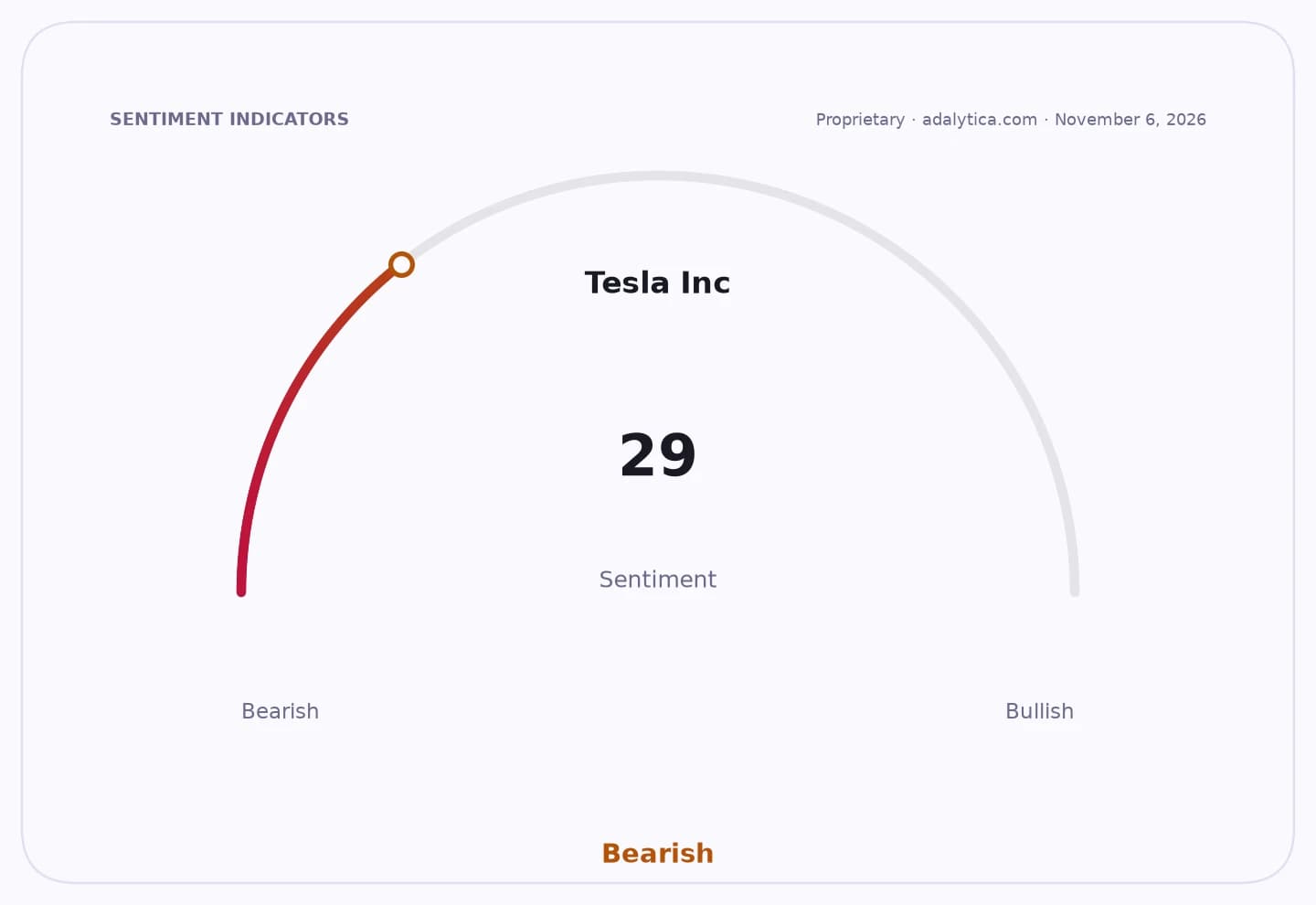
For shareholders, the shift is a double-edged trade-off. Killing a low-volume, polarizing product can improve capital efficiency, but it also shows how much Tesla is willing to sacrifice in automotive breadth to chase a still-uncertain robotaxi payoff. Adalytica’s Tesla earnings sentiment gauge is at 4.0, labeled “Extreme Fear,” while the stock has been volatile even as it remains near recent highs.
Tesla shares closed at $394.55 on Wednesday, above the 50-day moving average of $373.73 and just over the 200-day average of $383.05. Ford and General Motors, meanwhile, stand to benefit if Tesla’s retreat from the electric pickup market leaves more room for conventional truck buyers, though both automakers are also managing their own EV capacity resets.
The key catalyst now is execution on Cybercab rollout and whether Tesla can prove the robotaxi business justifies the factory reshuffle. If it cannot, the Cybertruck’s end could look less like a strategic evolution than another expensive misfire.
| Entity | Gains | Losses |
|---|---|---|
| Tesla Cybercab unit | ▲Factory space, focus, capital | ▼Near-term pickup revenue |
| Tesla Cybertruck program | ▲None | ▼Production ends in 2027 |
| Ford and GM | ▲More room in EV pickup market | ▼None |
| Tesla shareholders | ▲Cleaner AI narrative if rollout works | ▼Risk of another costly pivot |