Thailand could slash diesel prices by as much as 10 baht a litre if it replaces a fuel-pricing system distorted by excessive refining margins and opaque cost pass-throughs, according to former Bangchak Petroleum chairman Sopon Supapong.
Thailand diesel prices could fall on pricing overhaul
His argument matters because transport fuel remains one of the most politically sensitive inputs in Thailand’s economy, feeding directly into household living costs, logistics charges and business margins. If the pricing structure is as inflated as he claims, the issue is not just consumer hardship but a transfer of purchasing power from motorists to refiners, traders and middlemen.
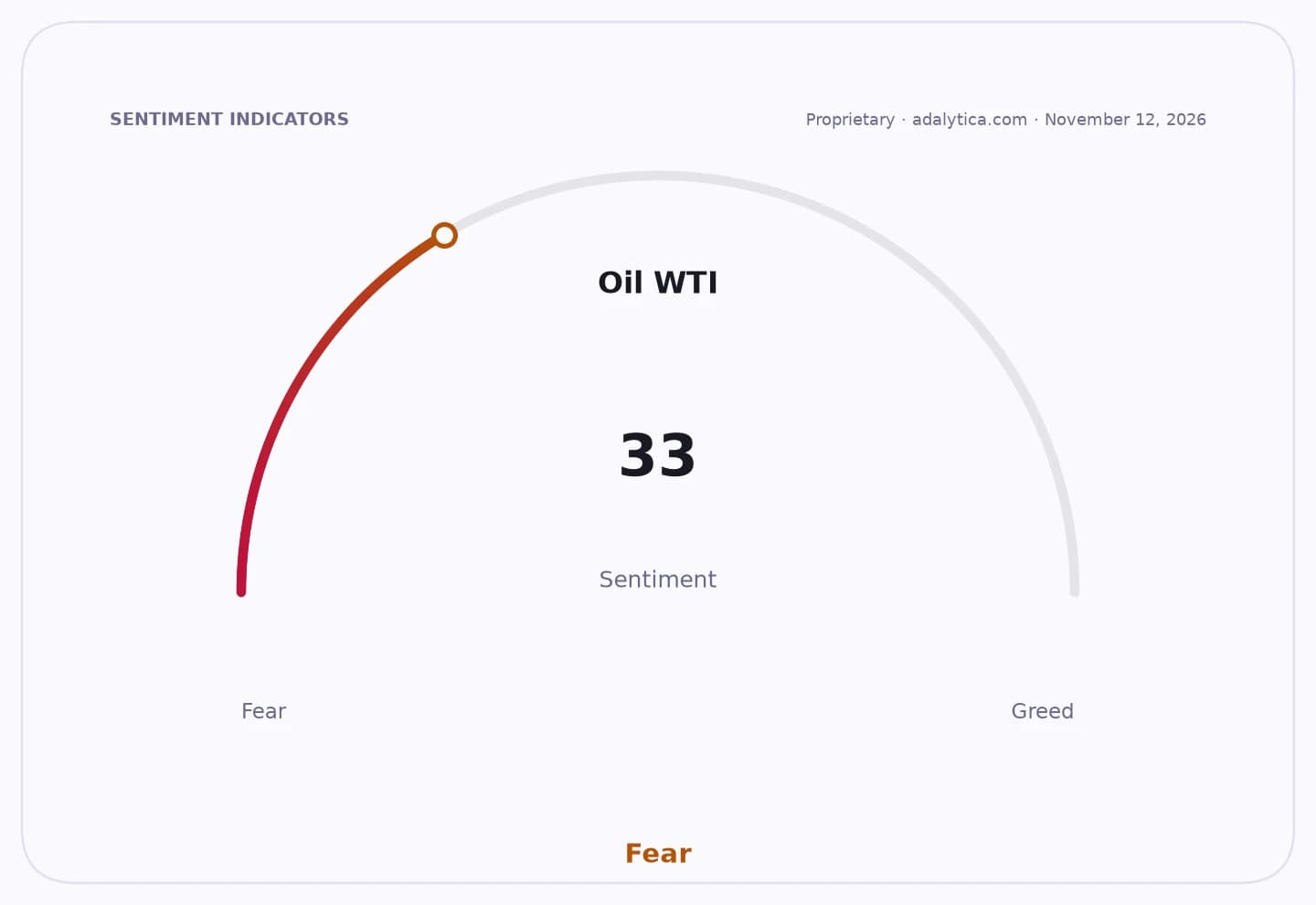
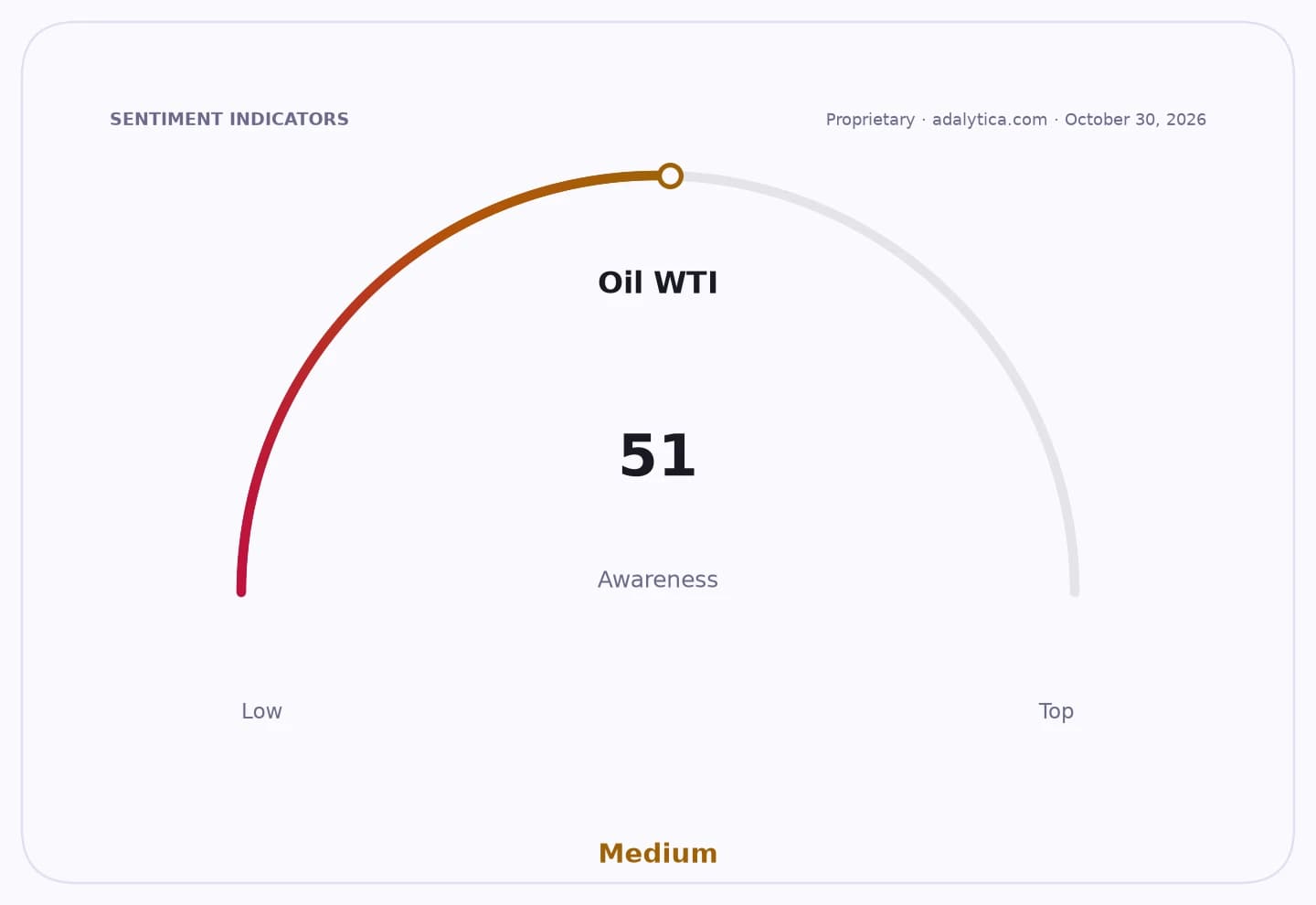
Sentiment Indicators
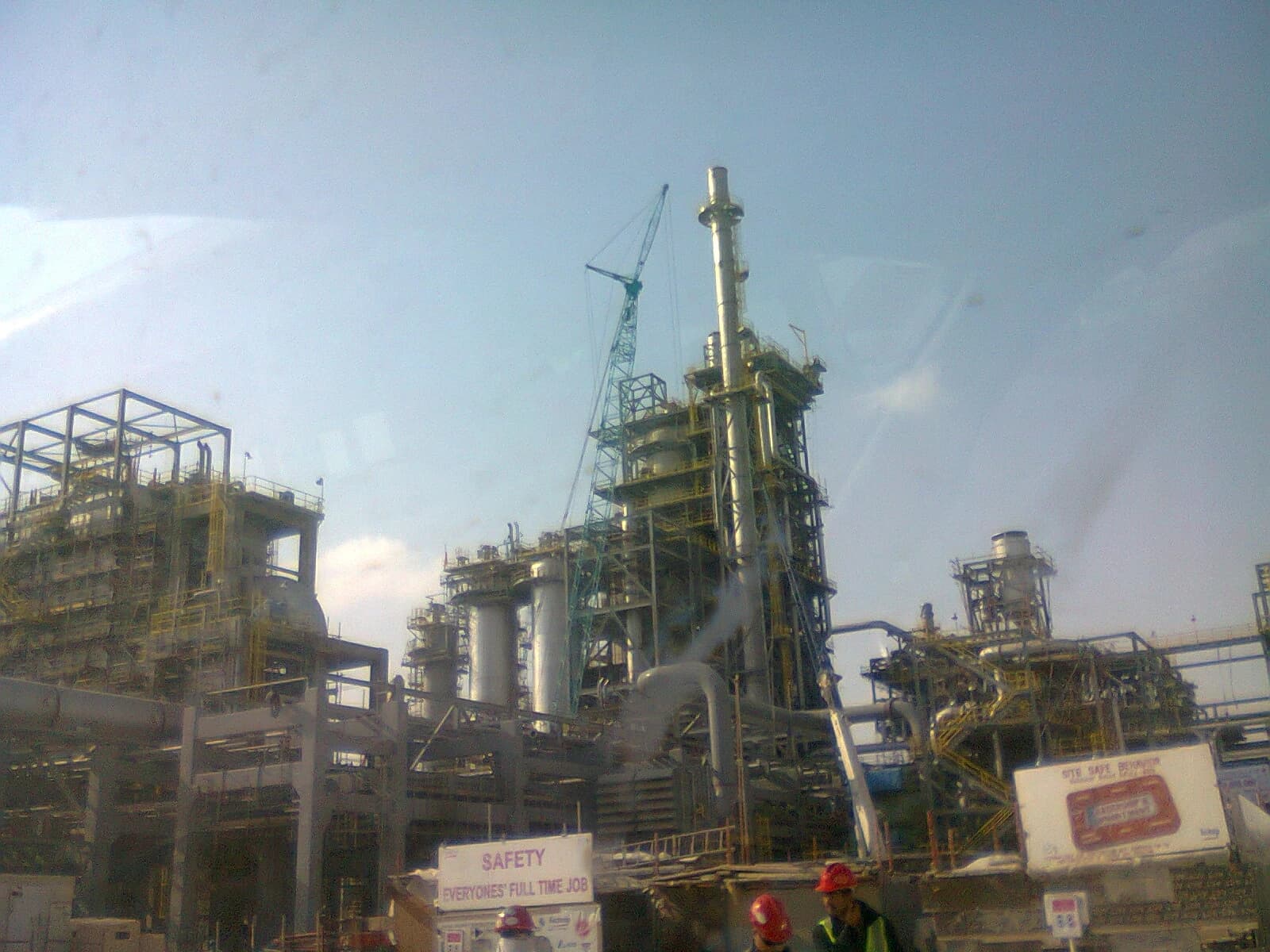
Sopon said the key lever is the gross refining margin, or GRM, which he said had once been held below 0.70 baht a litre, or about $3.50 a barrel, for two decades under earlier administrations. He contrasted that with a current range of about 6.46 to 6.58 baht a litre, describing the spread as abnormal and evidence that the system has drifted away from genuine cost recovery.
Thailand has long used administered energy pricing to balance inflation control, fiscal stability and industry incentives, but the debate has sharpened as oil markets stay volatile and inflation remains a constraint on policy. Brent and US crude have swung sharply over recent years, while Thai core inflation has remained elevated relative to pre-pandemic norms, keeping fuel costs in the political spotlight even when global crude eases.
The former executive accused politicians and officials of allowing “ghost” costs into the pricing formula, including transport charges from Singapore and crude oil premiums that he said do not reflect actual expenses. He also pointed to potential conflicts of interest involving state officials and executives linked to refiners, arguing that weak governance lets excess profits accumulate within the sector instead of flowing back to consumers.
For investors, the dispute goes beyond a populist call for lower pump prices. It raises the risk of a policy review that could squeeze domestic refining economics, tighten scrutiny of product pricing and reshape the earnings outlook for fuel distributors and refiners operating in Thailand. Any move to cap GRM more aggressively would likely be welcomed by consumers and transport users, but it could reduce sector profitability and pressure valuations if regulators intervene.
Sopon’s prescription is a broader overhaul of the National Energy Policy Council, including greater participation by consumer representatives and the removal of costs he says are not real. The bullish case for reform is lower living costs and improved competitiveness for Thai industry. The bearish case, for refiners and incumbents, is that a politically driven reset could undermine investment returns and invite a more interventionist state.
For now, the remarks underscore a familiar Thai policy fault line: the tension between keeping energy affordable and preserving commercial incentives in a market where fuel pricing remains both an economic tool and a political battleground.
| Entity | Gains | Losses |
|---|---|---|
| Consumers and motorists | ▲Lower fuel bills | ▼Less policy inertia |
| Thai transport and logistics firms | ▲Lower operating costs | ▼Refining-linked price pass-through |
| Refiners and fuel traders | ▲Regulatory certainty if unchanged | ▼Margins if GRM is capped |
| Thai government | ▲Political credit for reform | ▼Influence from vested interests |