Thailand’s agriculture ministry is pressing ahead with an 8 billion-baht plan to buy 500 electric rice harvesters, arguing the upfront price is justified because the machines will cut fuel costs, reduce carbon emissions and, over a 14-year lifespan, save farmers and the state more than 10 billion baht.
Thailand EV Rice Harvesters Plan Faces Backlash
That matters because the proposal is no longer just a procurement fight — it is a test case for whether governments across Asia are willing to subsidize the shift from diesel farm equipment to electric machinery. If Thailand approves the package, it could accelerate demand for battery-powered tractors and harvesters, create a new replacement cycle in a deeply cyclical sector and redirect capital toward the companies that make the components, charging systems and powertrains behind the machines.
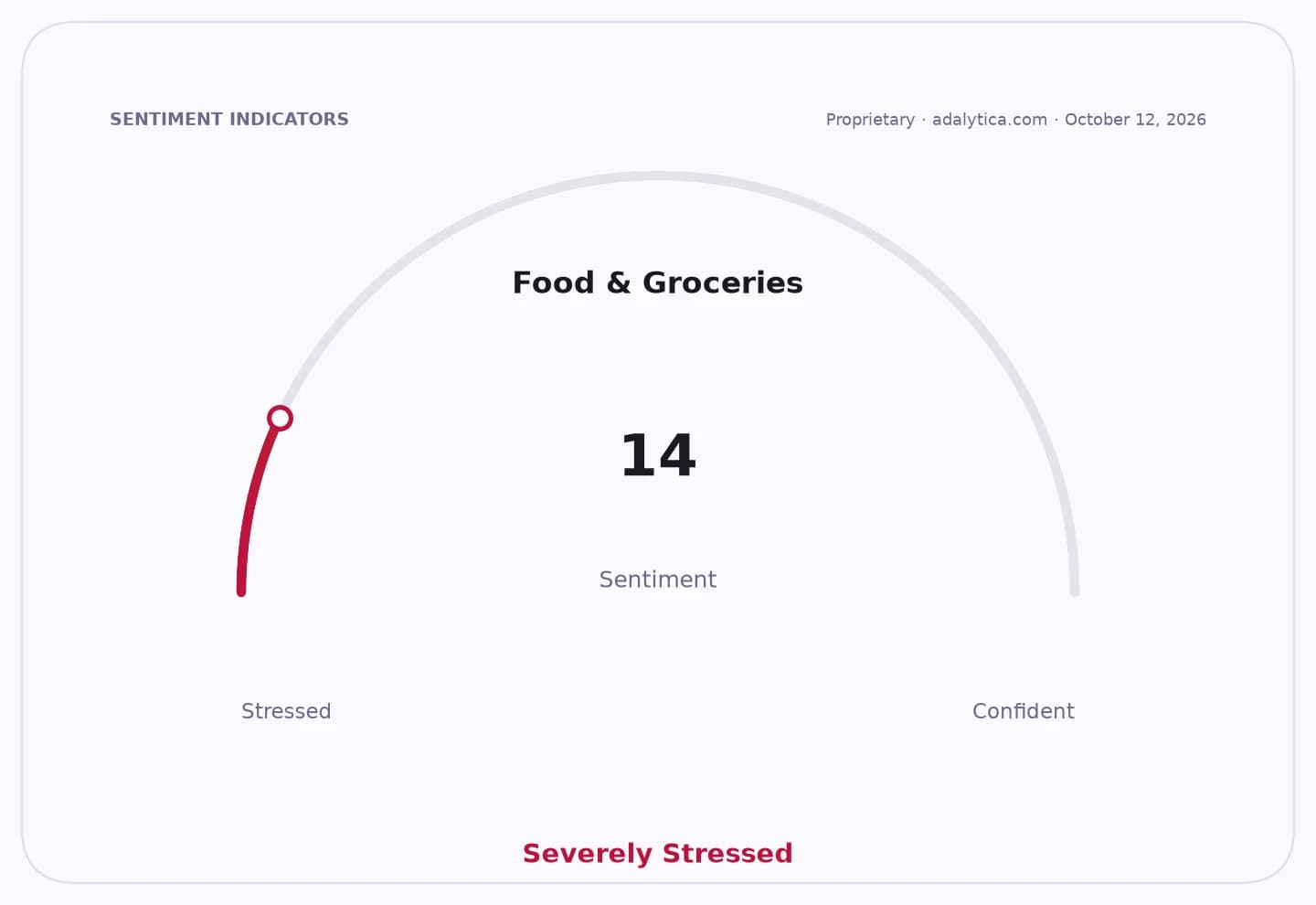
Sentiment IndicatorsⓘProprietary · adalytica.com · October 14, 2026
This is a snapshot — live sentiment, awareness and momentum for 130+ markets update continuously in the dashboard.Open AlphaPulse
Agriculture Minister Suriya Juangroongruangkit said the project looks expensive only on the surface, noting that rice department studies concluded the electric version is cheaper over its useful life because it does not burn fuel. He also pointed to the climate angle, saying the machines would help cut greenhouse-gas emissions and improve the environmental credentials of Thai rice exports, which could matter in overseas markets that increasingly scrutinize sustainability claims.
The headline number is what has triggered the backlash. Officials say the 8 billion-baht budget would fund 500 EV harvesters, implying a cost of 16 million baht each, while critics say comparable machines in the market cost around 1.6 million baht. That tenfold gap is politically explosive, but it also underscores the real economic question: whether public buyers can justify paying a premium today for lower operating costs tomorrow.
For investors, the story is less about this one Thai contract than about the direction of policy. Governments facing higher fuel costs, labor shortages and emissions pressure are increasingly willing to use public procurement to force adoption of cleaner machinery. That creates a possible multi-year tailwind for agricultural equipment makers with electrification exposure, battery suppliers, motor and control-system vendors, and service networks that can support fleet conversions.
The market has already seen how quickly capital can re-rate when electrification becomes policy-backed rather than purely consumer-led. The same logic that lifted EVs, charging infrastructure and grid equipment can eventually spill into agriculture, where diesel replacement is still early and underpenetrated. If Thailand moves first, other rice-producing countries could follow, especially if the ministry can demonstrate measurable fuel savings and export benefits.
Deere and AGCO are the obvious listed names investors will watch for spillover, even if the immediate revenue hit is likely small. More important is the precedent: once a government starts underwriting electric farm equipment on a large scale, it validates a new category of demand that could support higher orders for precision agriculture systems, batteries, electrified drivetrains and aftermarket maintenance. In that sense, the winners may be the picks-and-shovels suppliers rather than the headline machine brands.
The next catalyst is political, not technological. The proposal now goes to Thailand’s finance ministry screening committee, a process expected to take about two weeks. If it clears, the debate shifts from whether EV harvesters are too expensive to how quickly the state can scale them — and that is the kind of policy inflection point that can create an early, asymmetric opportunity in agricultural electrification.
| Entity | Gains | Losses |
|---|---|---|
| Thai government | ▲Climate credentials, farm policy control | ▼Political backlash over spending |
| Rice farmers | ▲Lower fuel costs, cleaner operations | ▼Higher upfront procurement costs |
| EV harvester suppliers | ▲New demand stream | ▼Pressure to justify premium pricing |
| Diesel equipment makers | ▲— | ▼Threat to replacement demand |