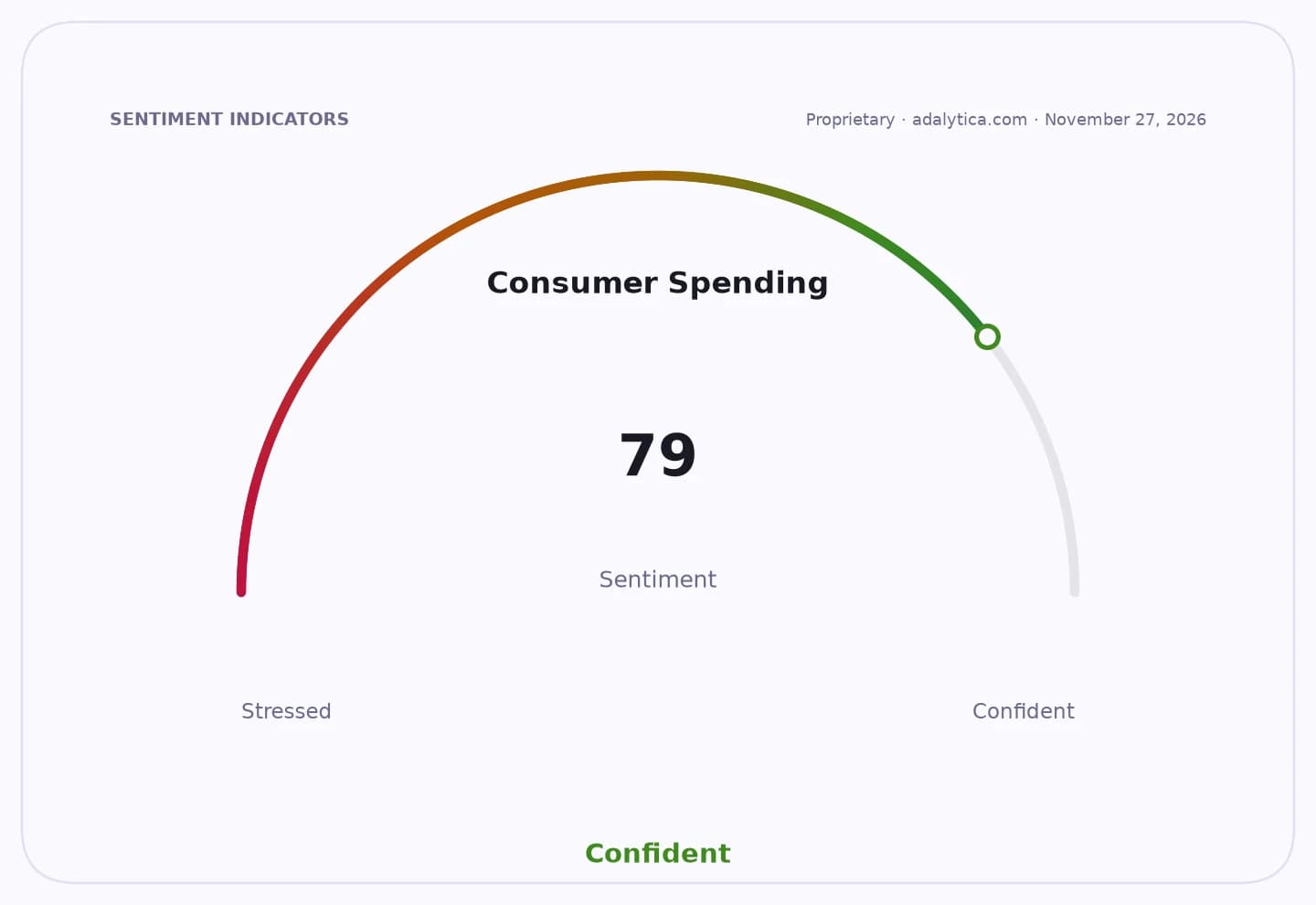
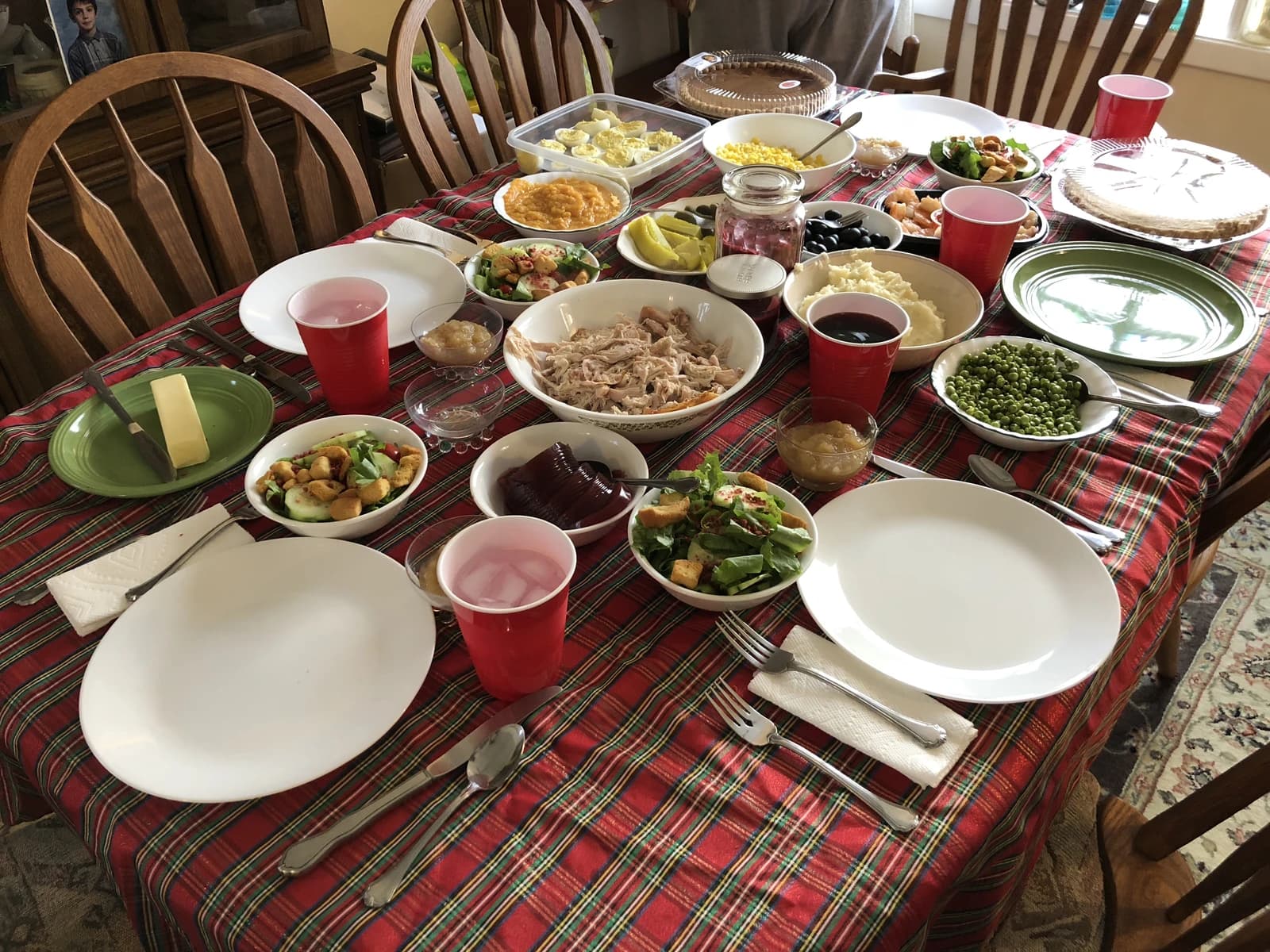
Six in 10 would-be Thanksgiving hosts say they may put the holiday on a card, a reminder that high borrowing costs are still squeezing household budgets even as the U.S. consumer keeps spending.
Thanksgiving Credit Card Spending Stays Under Pressure
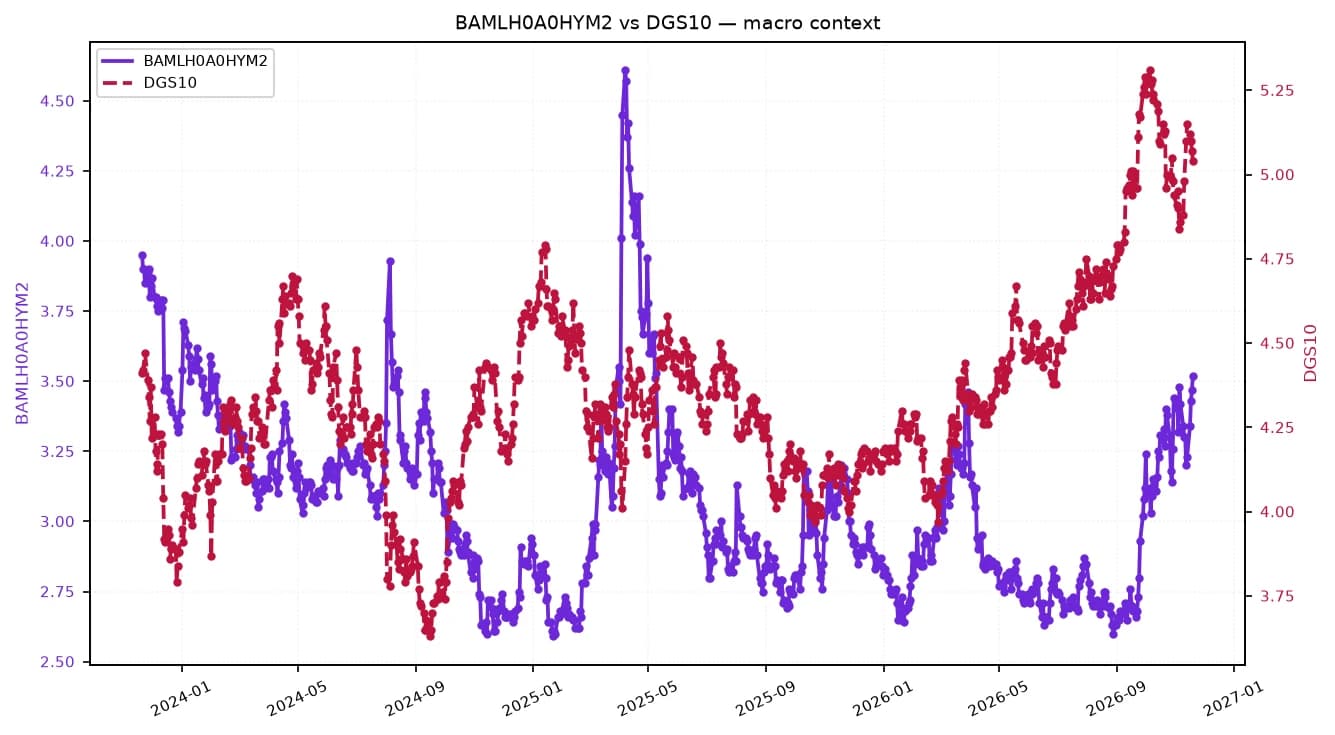
That matters because Thanksgiving is not just a seasonal shopping event — it is a snapshot of how much financial slack American families still have after a year of sticky rates. With the fed funds rate forecast near 3.89% and the 10-year Treasury yield around 4.84%, credit remains expensive enough that a feast financed on plastic can turn into months of interest charges. For households already stretched, the real risk is not the turkey itself but the revolving balance that follows it into 2026.
Sentiment Indicators

The message from consumer finance specialists is blunt: cut the menu before cutting a check. Compare grocery and big-box prices, use coupons, and build a fixed guest list before buying. If everyone brings something — a drink, dessert or side dish — the host avoids carrying the entire bill. That advice is especially important in an environment where consumers are more likely to lean on credit cards for everyday expenses, then get trapped by minimum payments and compounding interest.
For investors, the story is less about Thanksgiving than about credit quality. Card lenders are benefiting from resilient spend, but the same borrowing habits that support purchase volume can also inflate delinquencies and charge-offs. Capital One shares have fallen to about $182.52 from recent highs above $250, while American Express sits near $312.39, both reflecting a market that is watching card economics closely. Technical readings on Capital One show the stock well below its 50-day and 200-day moving averages, with RSI deeply oversold, underscoring how quickly sentiment has turned when investors worry about consumer strain.

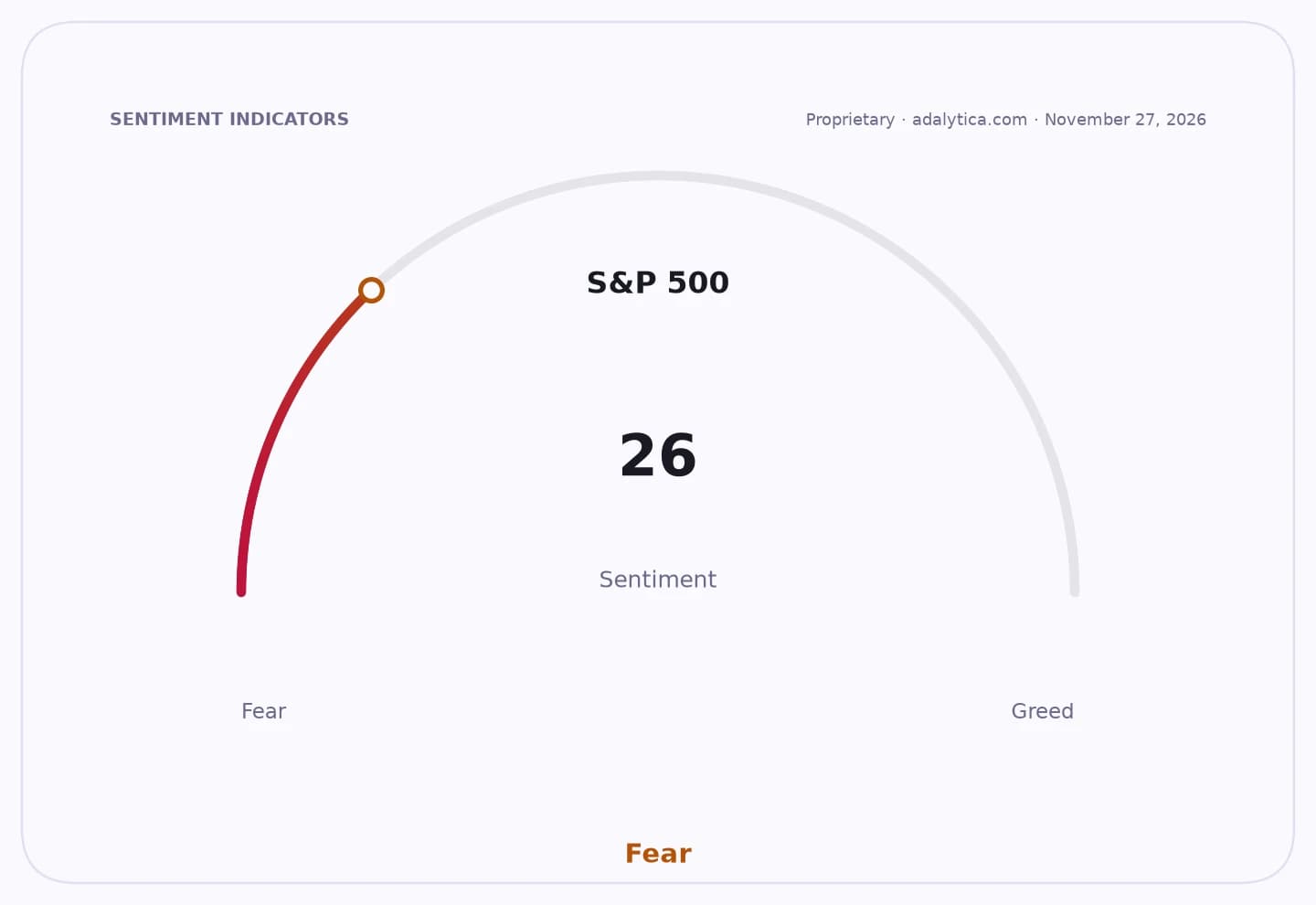
The broader backdrop is still mixed. Adalytica’s S&P 500 trade signals show fear in the market, even as Treasury bond sentiment has improved, a sign that investors are looking for safety while remaining cautious on risk assets. High-yield credit stress has also edged higher, with the BofA high-yield spread near 3.72 percentage points, suggesting lenders and consumers alike are facing a costlier funding environment.
That is why the practical takeaway matters: pay with cash if you can, cap the guest list, and split the menu. The hidden investment implication is that the best-positioned names are the lenders with disciplined underwriting and the retailers selling value, while the losers are households rolling a one-night meal into a long interest bill. In a high-rate economy, avoiding holiday debt is not just frugality — it is a strategy.
| Entity | Gains | Losses |
|---|---|---|
| Budget-conscious households | ▲Lower interest costs | ▼Holiday spending pressure |
| Big-box grocers/value retailers | ▲Traffic from price comparison | ▼Premium-food sellers |
| Card issuers | ▲Revolving interest income | ▼Higher delinquency risk |
| Consumers paying in cash | ▲Better financial flexibility | ▼Less short-term convenience |