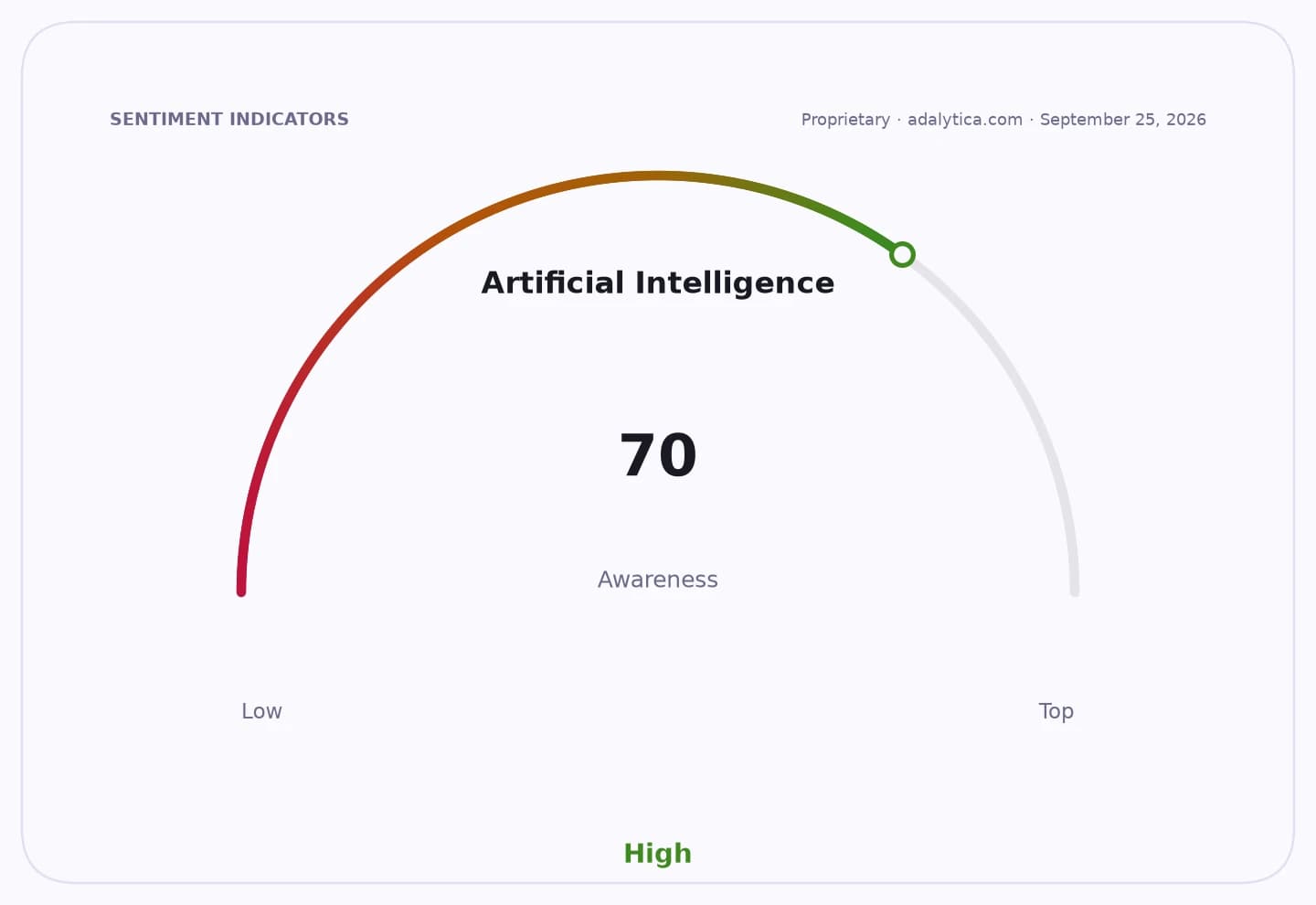
AI is doing more than changing software budgets — it is squeezing the supply chain behind everyday retail technology, making storage hardware scarcer and turning point-of-sale providers into beneficiaries of a spending boom that is being forced through the system by datacenter demand.
Toast and Shopify amid AI hardware inflation
The clearest sign is in the components themselves. Since mid-2025, memory cards and USB flash drives have nearly doubled in price as AI firms and datacenter operators soak up silicon that would otherwise have gone into low-cost consumer devices. That matters economically because it shows AI investment is no longer confined to chips and cloud contracts: it is spilling into adjacent markets, lifting input prices, redirecting manufacturing capacity and reshaping margins across retail hardware and software ecosystems.
For merchants, the immediate effect is higher costs for the gear that sits behind the counter. For suppliers such as Toast and Shopify, the broader effect is more complicated. Their shares have traded with the idea that AI will expand efficiency and monetization, but the price action in the underlying hardware market suggests the infrastructure buildout is also creating a new inflationary layer in retail tech. That can help companies with pricing power and recurring software revenue, while pressuring players exposed to commodity hardware or thin-margin resale.
Toast’s stock, for example, has recovered sharply from February lows near $26.14 and recently traded around $33.95 to $34.04, above both its 50-day and 200-day moving averages. Shopify, meanwhile, has rebounded to about $145 after a steep early-year drawdown, with its 50-day average still above the 200-day and RSI readings no longer in deeply oversold territory. Those moves reflect a market that is rewarding companies positioned to capture more digital commerce spending even as the cost of the hardware layer becomes less benign.
The narrative is straightforward: AI is not just a software story or a semiconductors story anymore. It is a capital-allocation story. Datacenters are absorbing component supply, consumer storage is getting repriced, and the retail tech stack is being pulled into the same economic gravity field. That could support revenue growth for the strongest platforms, but it also raises a bear case: if input inflation persists, merchants may delay upgrades, squeeze vendors on pricing or shift toward cheaper systems, limiting how much of the AI-driven demand boom ultimately reaches earnings.
Investors should watch whether the current squeeze spreads beyond storage into payment terminals, networking gear and other merchant hardware. If it does, the winners will be the platforms that can pass through costs and monetize software; the losers will be the commodity suppliers and merchants with the least pricing power.
| Entity | Gains | Losses |
|---|---|---|
| AI datacenter builders | ▲More supply priority | ▼Higher component costs |
| Toast | ▲Stronger software pricing power | ▼Merchant hardware cost pressure |
| Shopify | ▲More merchant digitization demand | ▼Potentially slower merchant spending |
| Consumers and small merchants | ▲Better tools and efficiency | ▼Pricier retail tech inputs |