Together AI is pushing deeper into one of artificial intelligence’s most commercially important frontiers: live voice. By adding real-time voice capability to its open inference stack, the company is trying to make it easier for developers to build AI applications that can listen, respond and iterate in near real time — a step that matters because voice is one of the clearest paths from experimental chatbots to products people actually use.
Together AI adds real-time voice to open inference

That shift matters economically because voice changes the value of inference itself. Text-based AI already lives and dies on model quality and cost, but real-time speech raises the stakes on latency, reliability and compute efficiency. If Together AI can make open inference fast and accessible enough for production voice workloads, it could attract startups and enterprises that want alternatives to the tightly controlled stacks offered by the biggest cloud and chip players. In a market still spending heavily on AI infrastructure, the winners are likely to be the platforms that make deployment simpler, cheaper and more scalable.
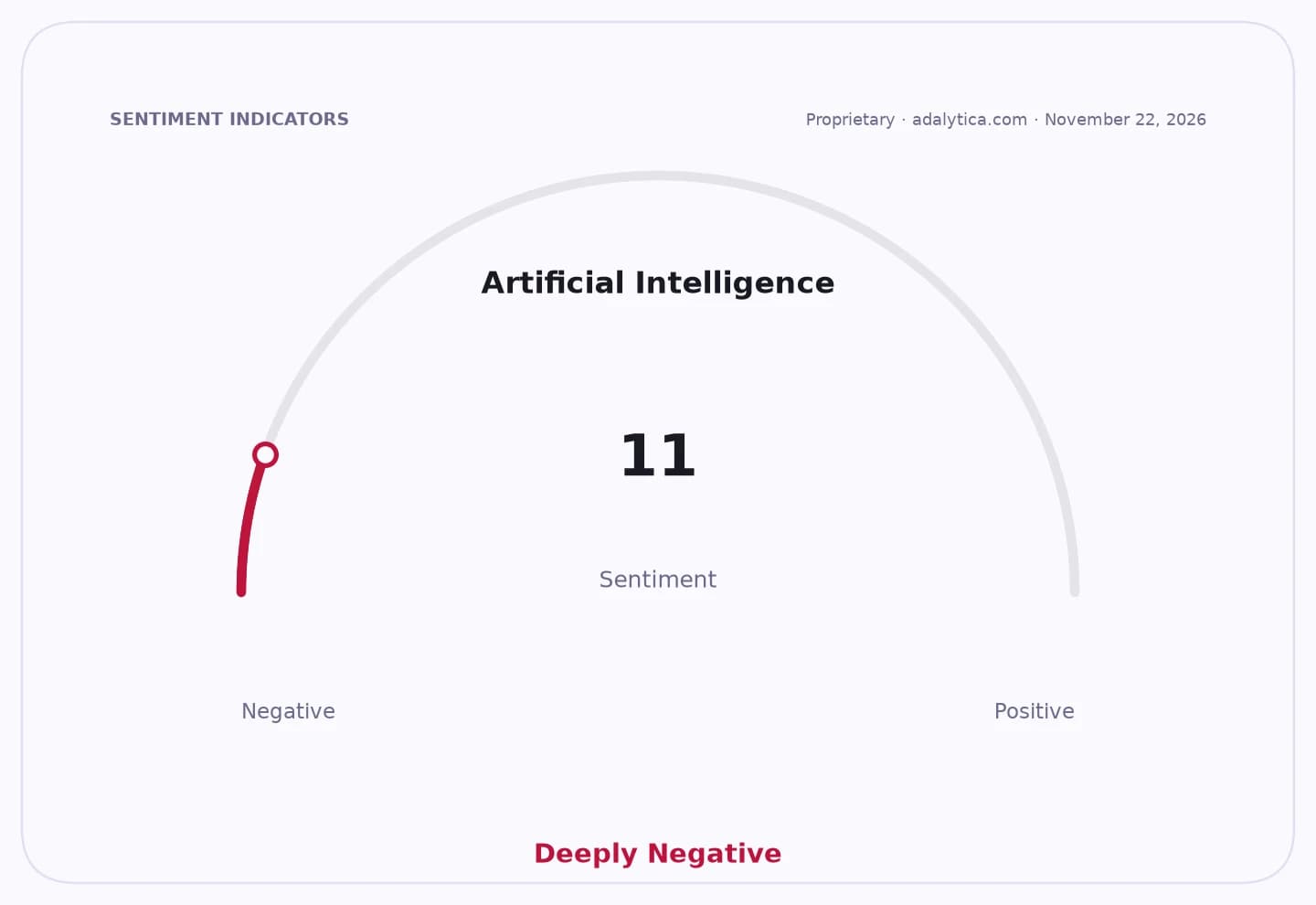
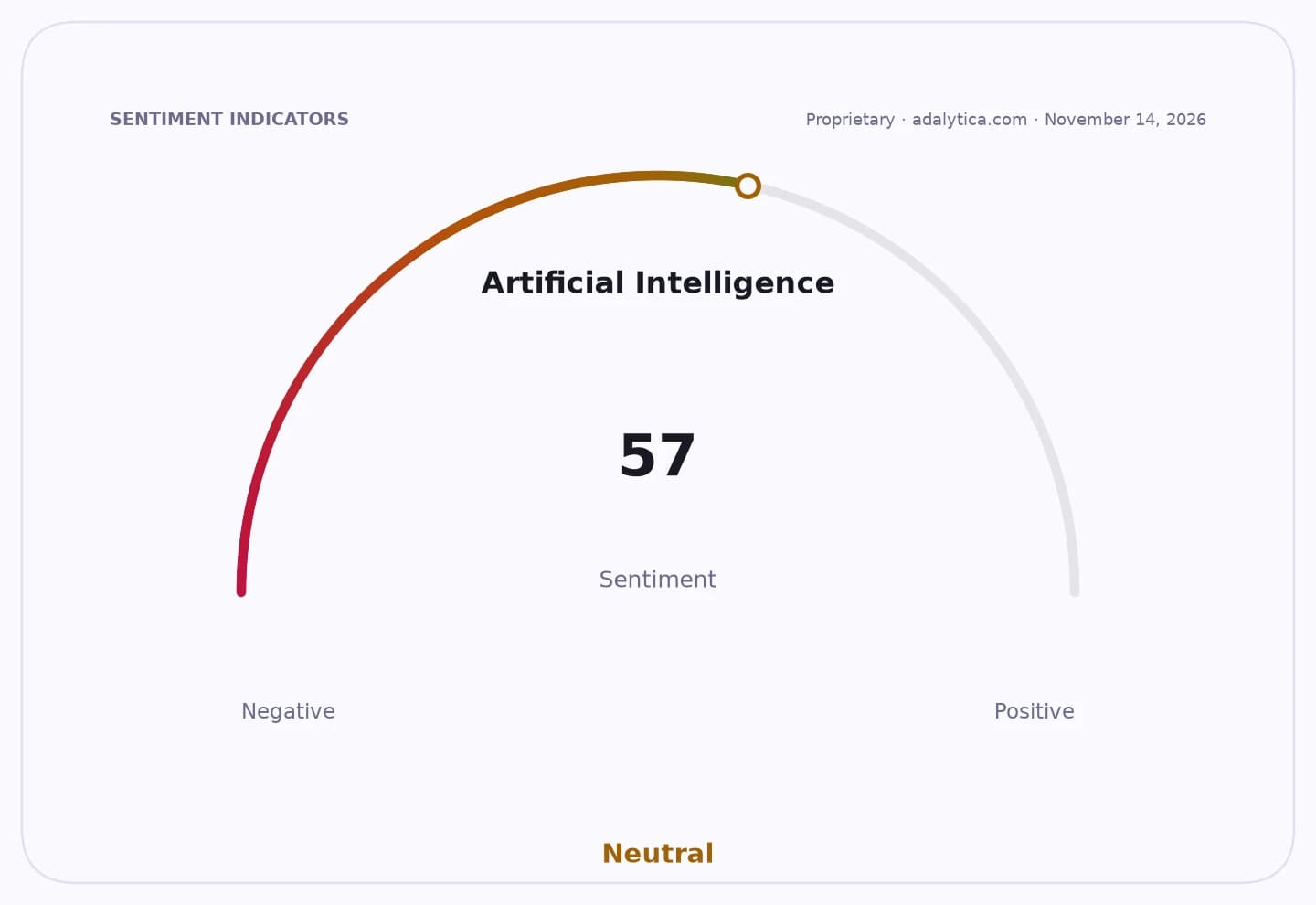
Sentiment Indicators

The move also fits a broader industry pattern. Voice AI is moving from novelty to interface layer, and that has implications for everything from customer service and call centers to education, productivity software and accessibility tools. It is also one more sign that the AI race is no longer just about training giant models. Investors are increasingly focused on who captures the inference layer, where usage scales with demand and where recurring revenue can be more durable. That is why the next phase of AI competition is likely to reward companies that can deliver fast response times, lower operating costs and broad developer adoption.
For investors, the significance runs beyond Together AI itself. Real-time voice applications can drive more GPU demand, more cloud usage and more pressure on software companies to embed conversational interfaces into their products. That creates a favorable backdrop for the broader AI ecosystem, including infrastructure providers and chipmakers, even as competition intensifies and margins come under pressure. It also helps explain why the market remains so sensitive to evidence of real-world AI adoption rather than hype alone.

There are risks, of course. Voice systems are harder to perfect than text, especially across accents, languages and noisy environments. That is not just a technical nuisance; it can determine whether AI reaches mass adoption or remains confined to niche use cases. The companies that win here will need more than model benchmarks. They will need dependable latency, broad language coverage and enough trust to be deployed in front of paying customers.
Still, the direction is clear. Real-time voice is becoming a core battleground in AI, and Together AI’s push into open inference suggests the next wave of value will come from making generative AI feel less like a tool and more like a natural interface. For long-term investors, that is a trend worth watching closely — because the companies that make AI easier to use often become the ones that compound the fastest.
| Entity | Gains | Losses |
|---|---|---|
| Together AI | ▲Developer adoption, platform relevance | ▼Proprietary closed-stack rivals |
| Enterprises / startups | ▲Lower-friction voice AI deployment | ▼Complexity of building in-house stacks |
| GPU and cloud providers | ▲Higher inference demand | ▼Margin pressure from heavier competition |
| Consumers and accessibility users | ▲Faster, more natural AI interactions | ▼Systems that struggle with accents and languages |