Tokyo Gas is looking to expand deeper into Southeast Asia’s floating LNG terminal business, a move that would give Japan’s biggest city gas supplier a bigger role in one of the fastest-growing parts of the global gas market.
Tokyo Gas Plans Southeast Asia LNG Expansion
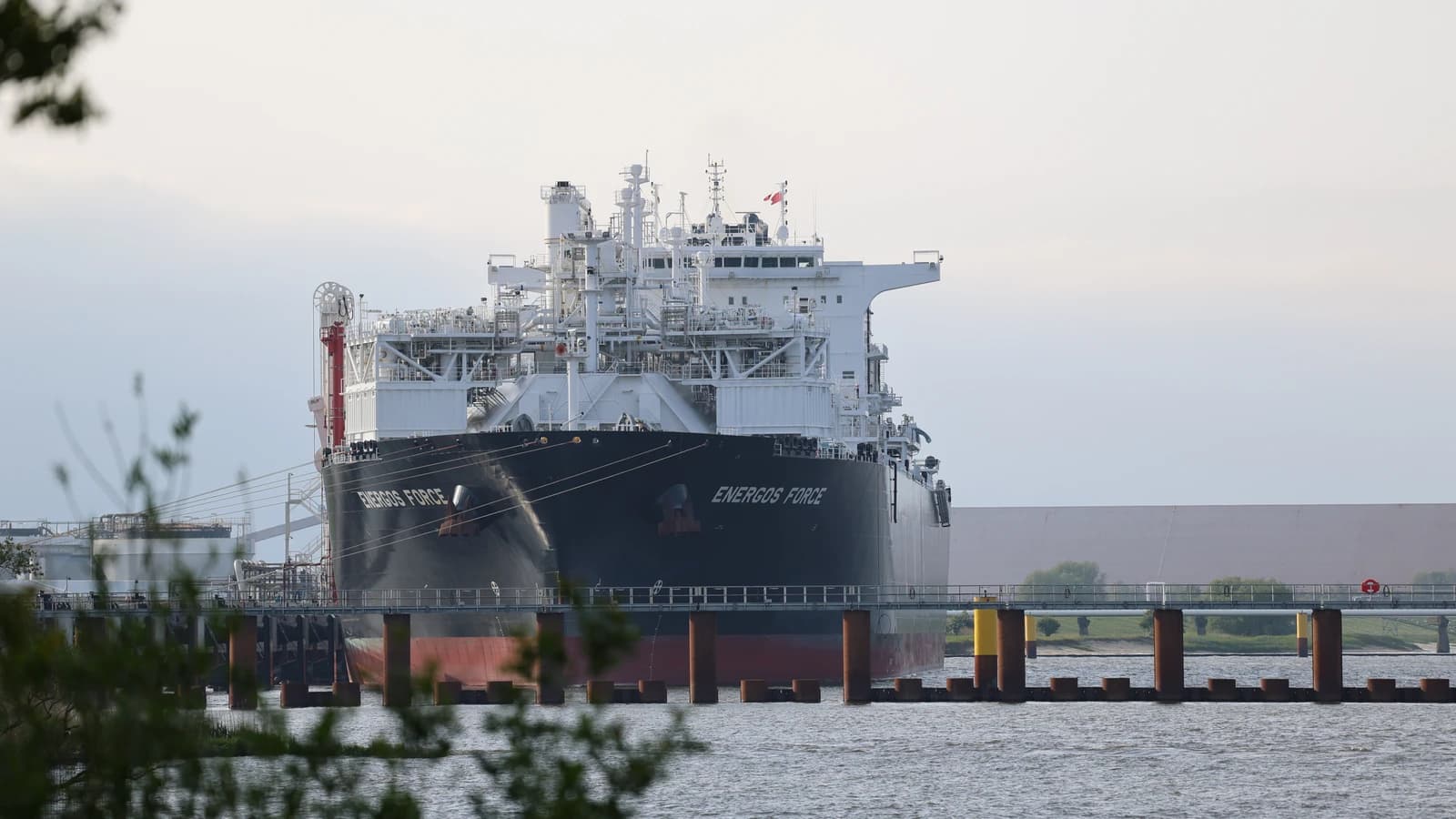
The strategy matters because floating storage and regasification units, or FSRUs, have become a faster and cheaper way for countries to secure gas imports without waiting years for onshore terminals. In a market still shaped by supply tightness, shipping risk and uneven infrastructure, that makes floating terminals a strategic asset rather than a niche piece of hardware. For Tokyo Gas, the opportunity is not just to sell equipment or engineering services, but to tap recurring fees and long-dated contracts tied to energy security demand across Asia.
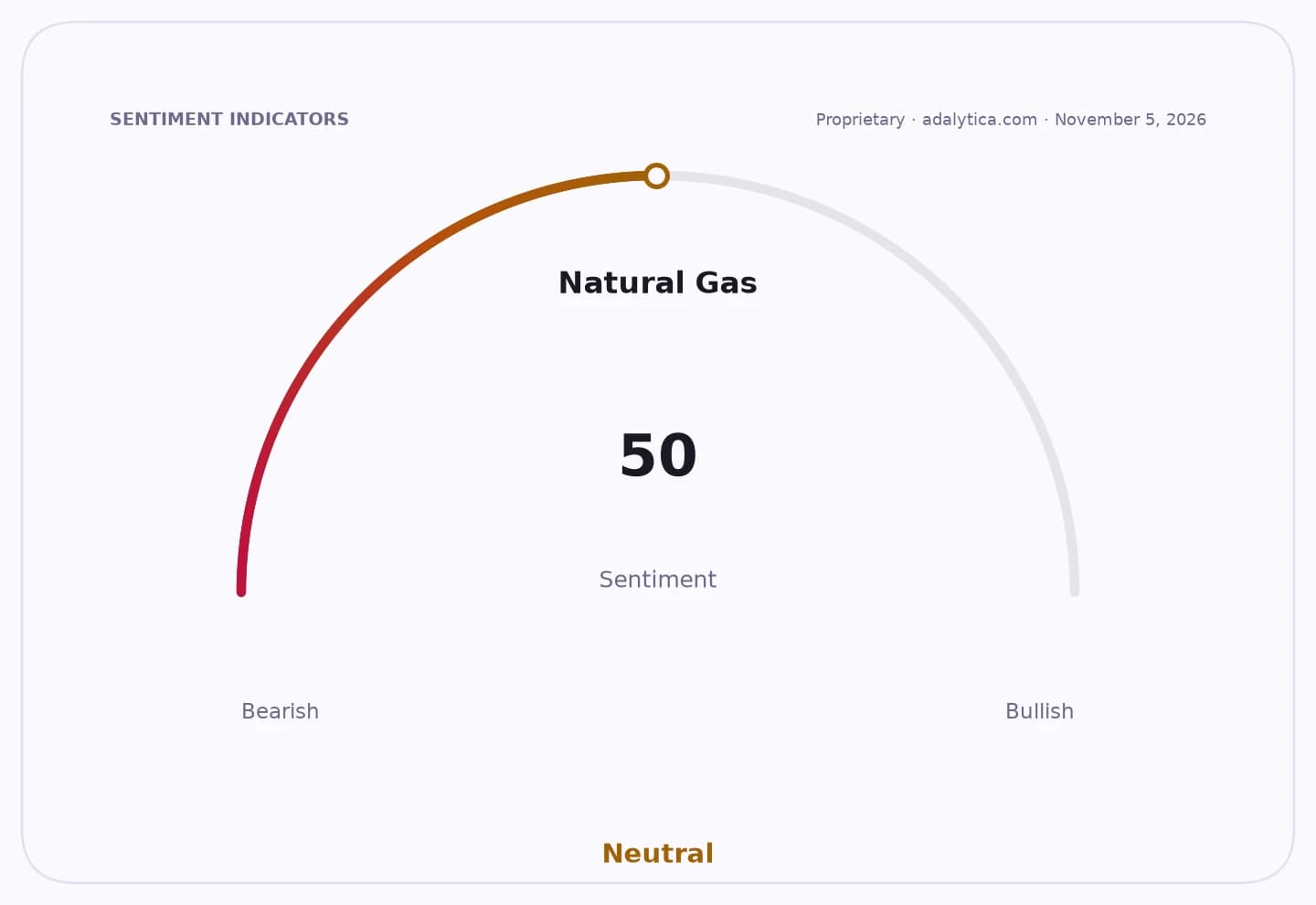
Sentiment Indicators
That backdrop is supportive for LNG-linked businesses more broadly. Europe’s drive to diversify supply has kept LNG infrastructure in focus, while demand in Asia remains sensitive to power shortages, weather and geopolitics. The emphasis on floating import capacity also fits a broader trend toward modular projects that can be deployed more quickly in markets such as the Philippines, Vietnam, Thailand and Indonesia, where governments want fuel flexibility without committing to multibillion-dollar coastal terminals.
For investors, the appeal is that Tokyo Gas is trying to turn a core utility franchise into a regional growth platform with more exportable earnings. The company’s shares have been volatile around that transition: Tokyo Gas closed at 6,030 yen on Oct. 15, below its 200-day moving average near 6,506 yen and with a relative-strength reading in the mid-40s, suggesting the stock has yet to fully re-rate on the expansion story. The longer-term case is that a bigger role in Southeast Asia could diversify earnings away from domestic regulated gas demand, which tends to be slow-growing and exposed to Japan’s structural energy transition.
There are, however, clear execution risks. Tokyo Gas would be entering a field where the economics depend on project financing, government approvals, long-term offtake agreements and competition from established LNG players and infrastructure developers. Any delays in project awards or a cooling in LNG prices could pressure returns. But if Southeast Asian governments continue to prioritize energy security and faster buildouts, floating terminals may prove one of the more investable routes for gas infrastructure growth.
For Tokyo Gas, the next catalyst will be whether expansion plans translate into signed projects and visible revenue streams. For the market, the question is whether the company can convert a defensive utility profile into a higher-growth LNG infrastructure story without taking on too much country or project risk.
| Entity | Gains | Losses |
|---|---|---|
| Tokyo Gas | ▲Regional growth opportunities | ▼Domestic-only earnings mix |
| Southeast Asian governments | ▲Faster gas access | ▼Dependence on legacy imports |
| LNG infrastructure rivals | ▲Sector expansion demand | ▼Pricing power on new projects |
| Utility-focused investors | ▲Diversification upside | ▼Low-growth utility model |