Malampaya Phase 4 has begun delivering gas into the Luzon power system, a milestone that could ease the Philippines’ dependence on imported fuel and support lower electricity prices in a country where power costs remain a major inflation driver.
Malampaya Phase 4 Starts Gas Deliveries in Luzon
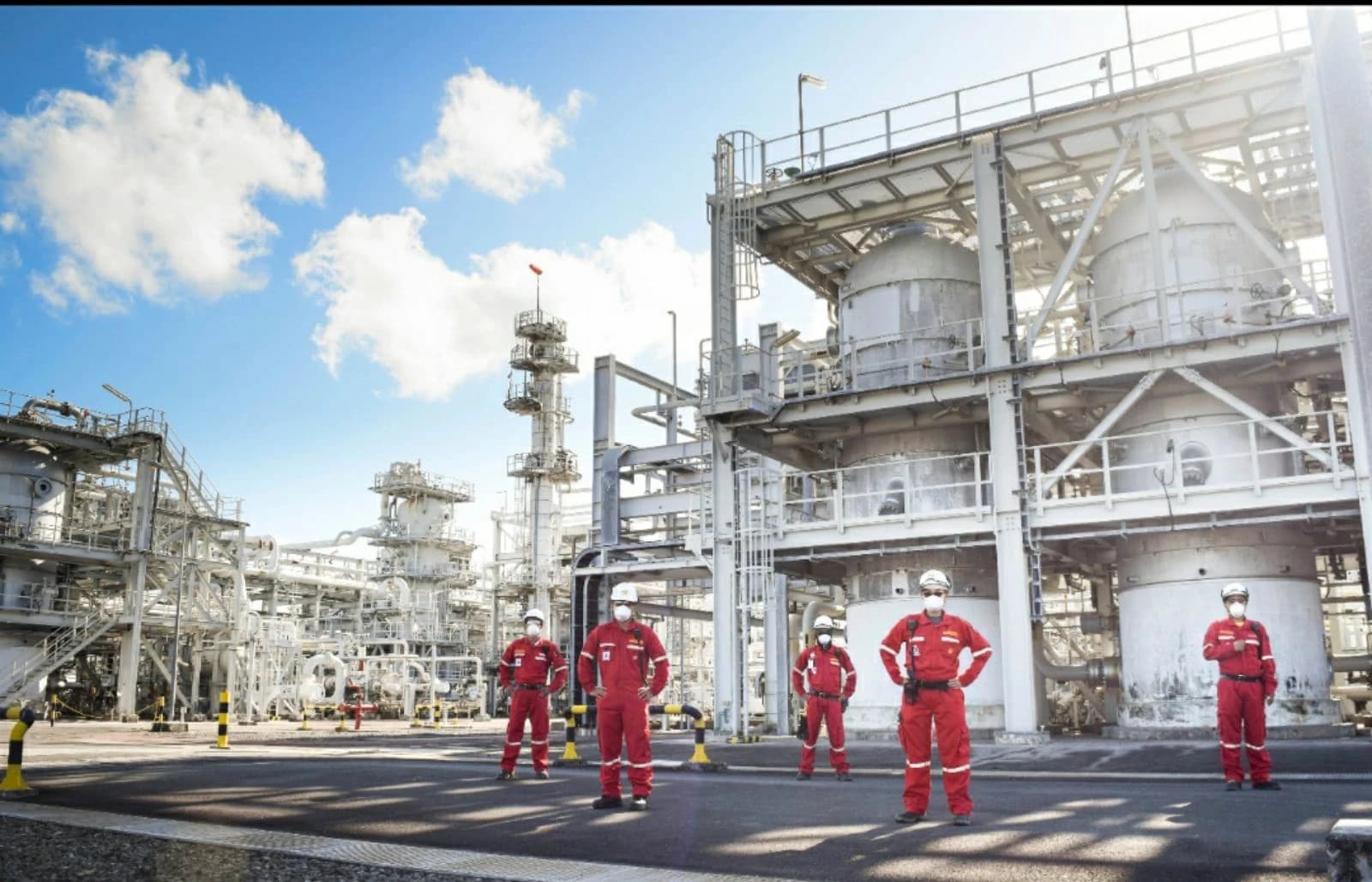
The first deliveries from the Malampaya East-1 and Camago-3 wells connect new offshore reserves in Palawan directly to the Malampaya gas transmission network in Batangas, extending the life of the country’s most important domestic gas source. The project adds 222 billion cubic feet of recoverable reserves, enough to power 13.11 million households and generate about 31.46 billion kilowatt-hours of electricity.
Sentiment Indicators
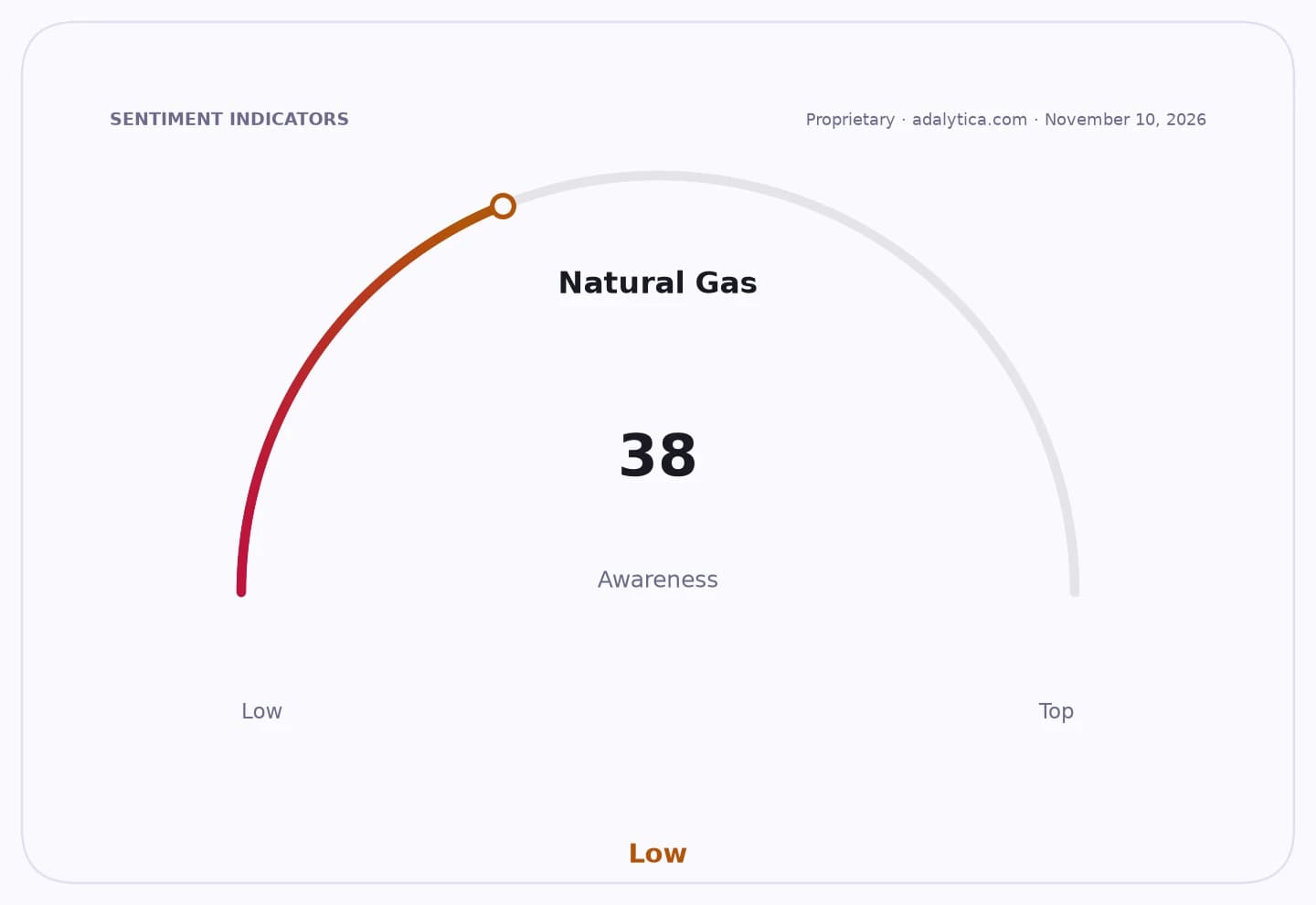
That matters because the Philippines imports more than half of its energy needs, leaving the economy vulnerable to supply shocks and volatile global LNG prices. Domestic Malampaya gas costs about P4.80 per kilowatt-hour, roughly half the price of imported liquefied natural gas, giving utilities and regulators a cheaper baseload alternative at a time when housing, water, electricity and gas prices have been pushing inflation higher.
For investors, the significance is twofold. First, the project strengthens the country’s energy security and reduces the risk premium tied to imported fuel exposure. Second, it improves the economics for power generators and grid operators that have been squeezed by high fuel costs and recurring supply alerts in the Visayas and Mindanao. If Malampaya can lift domestic gas availability meaningfully, it could pressure LNG import demand at the margin and narrow the gap between regulated power tariffs and consumer bills.
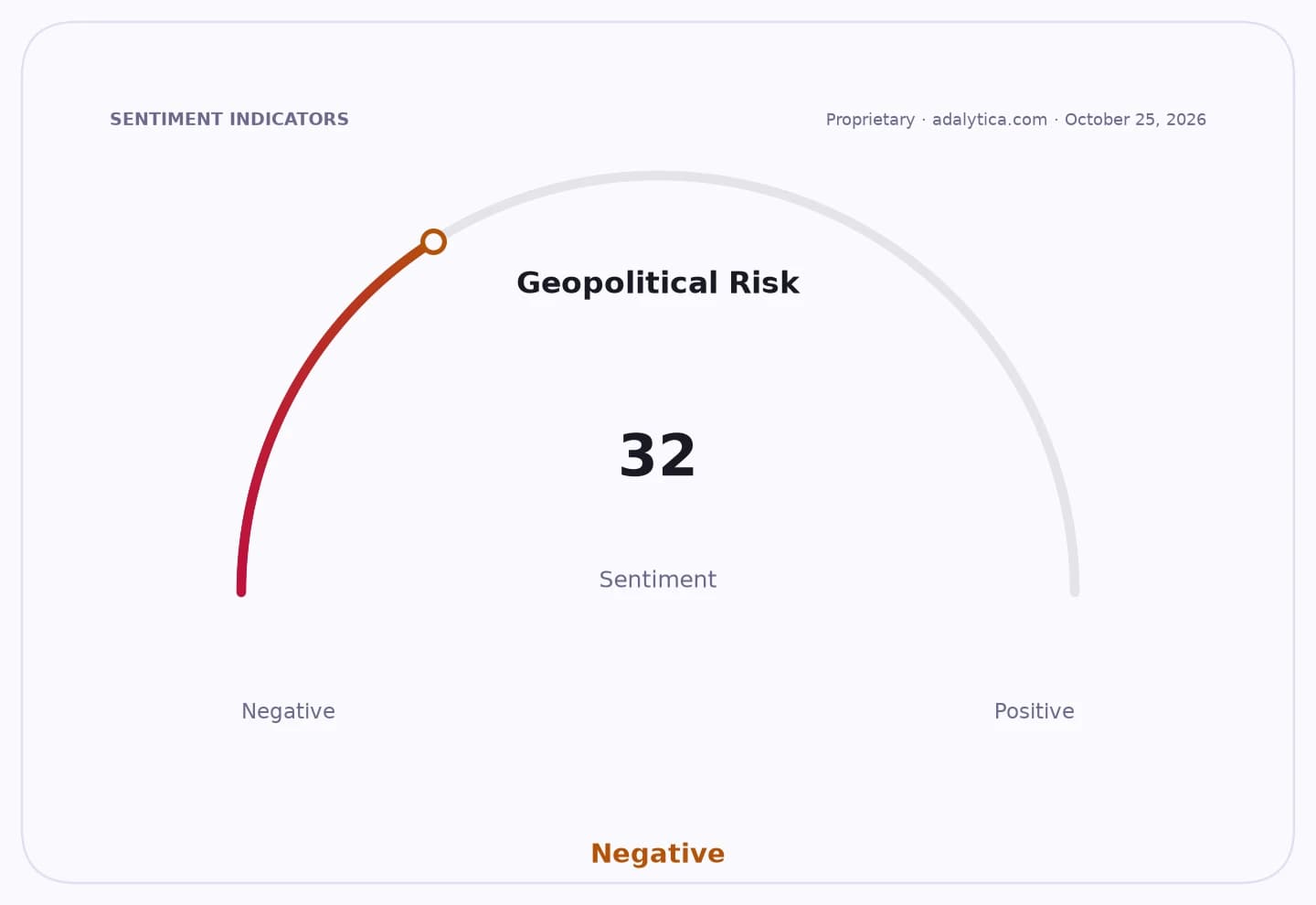
The move also lands in a more volatile geopolitical backdrop, where energy markets are still sensitive to Middle East disruptions and broader commodity swings. In that environment, domestic gas infrastructure becomes a strategic asset, not just a utility story. The Philippine government’s state of national energy emergency underscores how much policy urgency is now attached to supply reliability.
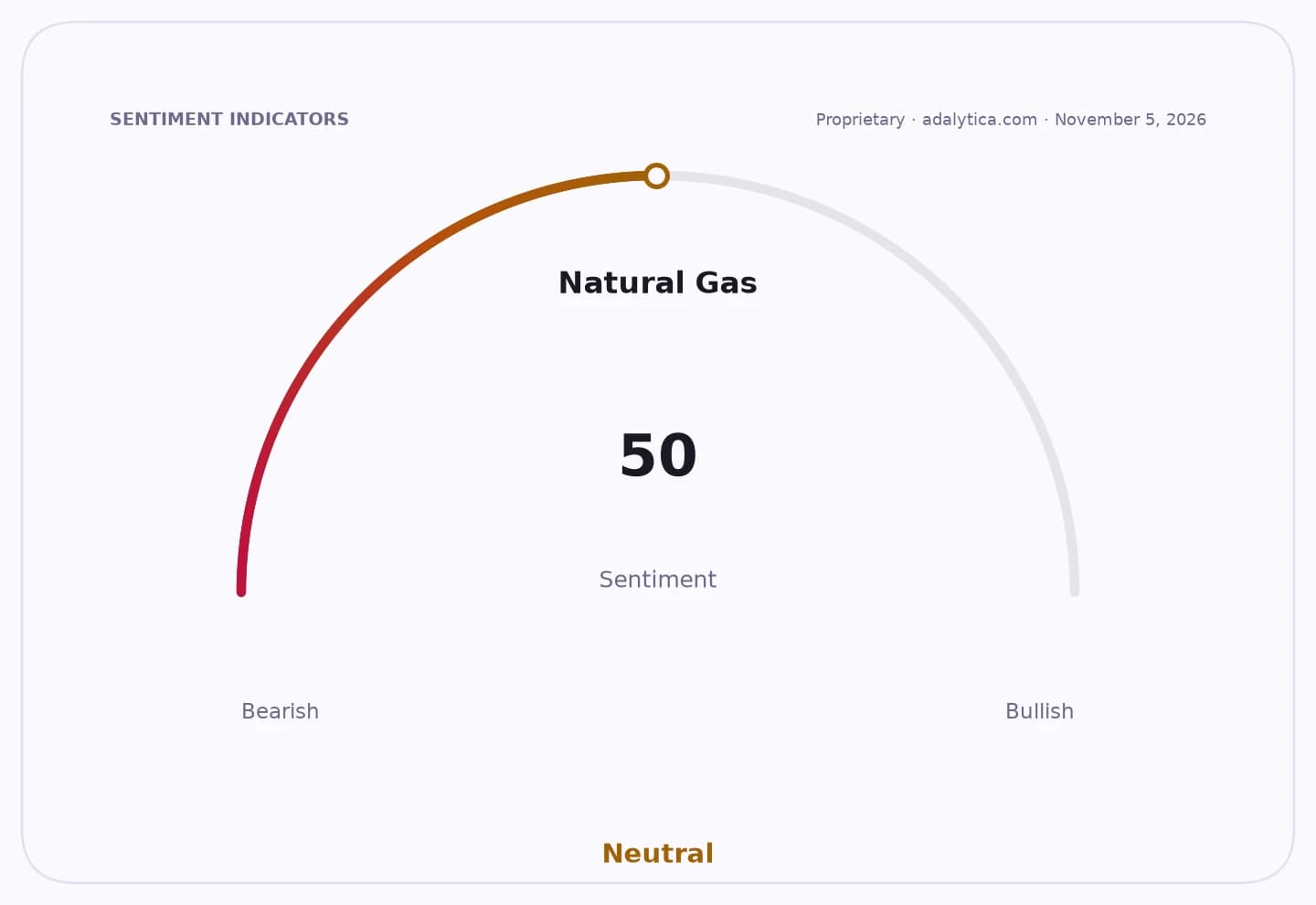
The market is underestimating how powerful this kind of infrastructure inflection can be. Energy self-reliance does not arrive all at once, but once a domestic fuel source is tied to power plants and flowing reliably, it can reshape tariff expectations, capex planning and investor appetite across the utility chain. The key takeaway: Malampaya Phase 4 is not just a gas milestone — it is a structural tailwind for Philippine energy security and a potential headwind for imported LNG-linked pricing power.
| Entity | Gains | Losses |
|---|---|---|
| Malampaya operators | ▲Higher output visibility | ▼None in the near term |
| Philippine utilities | ▲Cheaper fuel supply | ▼LNG import exposure |
| Households | ▲Lower power-rate pressure | ▼Persistent inflation relief delays |
| LNG importers | ▲— | ▼Lower marginal demand |