Mubadala Energy says it wants to double production over the next decade, a sign that one of Abu Dhabi’s most important energy investors sees natural gas as a durable growth business even as the wider market wrestles with volatility and supply shocks.
Mubadala Energy Plans to Double Production
Natural Gas
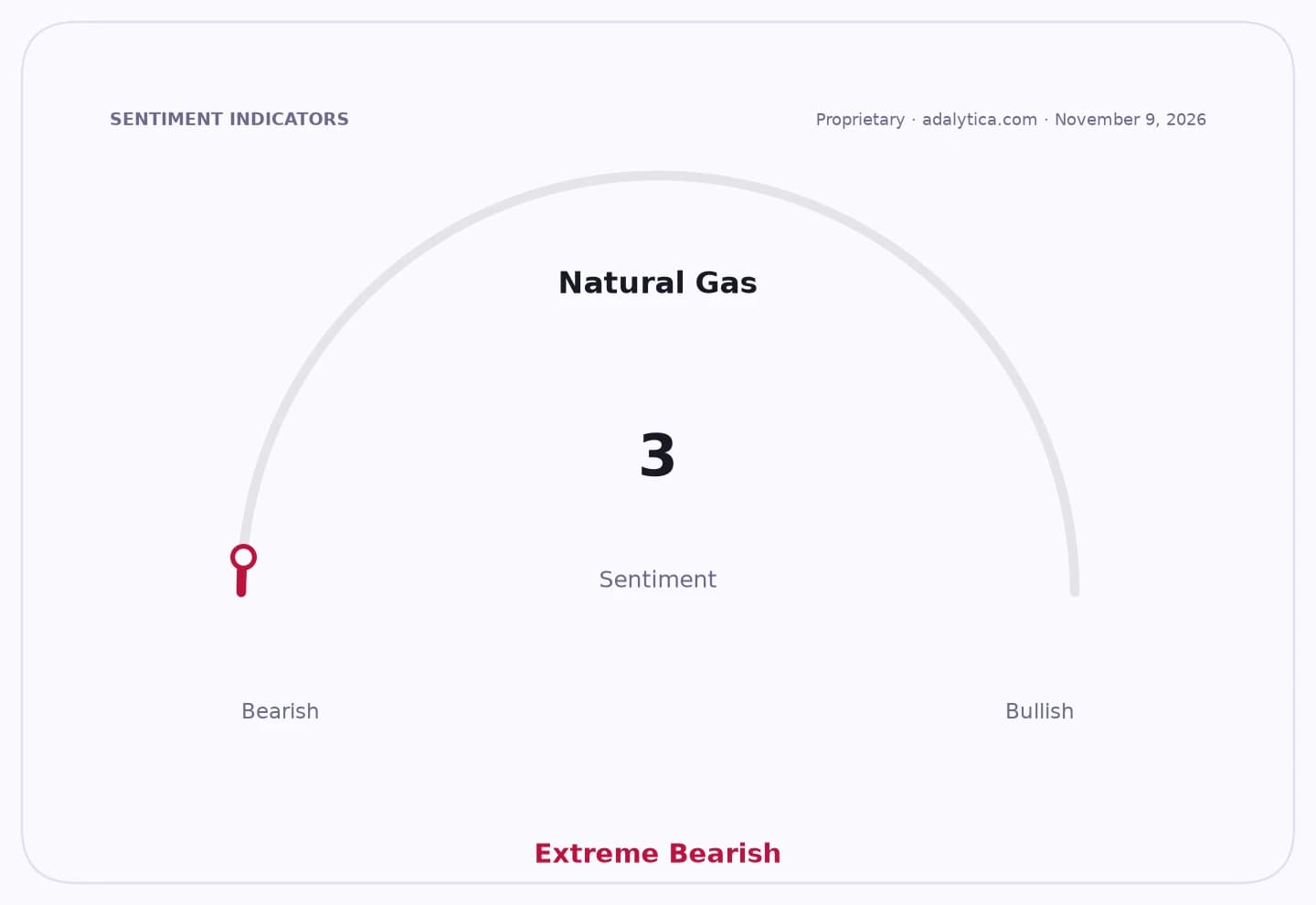
That matters because gas is becoming the bridge fuel for a world that still needs reliable power. Unlike oil, which is more exposed to transport demand and the energy transition debate, gas is being pulled in two directions at once: it remains a lower-emissions alternative to coal in many markets, while also feeding LNG exports, industrial demand and electricity systems that cannot afford interruptions. For investors, that makes Mubadala’s push less about one company’s output target and more about where long-term capital is still finding attractive returns in energy.
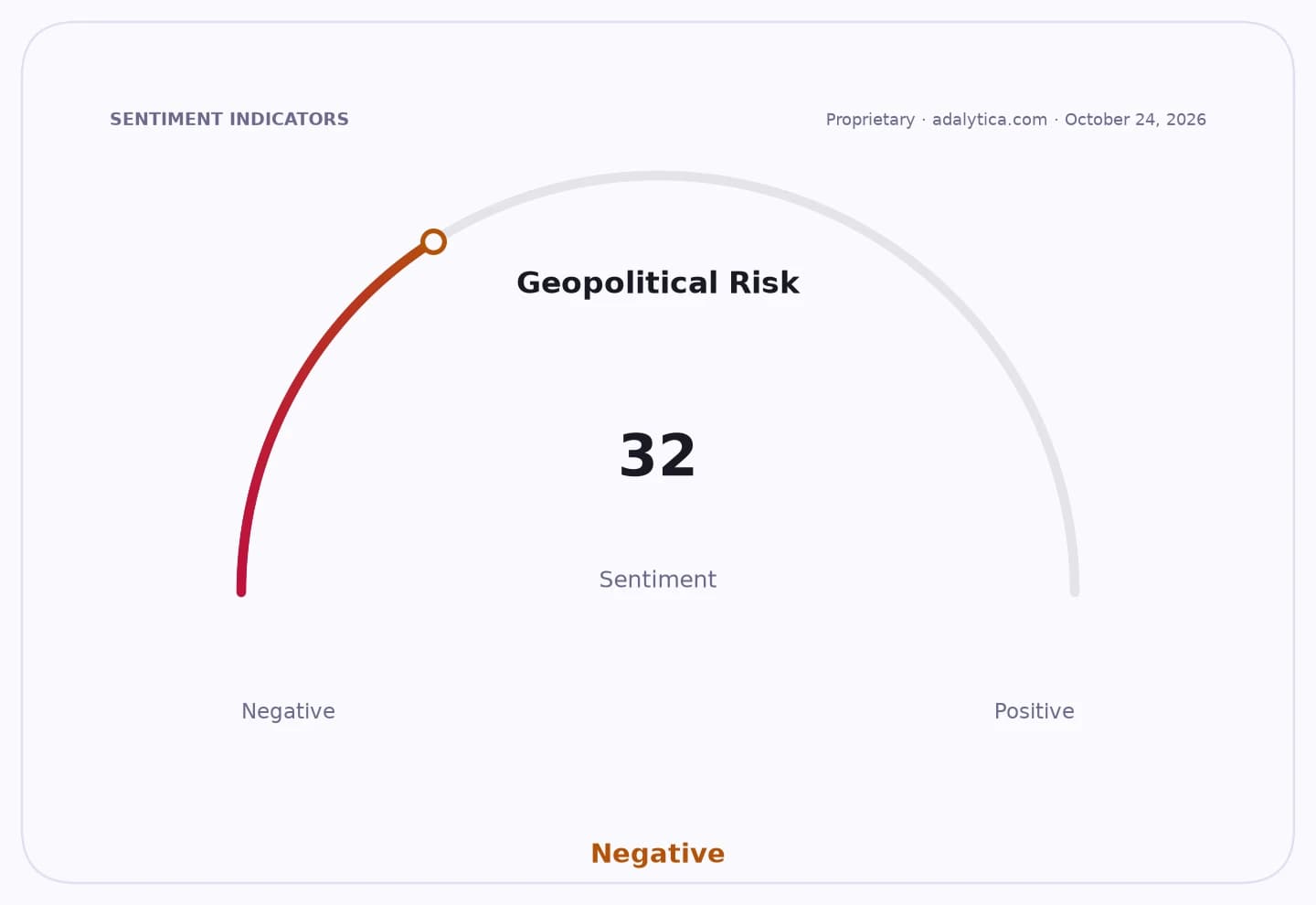
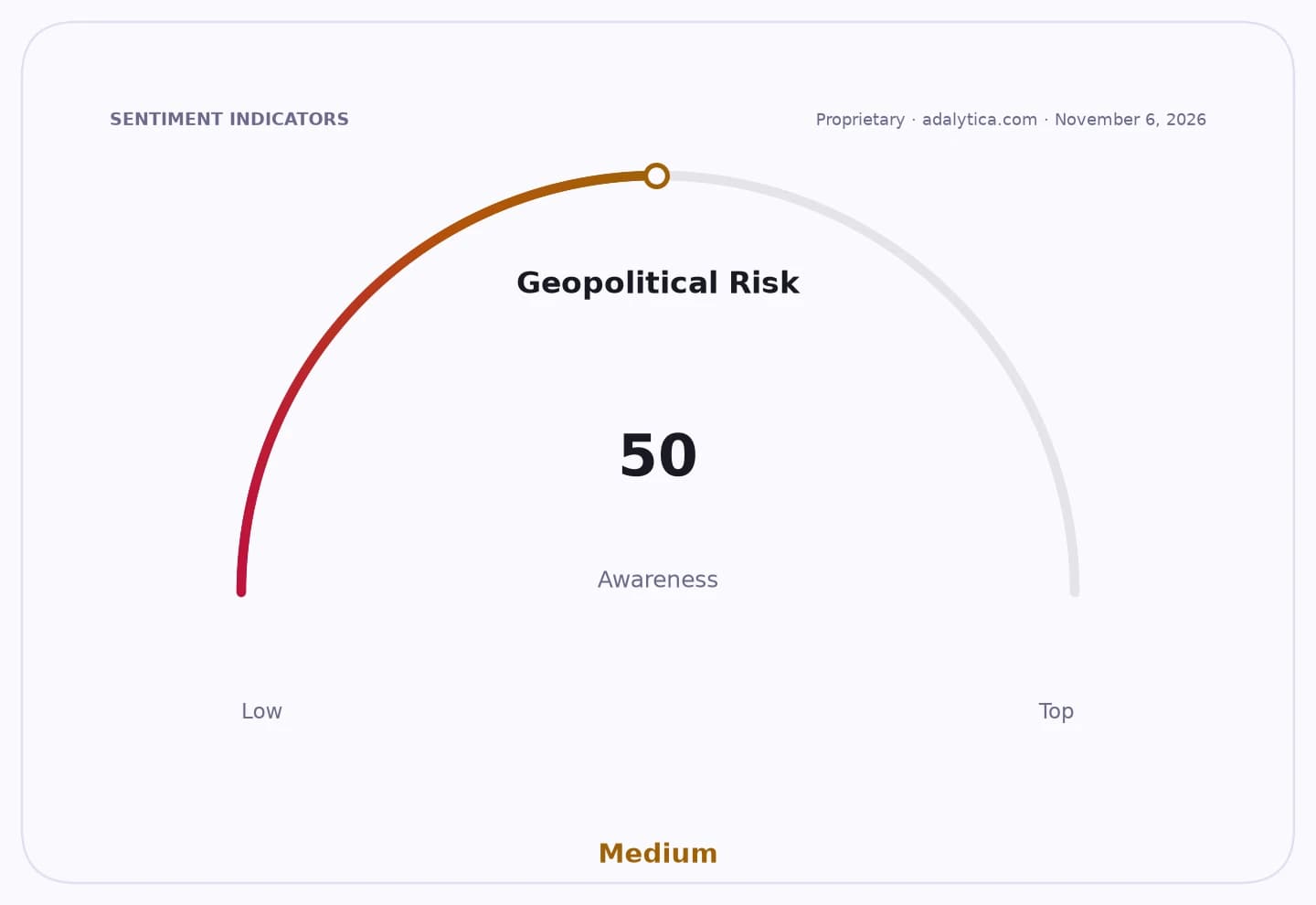
Sentiment Indicators
Acting Chief Executive Adnan Bu Fateem said natural gas already makes up about 70% of the company’s portfolio, and he framed the strategy around disciplined growth, dependable operations and a wider sweep across the gas value chain. In other words, Mubadala is not just looking for more molecules in the ground. It wants assets with clear routes to market, whether through LNG, domestic supply or integrated production systems that can turn discoveries into cash flow.
The scale of the ambition is notable. Mubadala operates in 10 countries and has seven producing assets across Southeast Asia, the Middle East, the Eastern Mediterranean and the United States. In Malaysia, it has expanded output at the Pegaga field by 30% to 750 million standard cubic feet per day after offshore platform upgrades. In Indonesia, it is pushing ahead with the Tangkulo development, while the Layaran and Tangkulo discoveries in South Andaman hold more than 8 trillion cubic feet of resources. In the U.S., its Caturus investment ties Haynesville gas production to the Commonwealth LNG project, which has a planned capacity of 9.5 million tonnes a year and is now slated to rise to 16 million tonnes annually.
That portfolio mix is exactly what long-term energy investors usually want to see: existing production to fund the business, development projects to drive growth, and exploration acreage to extend the runway. It also helps explain why Mubadala is leaning into partnerships and diversification rather than chasing volume for its own sake. Gas projects can take years to build and even longer to monetize, so execution matters as much as geology.
There is also a broader macro backdrop supporting the strategy. Global gas markets have been repeatedly reminded of their fragility, from supply disruptions in Iraq to shortages in parts of Southeast Asia and persistent anxiety in Europe about winter inventories and import dependence. At the same time, major producers and buyers are still signing long-term deals, suggesting the market is not retreating from gas so much as reorganizing around it. That is the environment in which a company like Mubadala can still justify spending heavily on reserves, LNG access and infrastructure.
For investors, the key question is not whether gas demand will disappear. It is whether the producers with the best assets, strongest execution and most flexible market access can keep compounding returns while keeping emissions and downtime in check. Mubadala appears to be betting that the answer is yes. It says it cut Scope 1 and Scope 2 emissions by 30.9% last year and is using predictive maintenance, real-time data and digital twin systems to lift reliability and reduce waste. Those are not just sustainability talking points; they are the kinds of efficiency gains that protect margins over a full cycle.
The long-term takeaway is straightforward: Mubadala Energy is positioning itself as a disciplined gas grower in a market that still needs reliable supply more than ever. If it can convert discoveries in Indonesia, Malaysia and the U.S. into steady production, the next decade could reward patient shareholders who want exposure to a resilient corner of the energy sector. For long-term investors, it is worth watching.
| Entity | Gains | Losses |
|---|---|---|
| Mubadala Energy | ▲Higher production and cash flow potential | ▼Execution risk on megaprojects |
| LNG and gas consumers | ▲More future supply options | ▼Less leverage from tight markets |
| Competing gas producers | ▲Sector validation for gas investment | ▼Pressure to match capital discipline |
| Coal and less-flexible generators | ▲None | ▼Loss of share to gas in power mix |