Transnistria’s pro-Russia posture is politically loud but economically fragile, with the breakaway region still tethered to Moldova’s energy system, trade routes and financing while Moscow’s leverage looks weaker than the slogans suggest.
Transnistria Tensions, Moldova Energy and Trade Risks

That is why the region’s “choice” matters less as a clean geopolitical pivot than as a stress test for Moldova’s security and for Russia’s ability to project influence beyond the war in Ukraine. Any move that deepens instability in Transnistria would immediately hit cross-border commerce, raise energy risk in Moldova and keep investors wary of the wider Black Sea perimeter.
Sentiment IndicatorsⓘProprietary · adalytica.com · September 27, 2026
This is a snapshot — live sentiment, awareness and momentum for 130+ markets update continuously in the dashboard.Open AlphaPulse
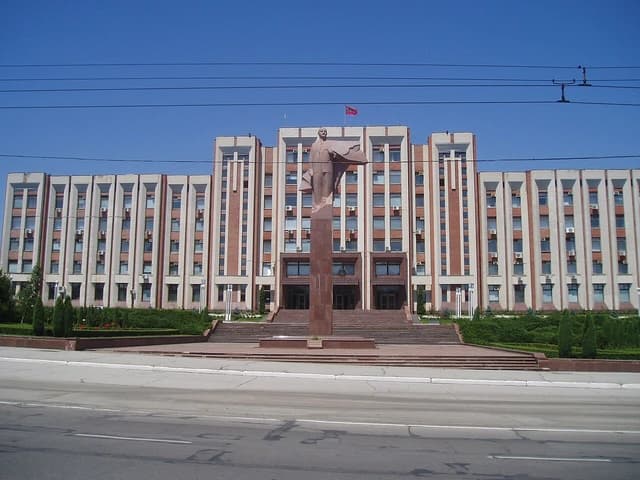
The calculations are stark. Transnistria relies on imported gas and external support for much of its economy, while Moldova has spent the past two years tightening its alignment with the European Union and reducing exposure to Russian supply disruptions. That leaves the separatist enclave with more symbolic than strategic room to maneuver.
The market read-through is broader than Moldova alone. Investors tend to treat frozen conflicts as latent shock sources: they can sit quietly for months, then spike risk premiums in neighboring currencies, utilities, sovereign debt and logistics assets when energy flows or border security come under pressure.
Geopolitical Risk — 30-day sentimentadalytica.com
Explore this data interactively — full history, time series and cross-market comparisons.Open AlphaPulse
That has kept regional stability in focus even as broader geopolitical sentiment has swung toward extreme greed in Adalytica’s Global Stability Sentiment gauge. By contrast, Adalytica’s Gold Fear & Greed Index is in extreme fear, underscoring that investors are still paying for political and macro hedges even when headline risk elsewhere eases.
For Moldova, the key question is whether Transnistria becomes another bargaining chip in a longer Russia-West confrontation or a pressure point that pushes Chisinau further toward Brussels. For investors, the next catalyst is any shift in gas supply, border controls or talks involving Moldova, Ukraine and European partners.
| Entity | Gains | Losses |
|---|---|---|
| Moldova | ▲EU alignment, energy diversification | ▼Higher security and fiscal costs |
| Transnistria’s leadership | ▲Symbolic leverage | ▼Economic dependence, isolation |
| Russia | ▲Short-term influence narrative | ▼Credibility, regional reach |
| Investors in Moldova region | ▲Clarity if tensions stay contained | ▼Risk premiums if conflict escalates |