Moldova’s decision to buy natural gas from Romania is deepening the country’s energy-cost squeeze just as households brace for winter heating bills and the government faces renewed political pressure over higher tariffs.
Moldova buys gas from Romania, faces higher bills
The move matters because energy is still one of the most immediate transmission channels from geopolitics to inflation, disposable income and public unrest in one of Europe’s poorest countries. By shifting away from Russian supply, Moldova has strengthened its strategic alignment with the EU and Romania, but the transition is proving expensive: the country has already paid about $330 million more to abandon Russian gas, while consumers now face tariff increases that have triggered protests.
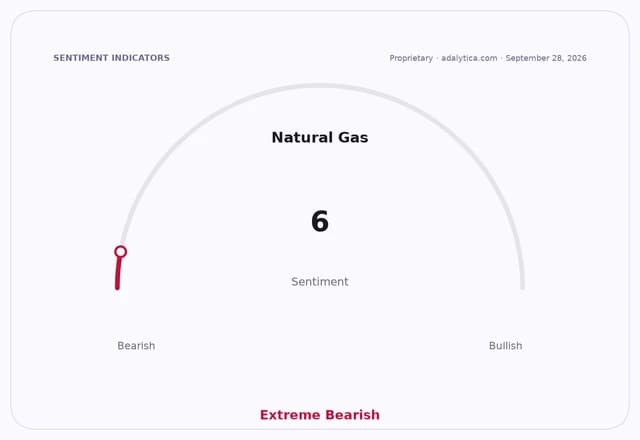
For investors and policymakers, the story is not simply about where the gas comes from, but who absorbs the cost. Higher import prices are likely to keep pressure on consumer inflation, strain government finances through subsidies or emergency support, and test the durability of Moldova’s reform agenda. A winter without adequate relief could aggravate social tensions and complicate the pro-European government’s standing ahead of a politically sensitive period.
Romania’s role is also economically important. As a regional supplier and political backer, it is helping Moldova reduce dependence on Russian energy, but the arrangement underscores how infrastructure and integration do not automatically translate into affordability. If European gas prices rise further, Moldova’s import bill could climb again, leaving officials with a narrow choice between protecting households and preserving fiscal discipline.
Opposition protests over gas tariffs suggest the domestic political cost is already mounting. That makes the winter heating season a test not only of energy security, but of Moldova’s ability to keep living standards from deteriorating further while it rewires its energy system.
| Entity | Gains | Losses |
|---|---|---|
| Moldova government | ▲Energy security | ▼Political approval |
| Romanian gas suppliers | ▲New demand | ▼Limited spare room |
| Moldovan households | ▲Supply continuity | ▼Higher heating bills |
| Pro-EU reform agenda | ▲Strategic alignment | ▼Short-term social strain |