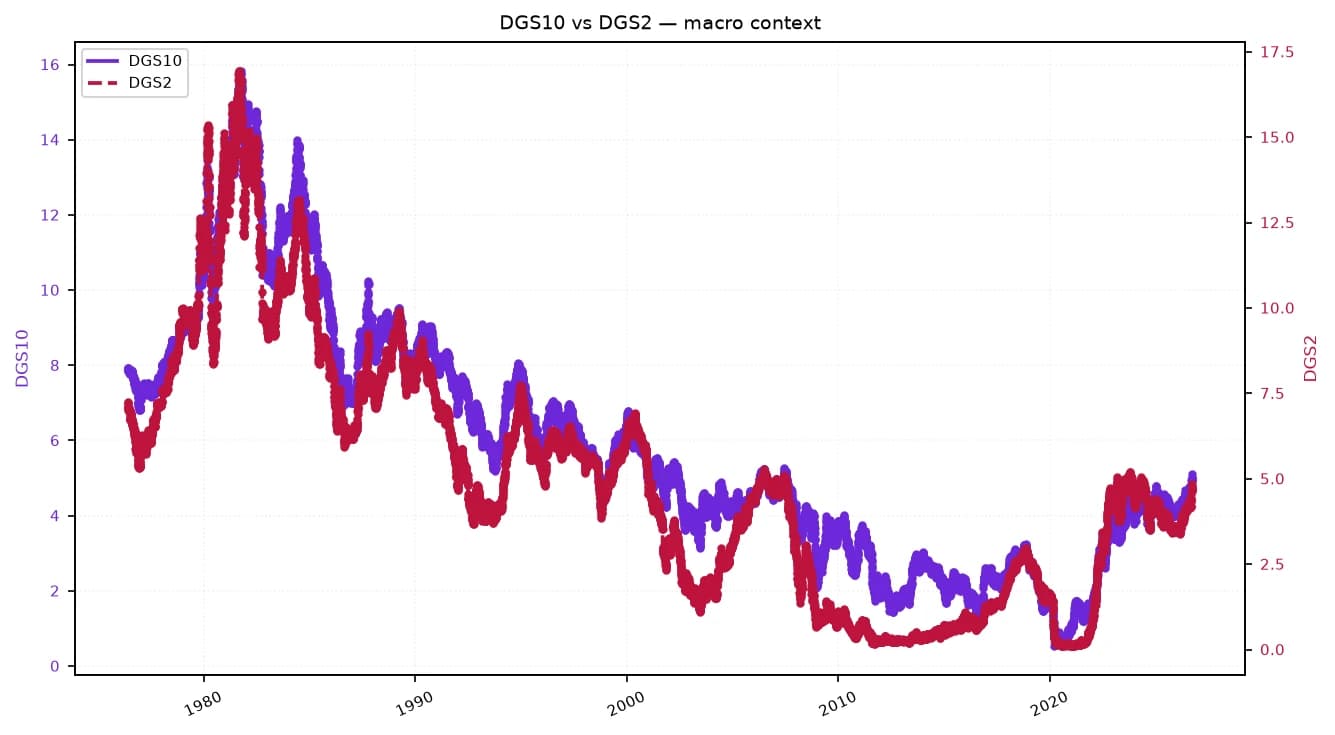
Treasury yields are holding near levels that keep bond prices vulnerable, putting the spotlight on duration — the key measure debt mutual fund investors use to judge how much a portfolio may rise or fall when rates move.
Treasury Yields Keep Bond Funds Duration-Sensitive
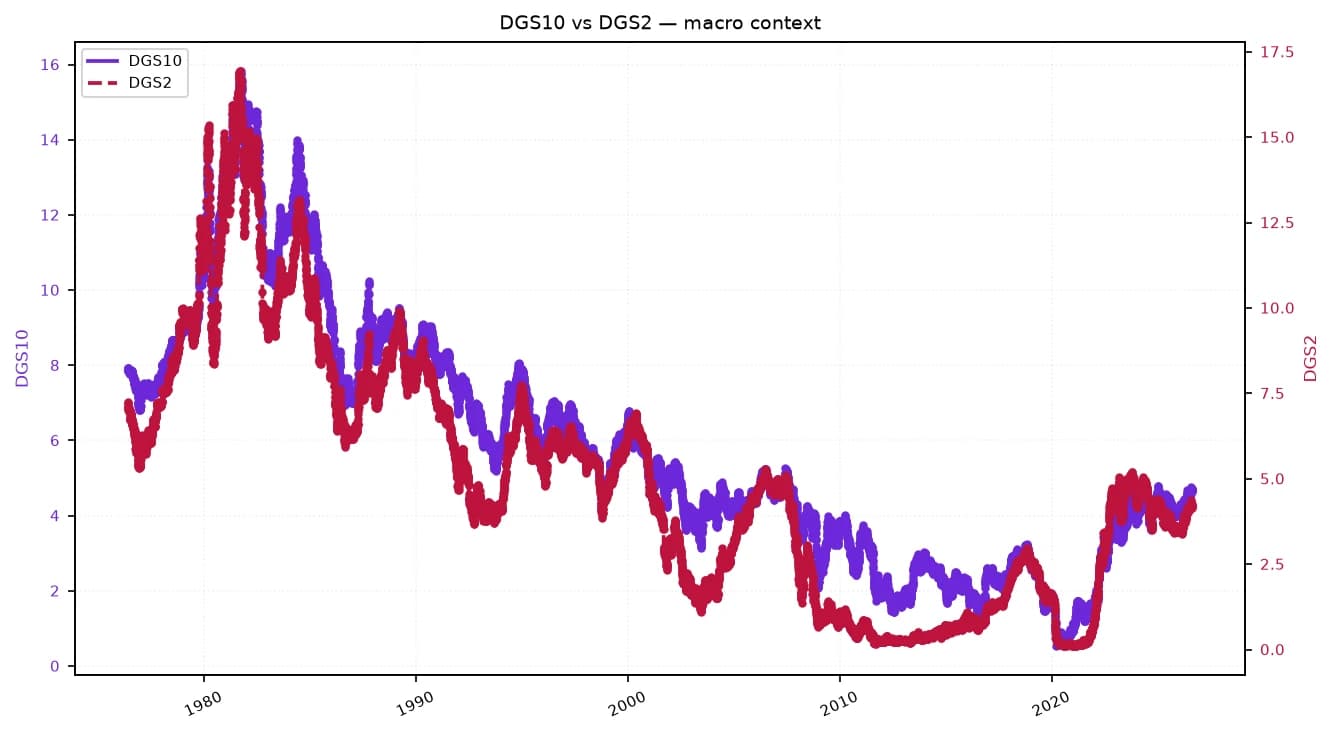
The 10-year Treasury yield is around 4.675% for Aug. 21, while the 2-year sits near 4.198%, leaving the curve only modestly inverted and fixed-income markets still highly rate-sensitive. For investors in duration-heavy funds such as long-duration Treasury ETFs, that means even small shifts in yields can translate into noticeable price moves.
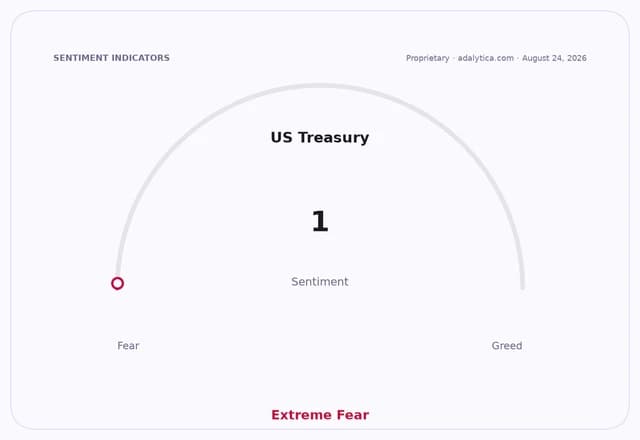
Sentiment IndicatorsⓘProprietary · adalytica.com · August 24, 2026
This is a snapshot — live sentiment, awareness and momentum for 130+ markets update continuously in the dashboard.Open AlphaPulse
That is why the difference between Macaulay duration and modified duration matters. Macaulay duration measures the weighted average time it takes to receive a bond’s cash flows, while modified duration converts that into an estimate of price sensitivity to interest-rate changes. In practice, modified duration is the more useful tool for gauging how much a bond or debt fund may gain or lose when yields rise or fall.
The market reaction in Treasury funds underscores the point. TLT, a long-duration Treasury ETF, has fallen to about $82.05 from $83.90 on July 28, while IEF, which holds intermediate-maturity Treasuries, has eased to $92.82 from $93.24 over the same period. SHY, which tracks short-dated Treasuries, has held far steadier at about $82.00, reflecting its lower duration and smaller sensitivity to rate changes.
That spread in performance is exactly why duration is central to debt mutual fund risk management. Funds with longer duration typically offer greater upside if yields decline, but they also suffer deeper losses when rates back up. Short-duration products tend to be more resilient, though they usually offer less price upside if the Federal Reserve moves toward easier policy.
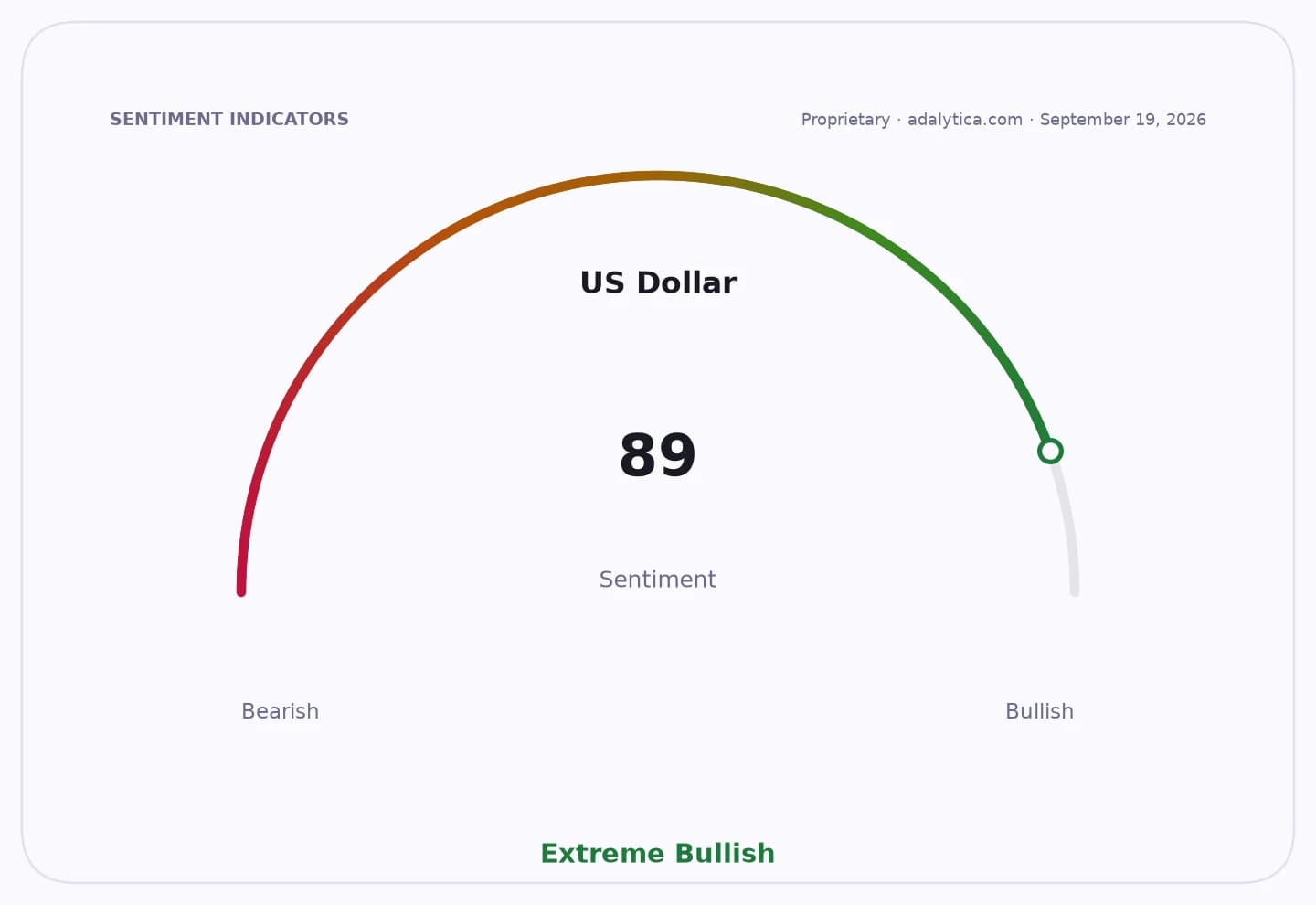
The backdrop remains uncertain. The federal funds rate is around 3.63%, and with policy still restrictive relative to inflation-fear pricing in bond markets, investors are weighing how long yields stay elevated. Adalytica’s US Treasury Bonds trade signals show “Extreme Fear” on TLT, while the US dollar also carries “Extreme Fear,” pointing to a market still wary of rate and currency volatility.
For bond investors, the takeaway is practical: Macaulay duration helps explain structure, but modified duration is what matters most for portfolio risk and return under changing yields. As Treasury rates remain near 4% to 5%, that distinction continues to shape how debt mutual funds are positioned, marketed and traded.
| Entity | Gains | Losses |
|---|---|---|
| Short-duration funds | ▲Lower price volatility | ▼Less upside if yields fall |
| Long-duration funds | ▲Bigger rally if rates drop | ▼More price damage if yields rise |
| Bond fund investors | ▲Clearer risk measurement via duration | ▼Exposure if duration is misunderstood |
| Treasury bulls | ▲Benefit from falling yields | ▼Hurt by higher-for-longer rates |