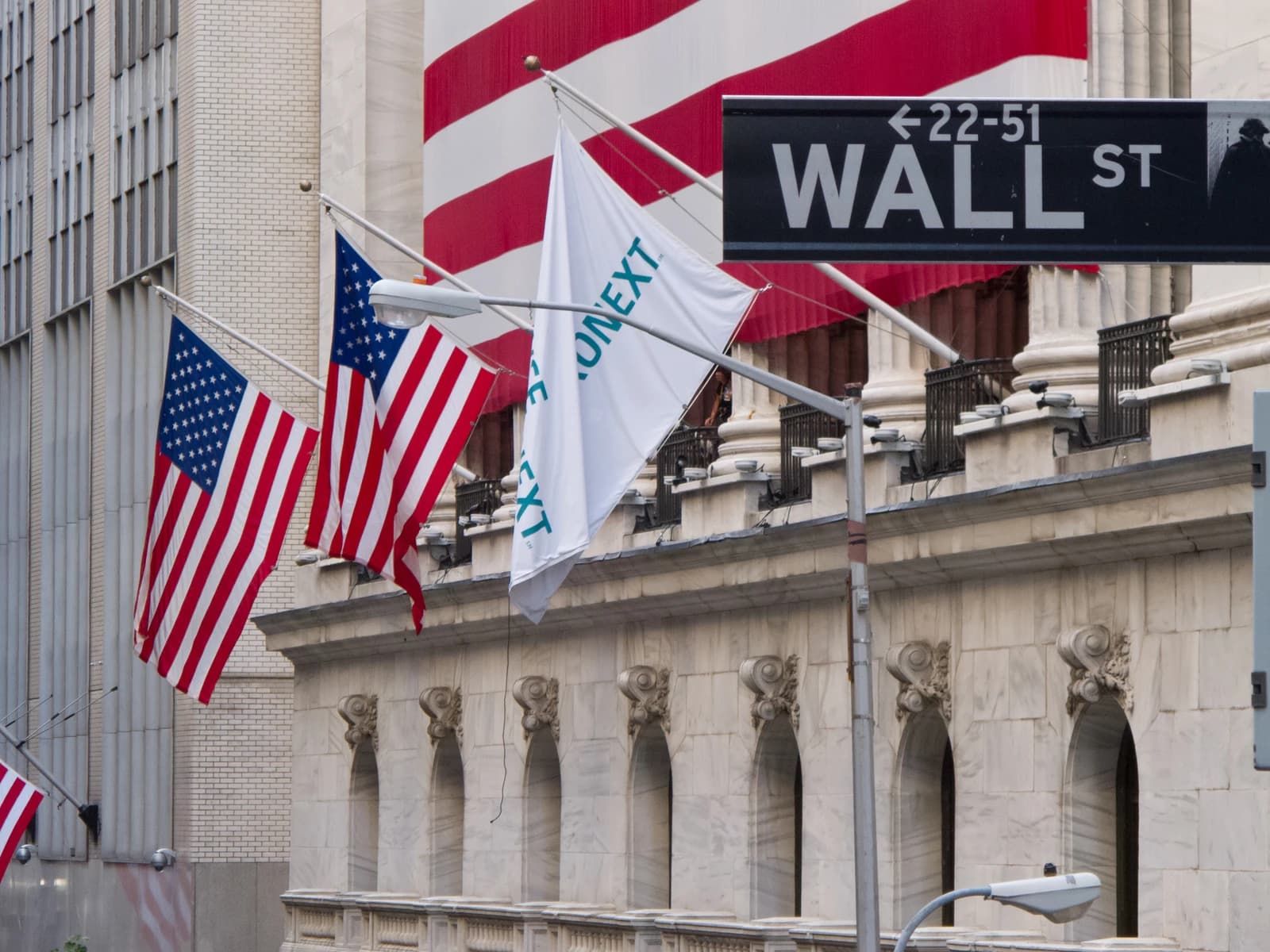
Wall Street looks set for a relief rally as long-end Treasury yields back off after the Federal Reserve’s latest rate hike jolted stocks and pushed the Dow down 600 points.
Treasury Yields Ease as Stocks Eye Relief Rally
The move matters because the market’s immediate problem was never just the hike itself — it was the prospect of higher discount rates rippling through equity valuations, borrowing costs and risk appetite all at once. When the 10-year Treasury yield eases, especially after a policy shock, it can quickly take pressure off the most rate-sensitive corners of the market and restore some bid to the S&P 500 and Nasdaq.
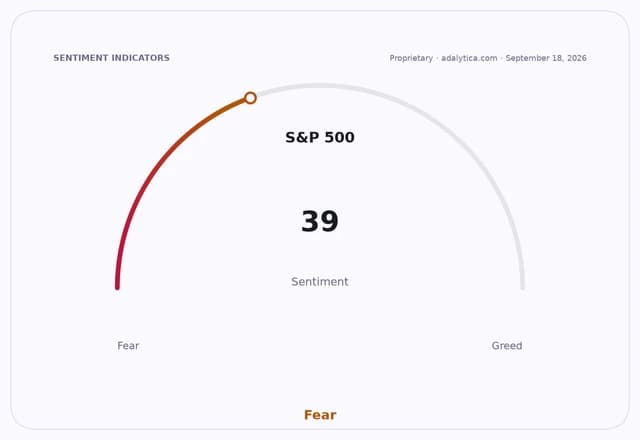
Sentiment IndicatorsⓘProprietary · adalytica.com · September 18, 2026
This is a snapshot — live sentiment, awareness and momentum for 130+ markets update continuously in the dashboard.Open AlphaPulse

That is the setup investors are staring at now. The benchmark 10-year yield is seen at 4.976%, down from 5% earlier in the week, while the 2-year note has also drifted lower to 0.253% on the latest forecast path. Those levels are still restrictive, but the direction is what counts in the near term: easing long-end yields can blunt the valuation hit from a Fed tightening cycle and reduce the odds of an abrupt repricing in growth stocks. The S&P 500, meanwhile, closed at 761.69, holding above its 50-day moving average near 759.73 and far above the 200-day average near 714.24, a sign the broader uptrend has not been broken despite the selloff.
The bond market’s reaction is especially important because it tells investors the rate hike may be close to priced in, even if the Fed has warned another increase could come before year-end. That does not remove policy risk, but it does shift the debate from panic to positioning. In a market like this, a modest pullback in yields can matter more than the headline hike, because portfolio managers have been forced to lean into cash, short-duration bonds and defensive equity exposure.
That’s where the opportunity is. If yields keep easing, the first beneficiaries should be the mega-cap growth and technology names that dominate the Nasdaq, along with high-quality cyclicals and large-cap stocks with durable earnings power. If Treasury volatility continues to fade, I think the market will start rewarding the same themes that were punished most aggressively in the selloff: AI infrastructure, semiconductors, cloud spend and industrials with pricing power. At the same time, bond proxies and highly leveraged balance-sheet stories may lag if investors rotate back toward risk.
The bond ETF TLT reflects that push and pull. It has stabilized around 81.25 after sliding from 88.45 earlier in the year, and its 50-day moving average at 82.27 remains just above spot. That tells us fixed-income traders are still cautious, but not in outright liquidation mode. The next catalyst is simple: if the Fed softens its guidance or long-end yields continue to ease, equities can extend this rebound quickly.
For investors, the message is to stay exposed to the rebound, but be selective. I would favor quality growth, AI supply-chain beneficiaries and broad-market ETFs over crowded defensive trades. The market is still in a policy-driven correction regime, but the first meaningful dip in long-term yields could be the trigger that resets risk appetite.
| Entity | Gains | Losses |
|---|---|---|
| Equity bulls | ▲Relief from yield pressure | ▼Initial selloff momentum |
| Nasdaq growth stocks | ▲Lower discount rates | ▼Fed tightening fears |
| Treasury bulls | ▲Price support from easing yields | ▼Fresh rate-hike shock |
| Fed hawks | ▲Inflation-fighting credibility | ▼Market stability and risk assets |