TreasuryDirect customers who missed the switch to ID.me can still get their tax forms, but the bigger issue is whether older bondholders can keep easy access to their savings in the first place.
TreasuryDirect requires ID.me for savings bond access

The Treasury’s online savings bond portal completed its new identity-check process on Oct. 28, requiring users to verify through ID.me to log in. That matters because TreasuryDirect is where millions of Americans hold U.S. savings bonds and other Treasury securities, and the new setup adds a layer of friction just as many households are relying on government-backed savings for stability in a higher-rate economy.
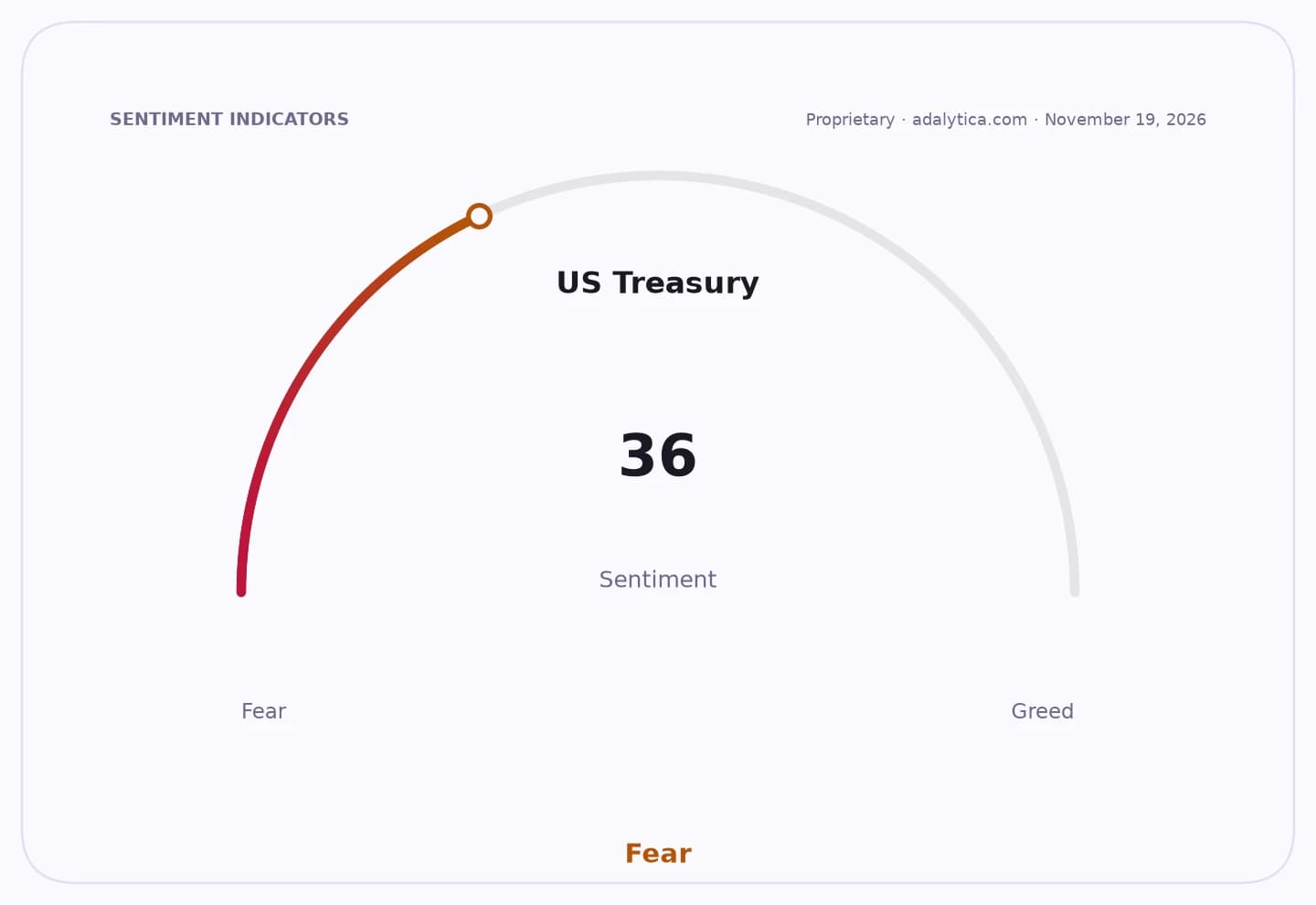
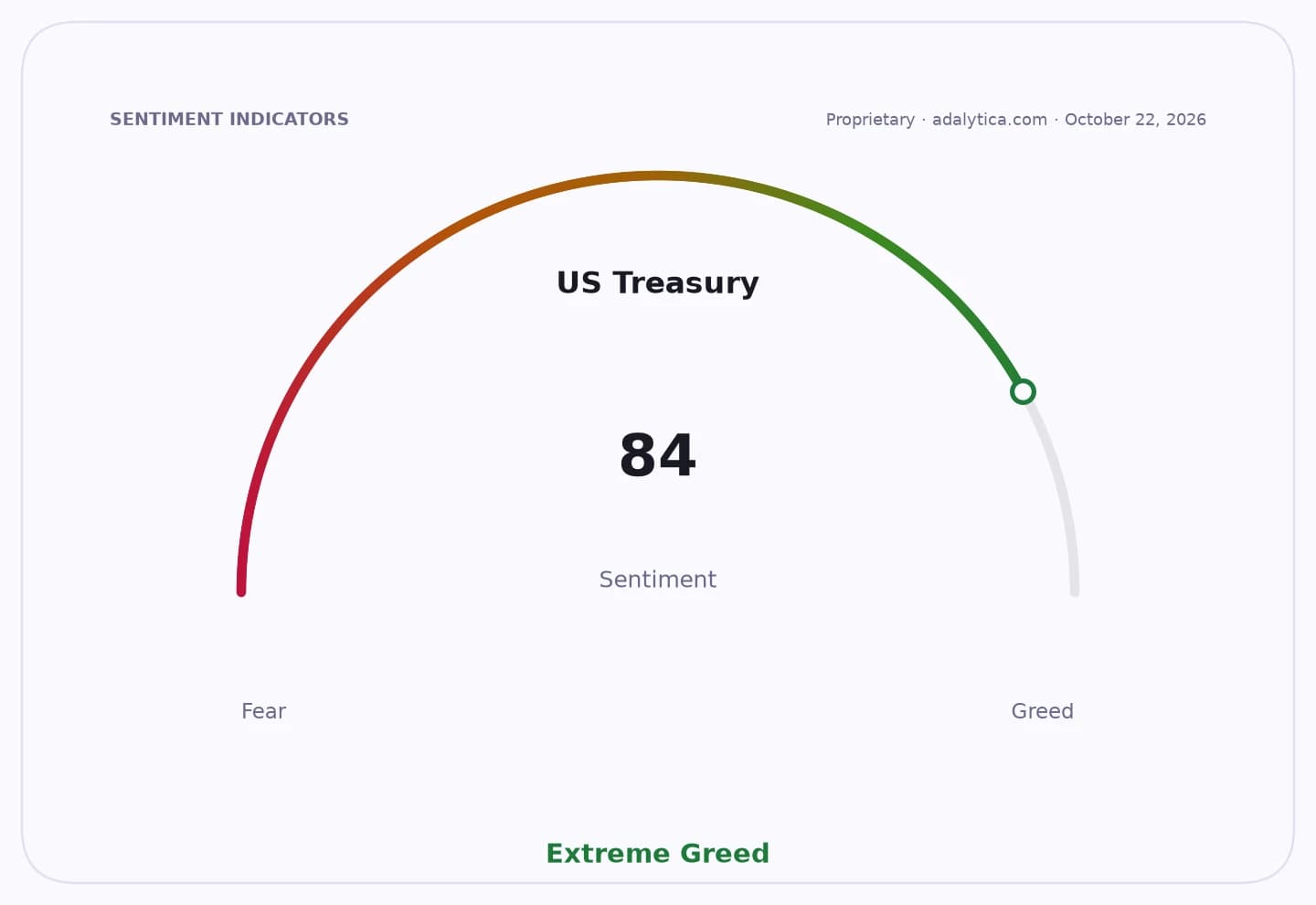
Sentiment Indicators
For tax filing, the good news is that the deadline to create an ID.me account is not really a deadline at all. TreasuryDirect says customers can still restore online access by enrolling through ID.me, which would let them retrieve 1099 tax forms online. If they do not want to go that route, they can request current-year 1099s to be mailed after the forms become available in January by calling TreasuryDirect customer support.
That sounds simple enough, but for many long-time bondholders, especially spouses who used to share account access, the change is anything but. ID.me requires each person to have a unique account tied to a unique email address, so couples can no longer use one shared login. For older savers, or families dealing with dementia, mobility issues or other health problems, that can turn a basic task like checking a balance or finding a tax form into a real barrier.
Why should investors care? Because TreasuryDirect is more than a back-office website. It is part of the plumbing of the U.S. savings market, and anything that makes access harder can discourage smaller investors from using government bonds as a cash-preservation tool. In a world where yields on Treasuries remain important to retirees, risk-averse savers and anyone comparing bond returns with bank deposits, user experience matters.
The backdrop is a Treasury market that still commands heavy attention from investors. The 10-year Treasury yield has been hovering near 4.8%, while short-term yields remain elevated as the Federal Reserve keeps policy restrictive. That keeps government bonds attractive on a historical basis, but it also means more people are paying attention to how they access and manage those holdings.
In the near term, the practical fix is straightforward: sign up through ID.me or request paper forms. Longer term, though, TreasuryDirect’s identity overhaul is a reminder that even the safest assets can become harder to use if the digital experience is clunky. For investors building wealth over years, not days, Treasury securities still belong on the radar — but this episode is a useful nudge to keep account access organized before tax season arrives.
| Entity | Gains | Losses |
|---|---|---|
| TreasuryDirect users who enroll in ID.me | ▲Online access restored | ▼Extra verification hassle |
| Older bondholders and spouses sharing accounts | ▲Paper 1099 option | ▼Shared-login convenience |
| TreasuryDirect/Treasury | ▲Stronger identity verification | ▼More customer support friction |
| Investors in U.S. bonds | ▲Better account security | ▼Higher operational complexity |