Trident Resources is showing investors that Contact Lake may be much more than a recycled old mine — it may be a deeper, larger gold system with room to grow.
Trident Resources Reports Deep Gold Hits at Contact Lake

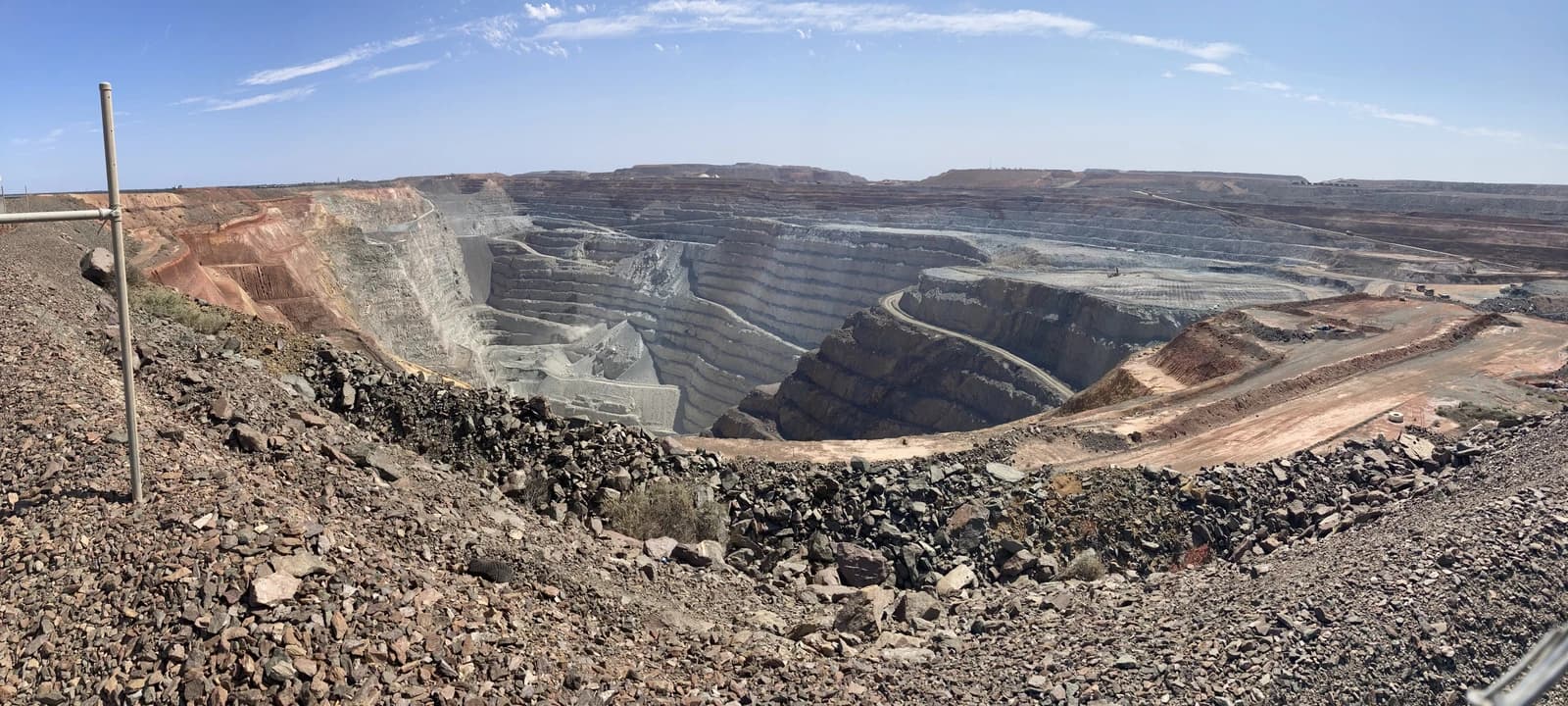
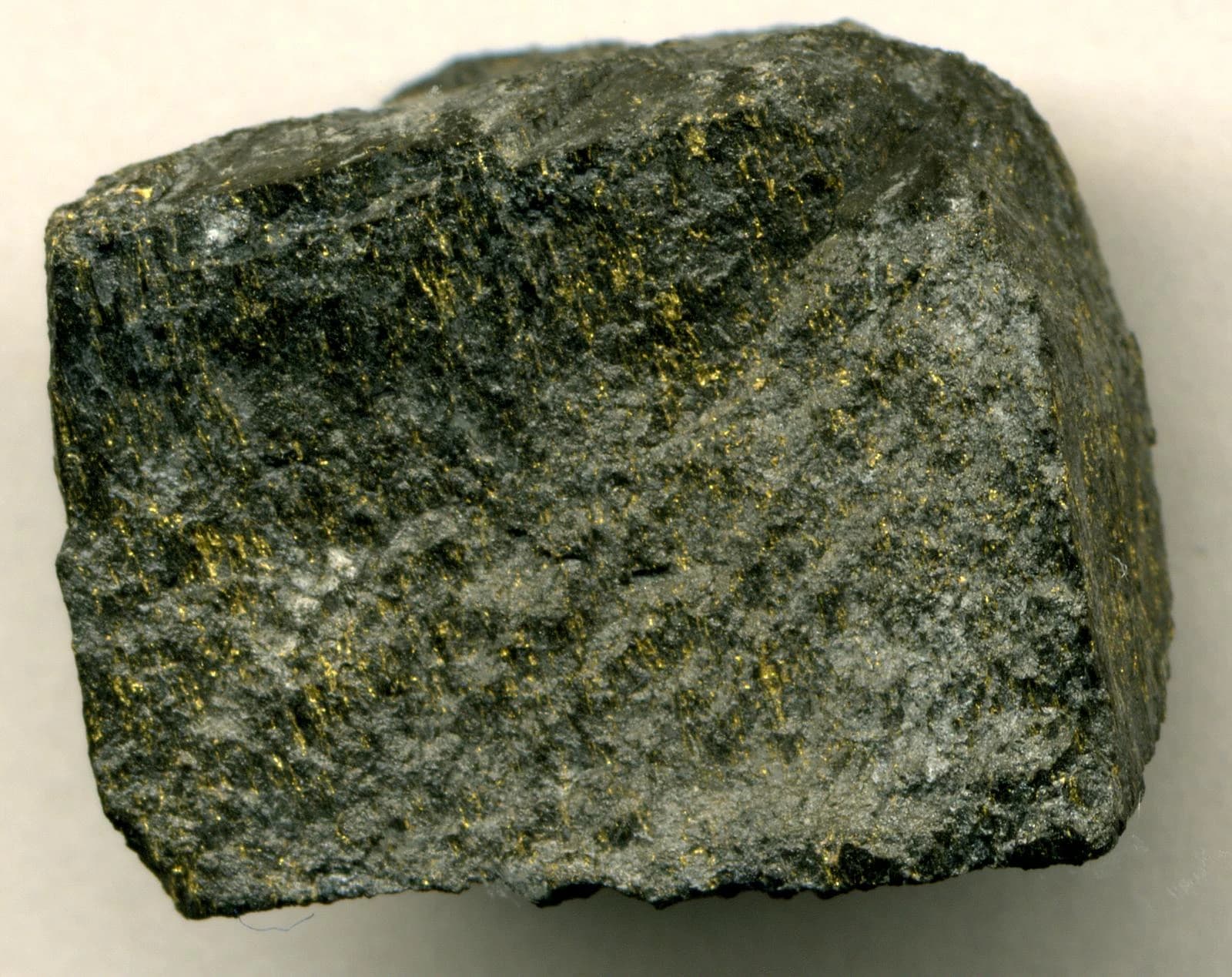
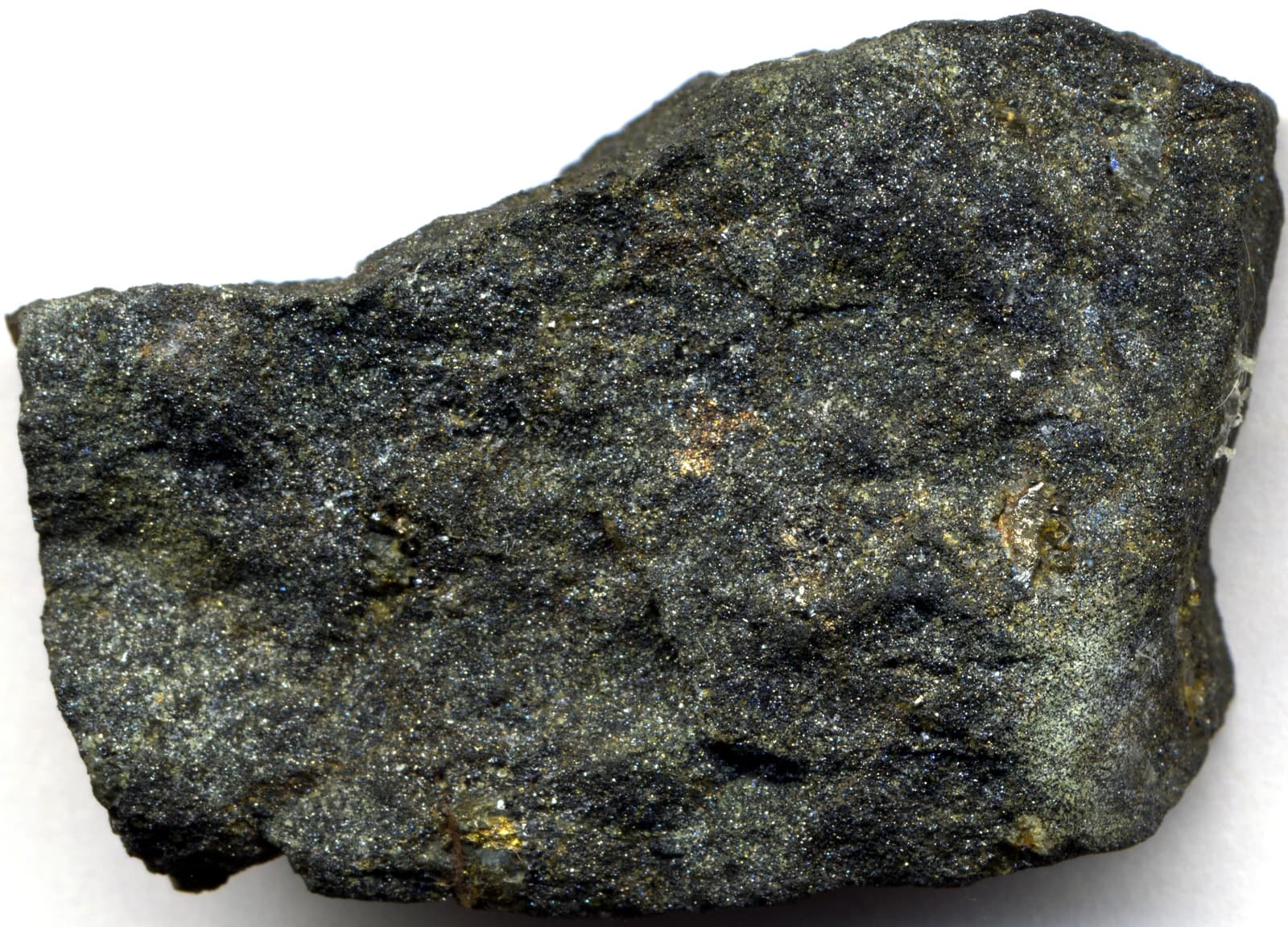
The key development is a high-grade intercept of 8.69 grams per tonne gold over 11.97 meters, including 31.98 grams per tonne over 3.16 meters, found 220 meters below the deepest historic workings at the Saskatchewan project. That matters because the result came from Trident’s first deep test below the Main zone, suggesting the mineralized system extends far beneath the footprint mined by Cameco in the 1990s, when gold prices were only about $300 an ounce and the operation was shut down.
Sentiment IndicatorsⓘProprietary · adalytica.com · September 18, 2026
This is a snapshot — live sentiment, awareness and momentum for 130+ markets update continuously in the dashboard.Open AlphaPulse

For long-term investors, that kind of depth extension is exactly what can change the story from exploration to resource growth. Old mines often get written off once the easy ounces are gone, but geology does not stop at the last stope. If Trident can prove continuity at depth and along strike, Contact Lake could support a meaningfully larger future resource than the market may be assuming today.
The company also reported additional gold-bearing intercepts from shallower targets. Hole CL26049 cut 3.46 g/t gold over 15.00 meters, including 3.91 g/t over 13.00 meters, while CL26051 returned 6.43 g/t over 7.45 meters, 6.12 g/t over 5.03 meters and 3.45 g/t over 13.42 meters. Trident says those holes tested the Buffer zone between BK1 and BK3, an area with relatively sparse drilling that now looks more prospective than previously believed.

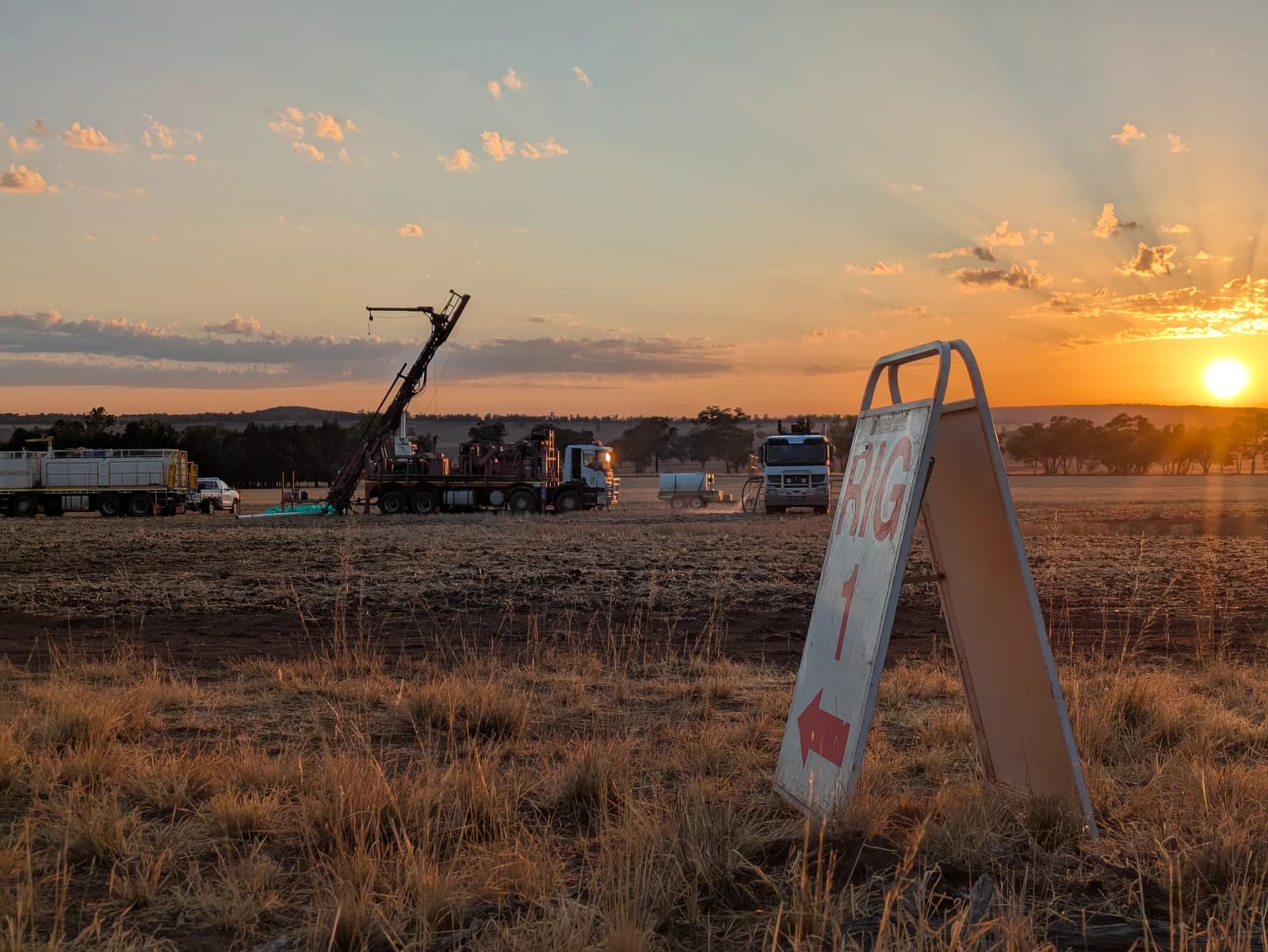
That gives the market a clearer investment thesis: Contact Lake is not just about one flashy hole, but about a broader system with multiple shoots and underexplored corridors. The company has already drilled 17 holes totaling 12,066 meters in a planned 20,000-meter program, and roughly 8,000 meters remain. More assays are expected through the fourth quarter of 2026 and into the first quarter of 2027, giving shareholders a steady flow of catalysts.
Financially, Trident is better positioned than many junior explorers because it says it has about $20 million in cash and marketable securities, enough to fund work through 2026 and into 2027. That lowers near-term financing risk, which is important in a sector where good drill results often get diluted by repeated equity raises.
The broader backdrop also helps. Gold remains near historically elevated levels, and Adalytica’s Gold Fear & Greed Index shows neutral sentiment after a sharp swing higher over the past month, while the U.S. dollar is flashing extreme greed. For miners and explorers, a firm gold price environment can make high-grade discoveries far more valuable, especially when they sit inside existing infrastructure and past production.
The risk, as always, is that exploration success is not the same as an economic mine. Investors still need proof of continuity, thickness and scale, along with a resource estimate that supports development economics. But for now, Trident has done what junior miners need to do: it has delivered evidence that the gold system keeps going where the old mine stopped.
For investors who can think in years, not weeks, Trident looks like a name worth watching closely as the Contact Lake drill campaign unfolds.
| Entity | Gains | Losses |
|---|---|---|
| Trident Resources | ▲Deeper resource potential | ▼Short-term skeptics |
| Contact Lake project | ▲Better size thesis | ▼Historic mine view |
| Gold bulls | ▲New high-grade discovery | ▼Bears on juniors |
| Cameco legacy holders | ▲Validation of past asset | ▼Missed upside from depth |