President Donald Trump has moved to tighten White House control over how federal contractors answer Congress, escalating a fight over oversight just as Democrats prepare to widen investigations into government spending, family-linked businesses and defense procurement.
Trump order tightens contractor responses to Congress
The executive order, issued late Friday, requires contractors and subcontractors to consult with the administration before responding to congressional inquiries and to withhold any material the White House deems privileged. It also says companies must coordinate “appropriate responses” with the White House and U.S. agencies or risk losing contracts and future federal work.
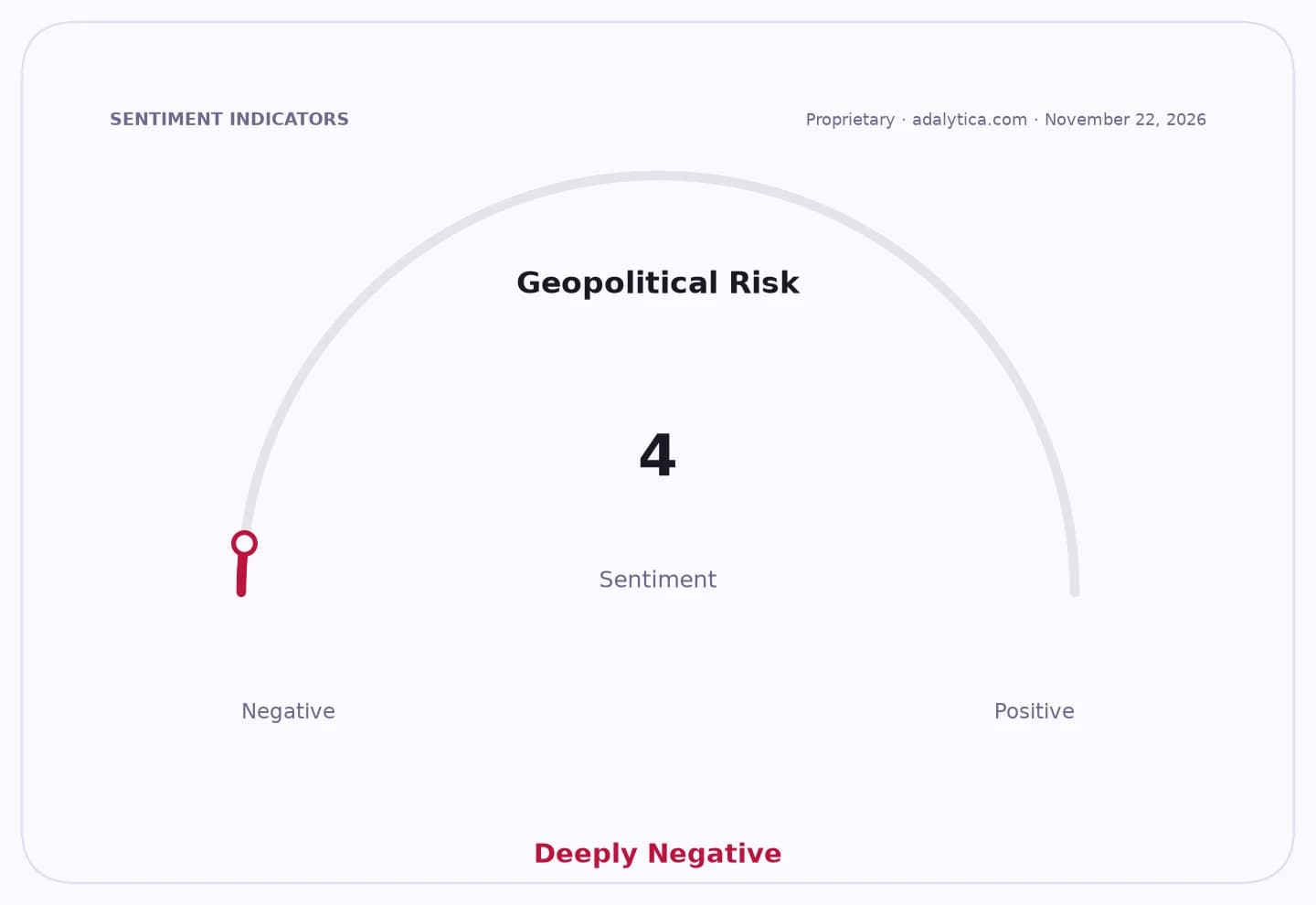
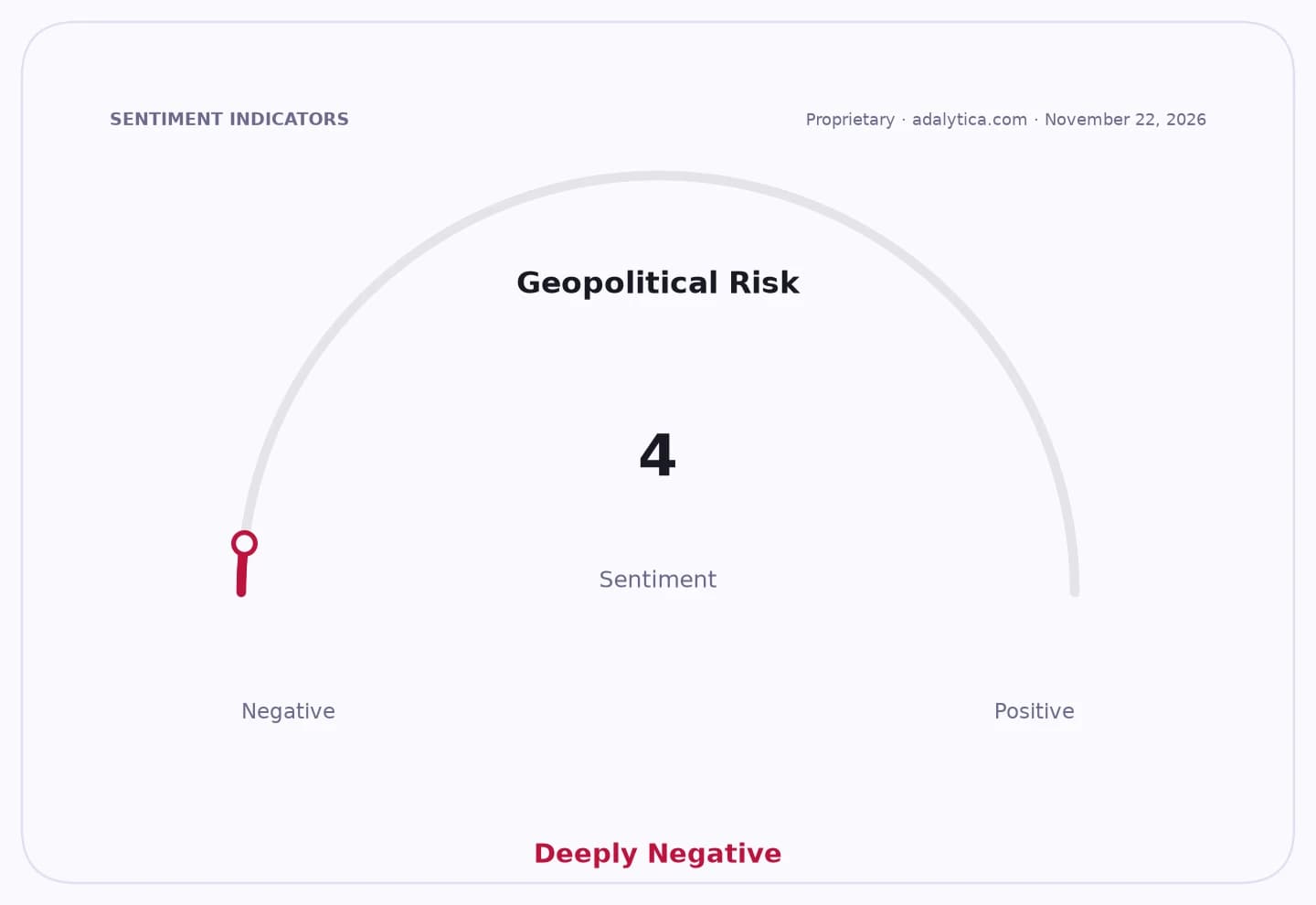
The move matters because it gives the administration another lever over one of Washington’s largest flows of public money. Federal contractors account for tens of thousands of businesses, and the order could complicate lawmakers’ ability to obtain information from companies that sit at the center of defense, infrastructure and other public spending programs. For investors, the biggest implication is not just legal uncertainty but the prospect that contractors’ disclosure obligations, litigation exposure and political risk could rise at the same time that federal procurement remains a crucial demand driver.
The policy is aimed squarely at expected Democratic oversight once they take over Congress in January. Democrats have signaled that federal contracts, including awards involving companies tied to Trump’s family and especially Pentagon work, will be a priority. White House counsel Will Scharf has already told agencies to seek approval before agreeing to appear before Congress, and he has argued that some investigations amount to “blatant criminality.”
The order also reflects a broader effort by the administration to assert executive privilege more aggressively. Presidents of both parties have used privilege to block or slow congressional inquiries, but this case raises the stakes because the White House is directing private companies to route responses through it. That creates a potential collision between congressional subpoena power and executive branch secrecy claims, and it could set up protracted court fights over where privilege ends and compliance begins.
For defense contractors, the stakes are especially high. Firms such as Lockheed Martin, RTX and Northrop Grumman rely heavily on federal programs and are already operating in a regulatory environment shaped by budget negotiations, shifting procurement rules and intense scrutiny over fixed-price and complex programs. Any additional friction with Congress could lengthen oversight reviews, delay answers on contract awards or performance, and add another overhang to margins if disputes spill into legal or compliance costs.
Markets are likely to view the order less as an immediate earnings event than as a governance and policy risk multiplier. Defense names have benefited from strong government demand and a large federal funding backdrop, but the same dependence on Washington leaves them exposed when political oversight intensifies. The question now is whether contractors can keep operating normally while routing sensitive responses through the White House, or whether the result is slower procurement processes, more document fights and a heavier cloud over an already politicized sector.
| Entity | Gains | Losses |
|---|---|---|
| White House | ▲More control over disclosures | ▼Higher legal and political risk |
| Congress Democrats | ▲New oversight target set | ▼Easier access to contractor records |
| Defense contractors | ▲Potential privilege shield | ▼Greater compliance and contract risk |
| Investors in defense names | ▲Continued federal demand | ▼More governance uncertainty |