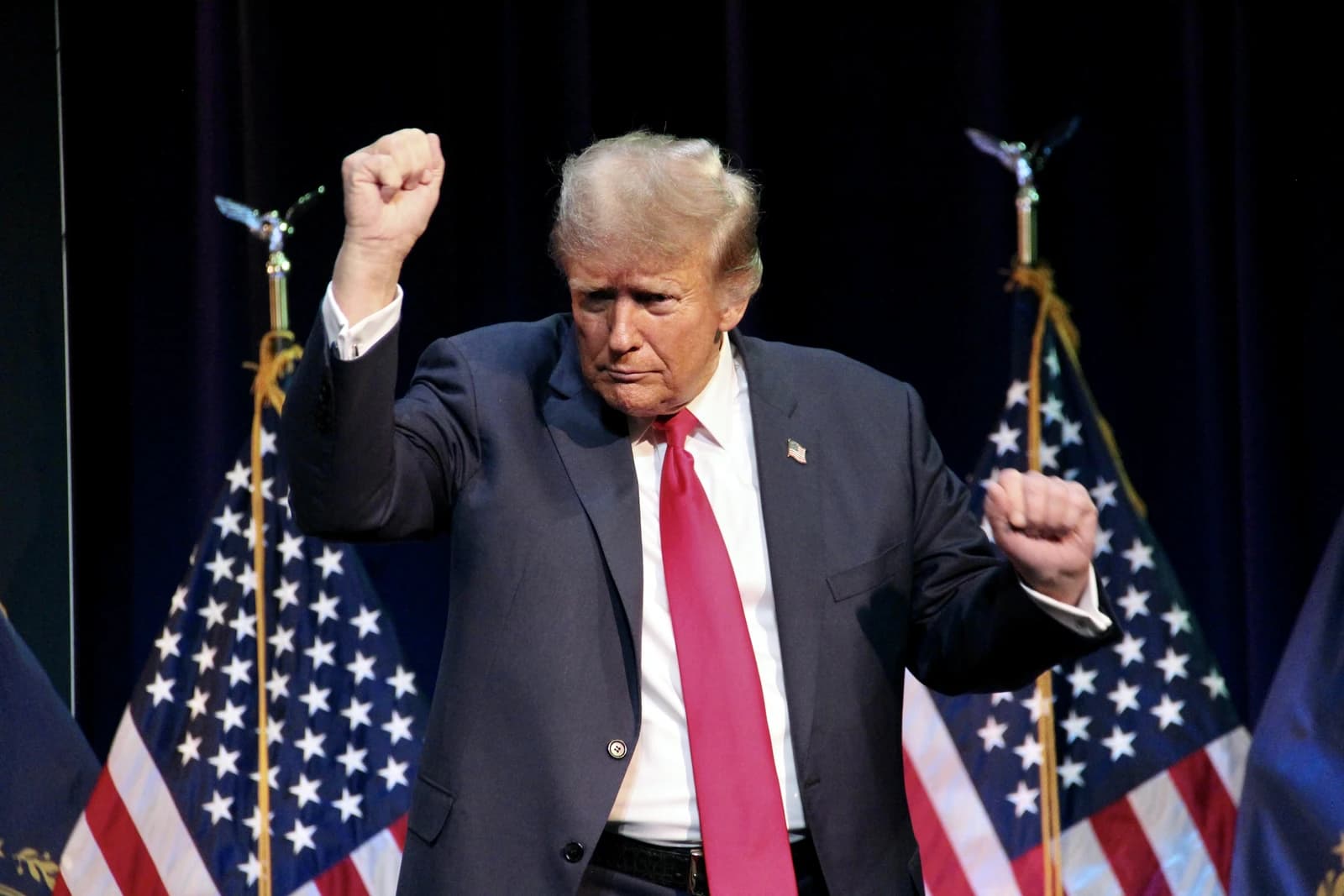
President Donald Trump’s refusal to commit to reimbursing federal funds already spent on campaign-style ads raises the immediate risk that taxpayers could be left absorbing millions of dollars for messaging widely criticized as political propaganda.
Trump DHS Ad Spending Faces Reimbursement Scrutiny
The issue matters because the White House has already allowed nearly $12 million of the $20 million DHS ad buy to air, according to AdImpact, and Trump’s suggestion that his MAGA Inc. political account may cover future costs does not address money already spent. That leaves open a potentially costly dispute over whether federal appropriations can be used for ads that feature Trump’s political imagery and messaging, and whether any of the spending can be clawed back.
The ads, first aired in late September, have become a flashpoint in the broader fight over the boundary between government communications and political promotion. One spot uses Trump’s own language about communism, another reprises material from his prior presidential campaign, and a recent addition highlights the administration’s capture of Venezuelan leader Nicolás Maduro. Critics from both parties say the campaign is inappropriate use of taxpayer money, while Democrats argue it may violate federal prohibitions on using appropriated funds for “publicity or propaganda.”
For investors, the significance is less about the ad content itself than about the legal and governance risks surrounding Trump’s use of political war chests and federal agencies. If the administration keeps routing politically charged messaging through government channels, it could invite congressional scrutiny, litigation and tighter oversight of DHS spending. That may matter for contractors and media sellers tied to federal advertising, and more broadly for the precedent it sets on how aggressively the executive branch can blend official communication with campaign messaging.
Trump’s remark — “We’ll decide” — leaves the matter unresolved and keeps alive the possibility of a confrontation with congressional Republicans who have already signaled discomfort. Senate Majority Leader John Thune said the ads should not be paid for with taxpayer dollars, while Senate Democratic Leader Chuck Schumer called for reimbursement and an investigation. Even some GOP lawmakers overseeing DHS funding have indicated the money should be used as intended.
The funding source also adds to the political sensitivity. Democrats say the money was drawn from the administration’s “One Big Beautiful Bill” and intended for Customs and Border Protection, not for ads lauding the president. If the White House cannot show a clean legal basis for the spending, the issue could become another test of how much budgetary discretion Trump can exercise in a closely divided Washington.
For now, Trump’s refusal to commit to repayment keeps the financial exposure and the legal overhang in place. The next catalyst will be whether Congress or federal watchdogs press for a formal accounting — and whether the administration’s promise to shift future costs to MAGA Inc. is enough to defuse a dispute that is increasingly about precedent as much as dollars.
| Entity | Gains | Losses |
|---|---|---|
| Trump/MAGA Inc. | ▲Political messaging reach | ▼Reimbursement scrutiny |
| Taxpayers | ▲None | ▼Federal funds at risk |
| DHS/White House | ▲Short-term control of messaging | ▼Legal and oversight pressure |
| Congress/Watchdogs | ▲Oversight leverage | ▼Exposure to executive overreach |