Donald Trump’s weakening political grip is turning from a Washington story into a market one, and the most direct signal is sitting in the price of his own media stock.
Trump Media Stock Falls Below 200-Day Average
Shares of Trump Media & Technology Group, which trades under the ticker DJT, closed at $9.06 on Sept. 30, well below its 200-day moving average of $9.99 and only fractionally under its 50-day average of $9.16. The stock has spent much of the year swinging violently as investors tried to price the value of Trump’s brand, attention and political reach. But the broader narrative has shifted: if Trump is losing influence with voters, Republicans, foreign leaders and even parts of the conservative coalition, the premium attached to that political brand becomes harder to justify.
Sentiment IndicatorsⓘProprietary · adalytica.com · October 1, 2026
This is a snapshot — live sentiment, awareness and momentum for 130+ markets update continuously in the dashboard.Open AlphaPulse
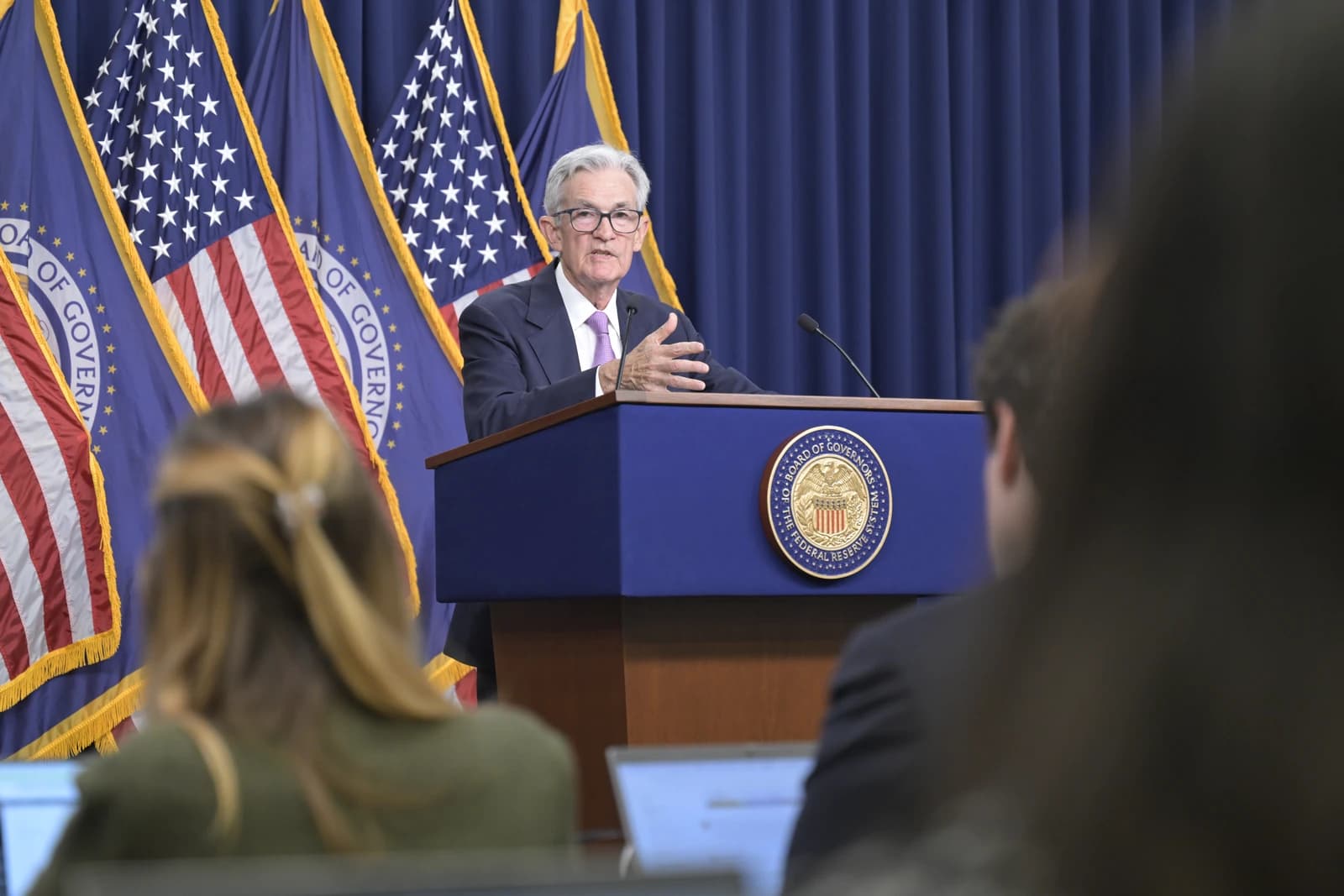
That matters economically because Trump’s leverage has been one of the most tradable assets in U.S. politics. When his agenda looks dominant, it can move markets through tariffs, fiscal policy, regulation, defense, energy and trade. When that power fades, so does the probability of abrupt policy shocks. The new evidence is not subtle. A Los Angeles Times account described Trump as increasingly isolated after a string of setbacks, including muted diplomacy at the United Nations, a Federal Reserve move tied to tariff-driven inflation, and judicial rulings that blocked parts of his agenda. At the same time, discontent is widening inside the Republican Party and among voters who once formed the core of his coalition.
Investors should care because this is not just about Trump’s approval rating. It is about whether the market is overpricing the odds of a second wave of Trump-style policy disruption. Adalytica’s US Presidential Approval Sentiment gauge has fallen to 21, in “Fear,” while the Global Stability Sentiment reading sits at 68 but with awareness near “Extreme Fear,” reflecting a sharp rise in political and geopolitical uncertainty. That combination points to a market still braced for headline risk even as Trump’s personal influence appears to be eroding. In plain English: the shock factor remains, but the follow-through may be weaker.
The economic implications are broader than one man’s standing. If Trump’s ability to command Republicans weakens, so does the odds of sweeping trade aggression, more radical immigration measures and the kind of unilateral foreign policy moves that can lift volatility across currencies, commodities and defense assets. His waning power also changes the calculus for allies and rivals alike. The source material says European, Canadian and Asian partners are increasingly building relationships that assume a less reliable U.S. political center. That is a material shift for capital flows, supply chains and defense procurement, because it encourages countries and companies to hedge away from overdependence on Washington.
At the same time, Trump’s loss of influence could have winners in sectors that thrive on stability rather than disruption. Multinationals with heavy import exposure, industrials that depend on predictable tariffs and consumer companies vulnerable to fuel-cost spikes would all benefit if his policymaking edge dulls. On the other side, investors who have profited from volatility — whether through politically sensitive media bets, energy hedges or defense names tied to escalations abroad — may find fewer easy tailwinds if Trump’s agenda loses force.
DJT itself remains the cleanest expression of this thesis. The stock’s collapse from a 2025 peak near $16.09 to the low-$9 area now tells you that the market is already questioning whether political attention alone can support a durable valuation. Technical indicators reinforce that caution: the shares are trading below the 200-day moving average, while momentum has cooled from earlier overbought levels. That does not make the stock cheap; it makes it fragile.
The bigger investment takeaway is that fading Trump influence may be one of the most underappreciated de-risking forces in markets heading into the next policy cycle. If his coalition keeps splintering and foreign governments keep treating him as a diminishing force, the premium on political chaos should fade too. That would favor quality, stability and firms exposed to a less volatile global order — and it would leave DJT and other Trump-linked trades with one less reason for investors to pay up.
| Entity | Gains | Losses |
|---|---|---|
| Stable multinationals | ▲Predictable policy | ▼Tariff shock premium |
| Importers and consumers | ▲Lower policy volatility | ▼Fuel and trade-cost spikes |
| DJT holders | ▲Short-term headline swings | ▼Eroding political premium |
| Defense/volatility trades | ▲Escalation risk | ▼Reduced Trump-driven premium |