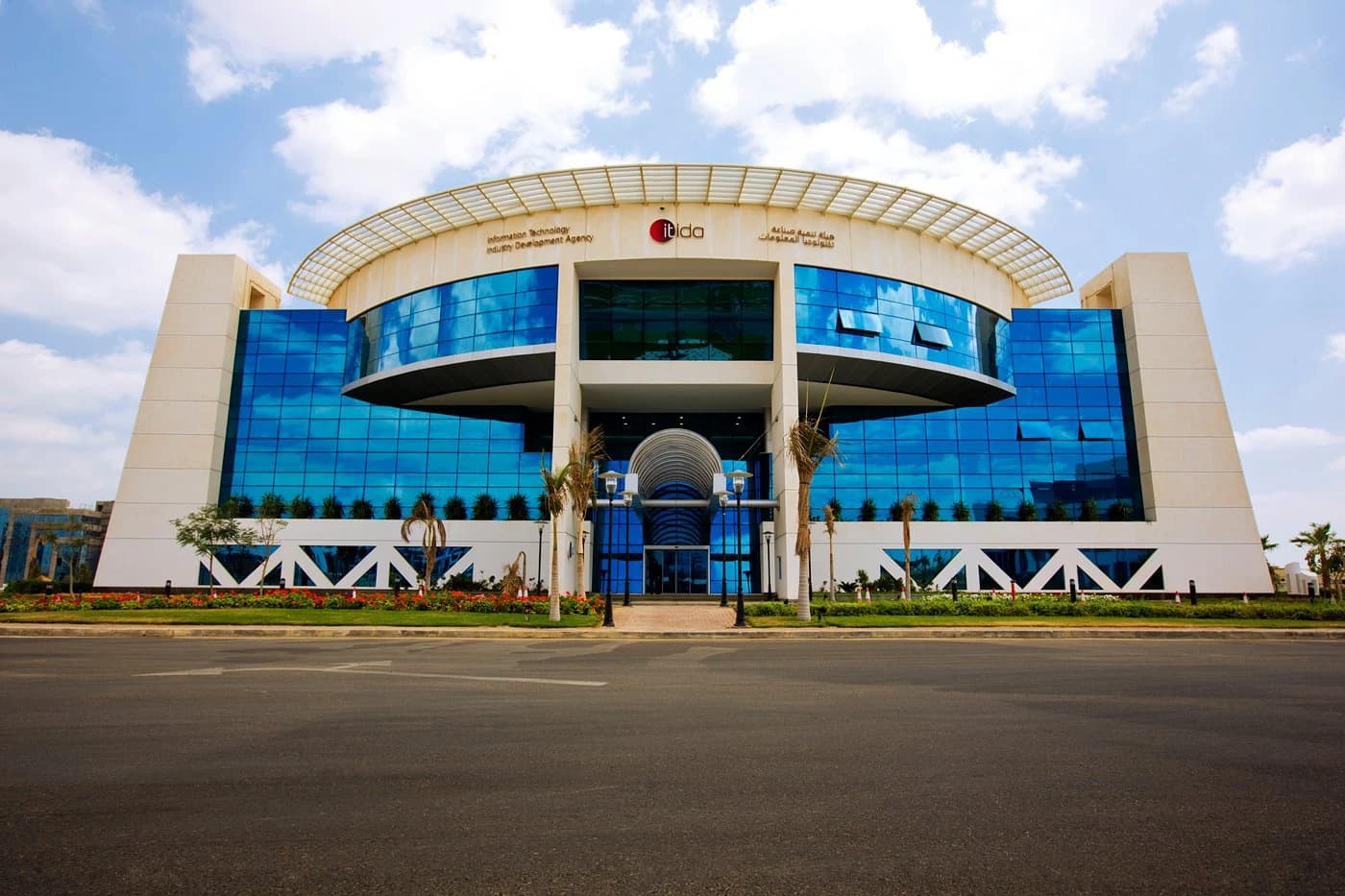
Taiwan Semiconductor Manufacturing Co. has begun gradually restoring operations at its Japan semiconductor facility after a powerful earthquake in Kumamoto Prefecture forced a disruption that rattled a supply chain already strained by geopolitical risk and surging AI demand.
TSMC Japan Plant Restart Eases Supply Shock
The restart matters because TSMC sits at the center of the global chip ecosystem: any outage at one of its overseas plants can ripple through customers in autos, industrial electronics and high-end computing. For investors, the key question is not just lost output in Japan, but whether the disruption deepens shortages or delays shipments at a moment when semiconductor capacity is already being closely watched.
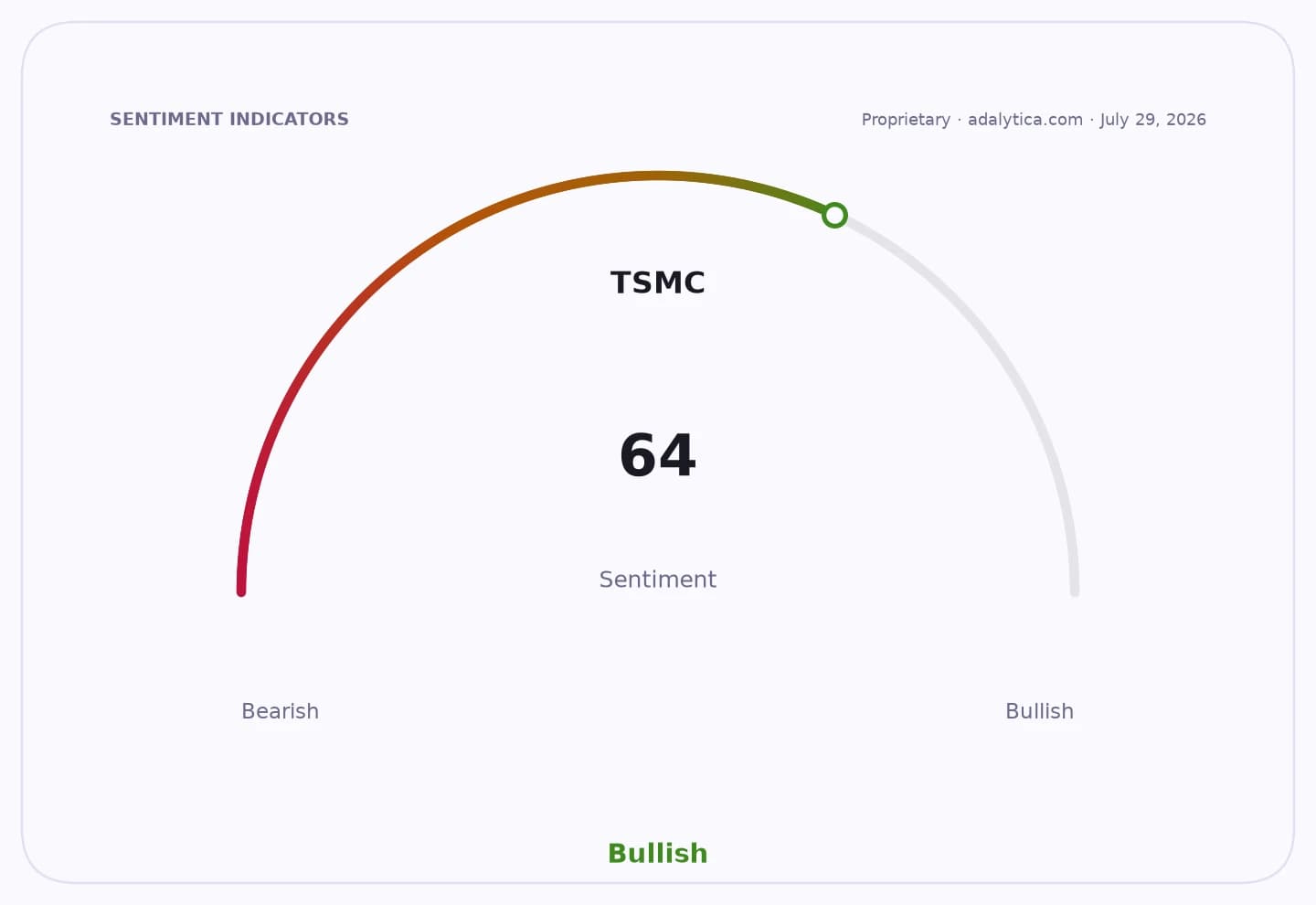
Sentiment IndicatorsⓘProprietary · adalytica.com · July 29, 2026
This is a snapshot — live sentiment, awareness and momentum for 130+ markets update continuously in the dashboard.Open AlphaPulse
TSMC said it is bringing the site back online in stages, a sign the company is trying to balance safety checks with the need to protect deliveries. The news should help reassure customers that the interruption is contained, especially after Asian semiconductor shares came under pressure on concern about the sector’s broader outlook.
TSMC shares were last trading at $392.31, down from $403.41 on July 24, and remain well below the 50-day moving average of $425.20. The stock’s RSI reading of 27.0 points to technically oversold conditions, while the recent drop has pushed it close to the lower Bollinger Band, underscoring how quickly sentiment has cooled after earlier gains.
Still, the broader investment case for TSMC has not broken. The company remains the dominant foundry for advanced chips, and demand tied to artificial intelligence has kept the sector’s long-term growth story intact even as short-term volatility rises from weather events, geopolitics and uneven regional demand.
The shutdown also highlights the fragility of semiconductor manufacturing outside Taiwan, where TSMC is expanding its global footprint to reduce concentration risk and serve customers closer to end markets. Any prolonged outage in Japan would have raised costs for downstream manufacturers and added another layer of uncertainty to already tight production planning.
For now, the gradual restart suggests the immediate supply shock may be limited, but investors will be watching for any sign of slower recovery, customer delays or knock-on effects in the wider chip supply chain. The next catalyst is likely to be updates on the pace of restoration and whether the disruption shows up in TSMC’s monthly revenue or guidance commentary.
| Entity | Gains | Losses |
|---|---|---|
| TSMC customers | ▲Supply risk eases | ▼Near-term production disruption |
| TSMC | ▲Factory back online | ▼Lost output during outage |
| Automakers and industrial buyers | ▲Shipment visibility improves | ▼Higher component uncertainty |
| Semiconductor peers | ▲Containment limits sector damage | ▼Broader sentiment remains fragile |