A potential manufacturing partnership between Taiwan Semiconductor Manufacturing Co. and Elon Musk is running into a basic obstacle: who controls the factory.
TSMC and Musk Discuss Texas Terafab Control
TSMC said it is still in talks with Musk over the proposed “Terafab” project in Texas, but insisted any plant it helps build must remain under its full operational control. That position cuts directly against Musk’s long-standing preference for running his own supply chains and building in-house capabilities across Tesla, SpaceX and his artificial-intelligence businesses.
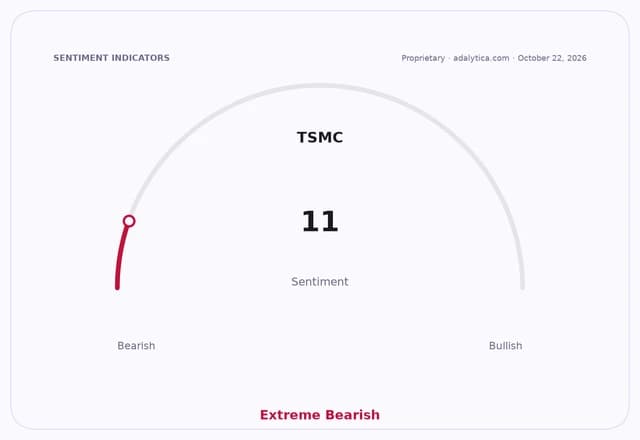
The dispute matters because it goes to the heart of how advanced semiconductor capacity is built and monetized. TSMC’s real edge is not simply its ability to erect clean rooms and install equipment, but its hard-won manufacturing know-how — the process discipline that turns a fab from a producer of chips into a producer of high-yield chips. Industry sources and market analysts often cite that expertise as the reason TSMC can push yields from initial levels of roughly 50% to 60% toward 90% or more, a gap that can make or break economics in the most advanced nodes.
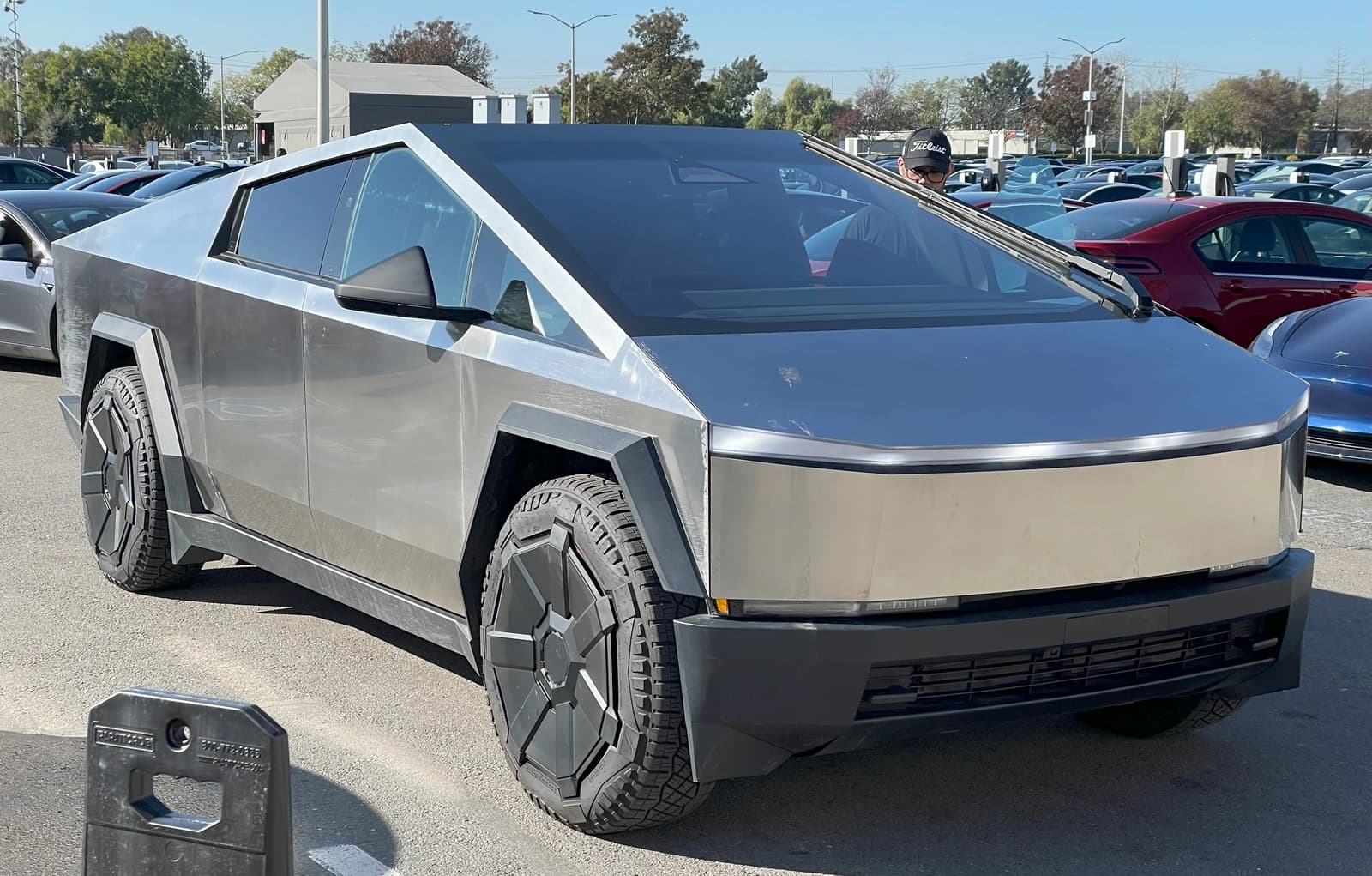
For Musk, the appeal is strategic control. He wants a captive source of next-generation chips for Tesla’s autonomous-driving systems, robotics and AI stack, as well as his space businesses. But TSMC’s model depends on neutrality: it supplies the world’s biggest chip designers, including Nvidia, Apple, AMD and Microsoft, without becoming a technology transfer vehicle for any one customer. Handing over factory management, and with it a deeper layer of production knowledge, would risk undermining that model.
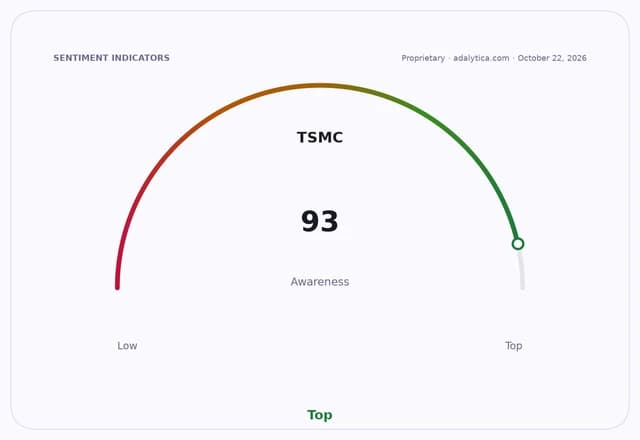
That makes the Texas project less a simple capacity deal than a negotiation over industrial intelligence. Musk has a history of using suppliers as stepping stones toward vertical integration, then bringing operations in-house once the know-how is absorbed. TSMC, by contrast, has spent decades turning operational expertise into a competitive moat and is unlikely to dilute it for a customer, even one with Musk’s scale and capital.
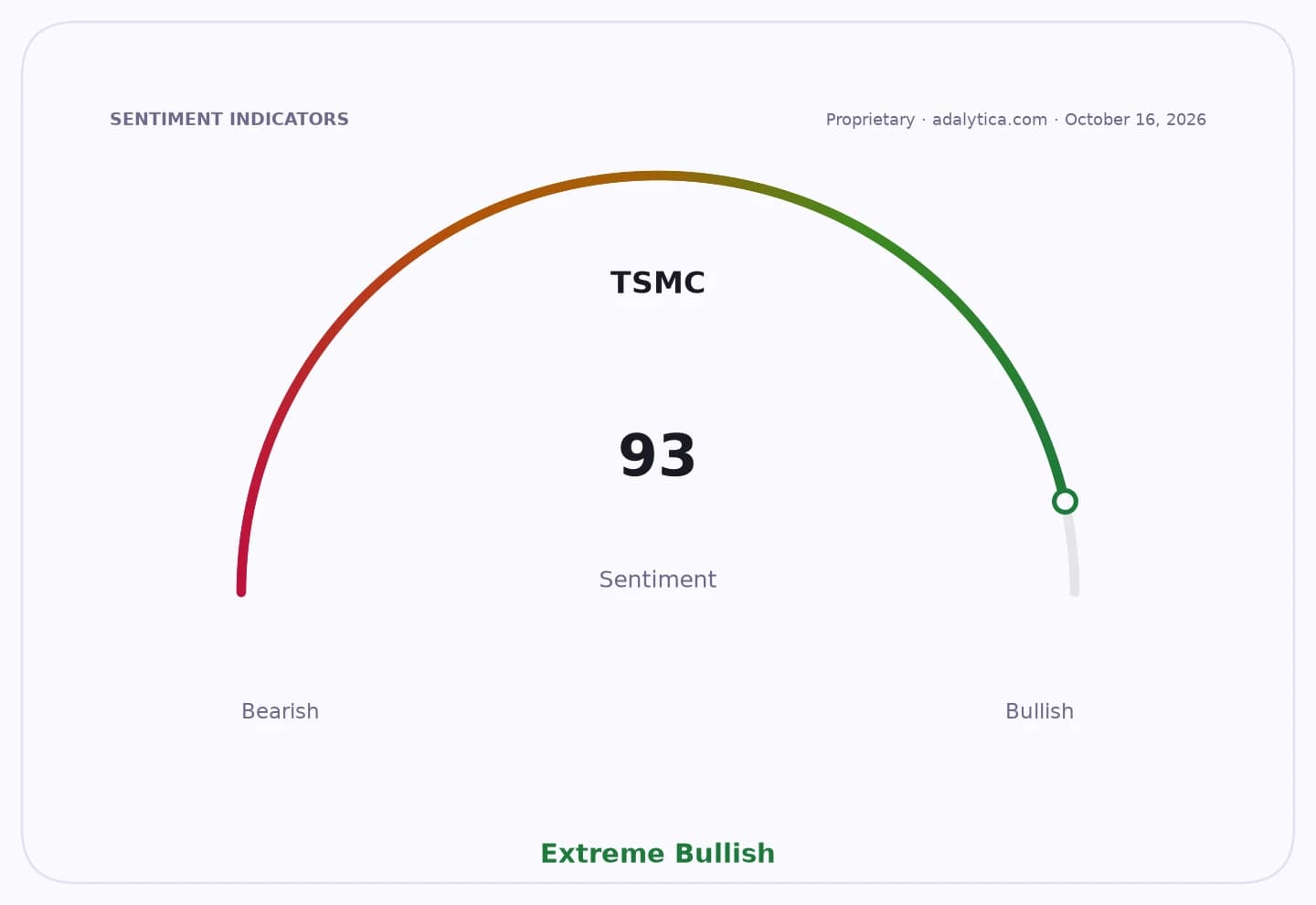
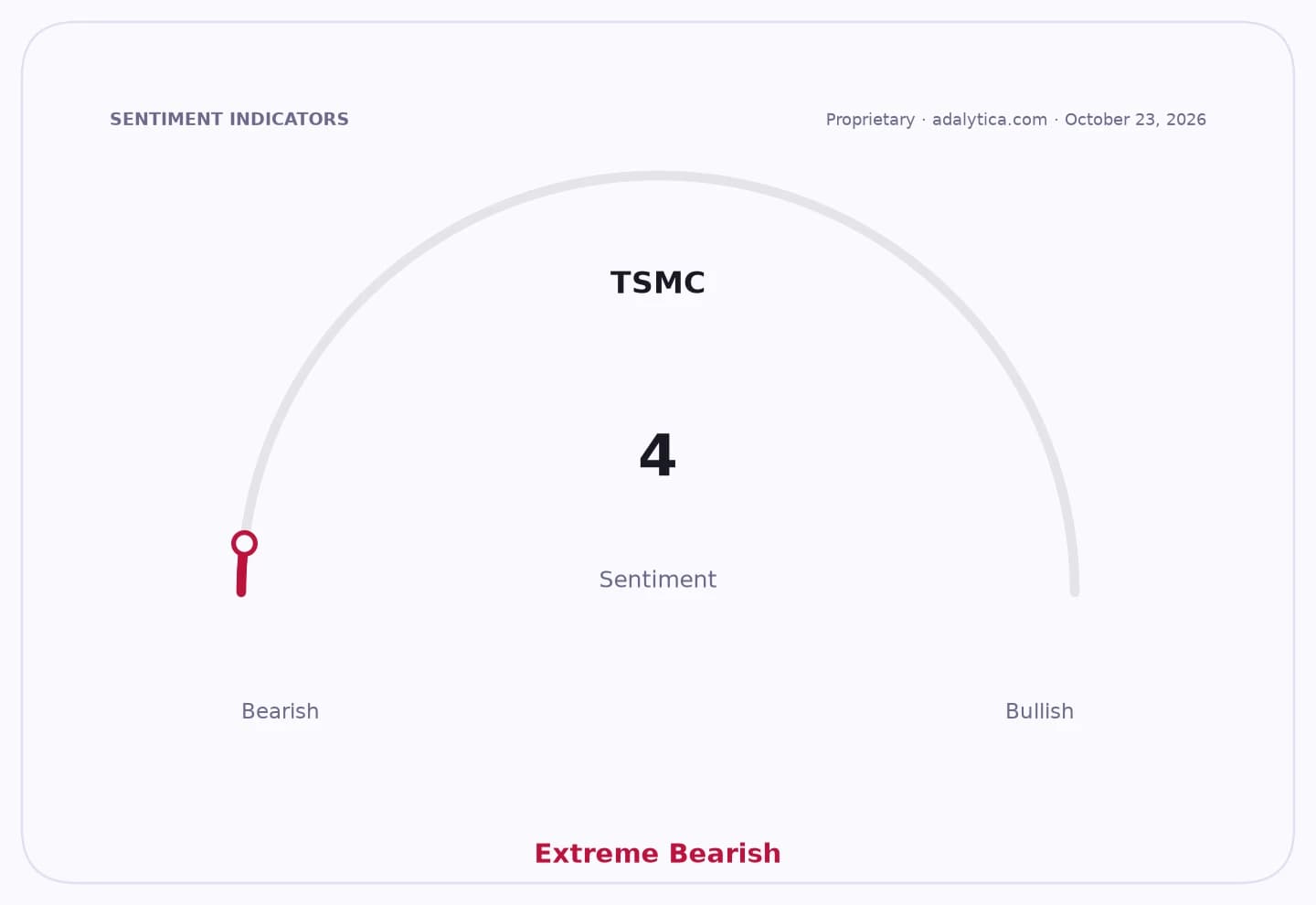
The timing is sensitive. TSMC has been reporting record profits on surging AI-chip demand and remains one of the clearest beneficiaries of the spending boom around data centers, advanced accelerators and autonomous systems. Its shares have also been volatile: after a strong run earlier in the year, the stock has recently traded around $432, below its 50-day moving average of about $434, while RSI readings near 39 point to a market that is neither oversold nor fully healed. Tesla has fared better in the near term, with the stock trading above its 50-day average, but investors still face a broader question about how much of Musk’s chip strategy can be executed without compromising economics or execution.
For investors, the dispute is a reminder that the bottleneck in the AI supply chain is not only capital, but governance. A Musk-TSMC alliance would have promised a powerful combination: TSMC’s manufacturing discipline and Musk’s demand pull. But if the partnership cannot resolve control, the risk is a slower timeline, a narrower scope or a fallback structure that leaves Tesla still dependent on outside suppliers for advanced chips. That would be a drawback for Musk’s push to own more of the value chain, but it would preserve TSMC’s core advantage — and keep the company’s factory management model intact.
What happens next will determine whether Terafab becomes a landmark industrial partnership or another example of Musk’s ambition colliding with the realities of semiconductor manufacturing. If TSMC refuses to compromise on operations, the project may still proceed, but on terms that favor the chipmaker’s control and preserve its neutrality.
| Entity | Gains | Losses |
|---|---|---|
| TSMC | ▲protects operating control | ▼cedes no know-how |
| Elon Musk / Tesla | ▲potential chip access | ▼slower vertical integration |
| Nvidia, Apple, AMD, Microsoft | ▲TSMC neutrality preserved | ▼none if deal stalls |
| Texas fab project | ▲lower transfer risk | ▼delayed partnership structure |